
Last updated November 25, 2026
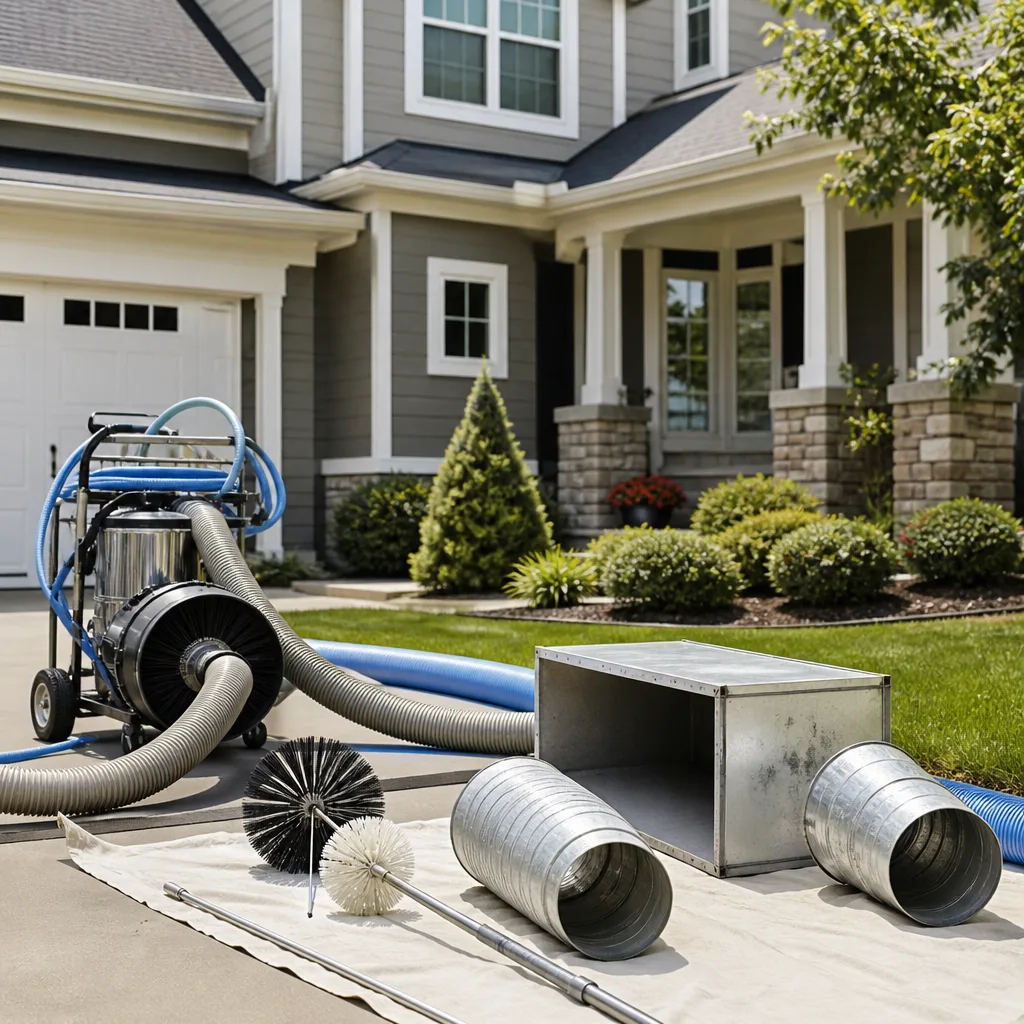 Whole-home duct cleaning
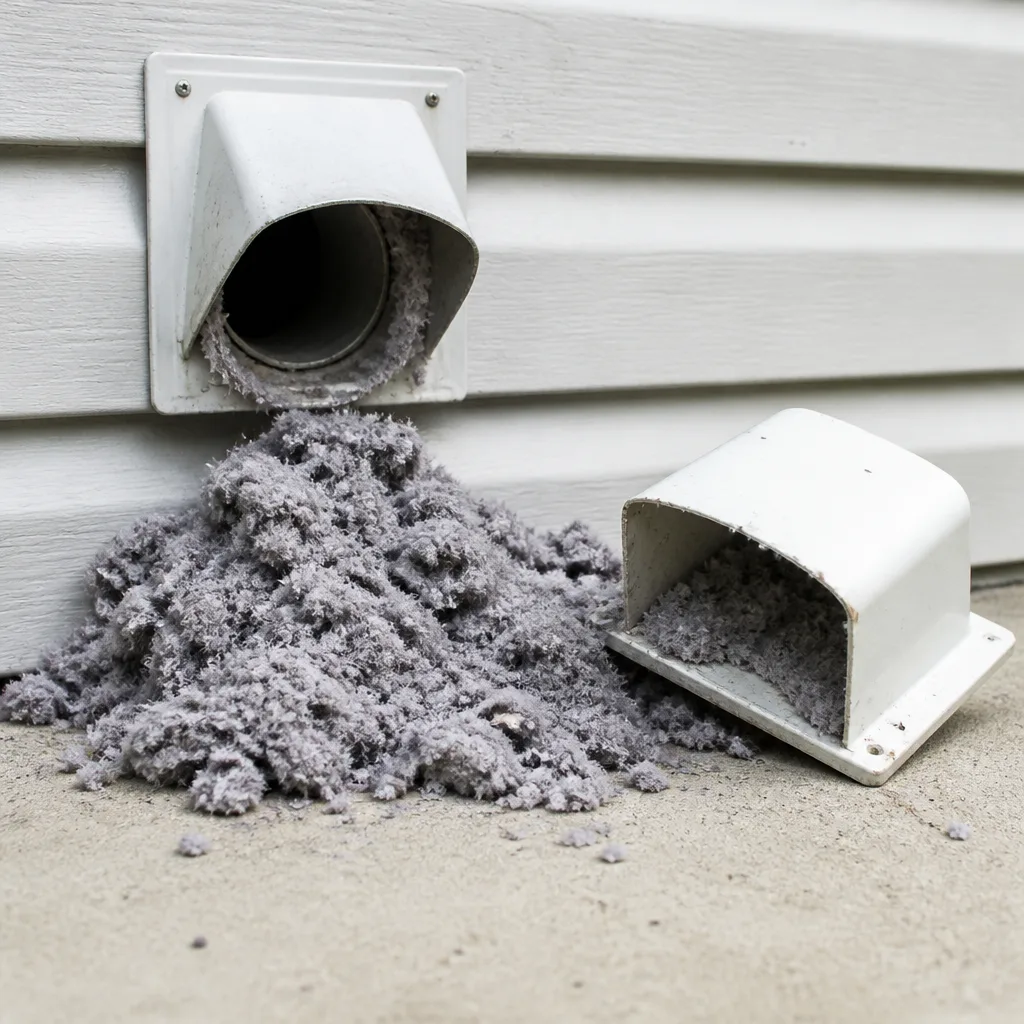 Dryer vent cleaning
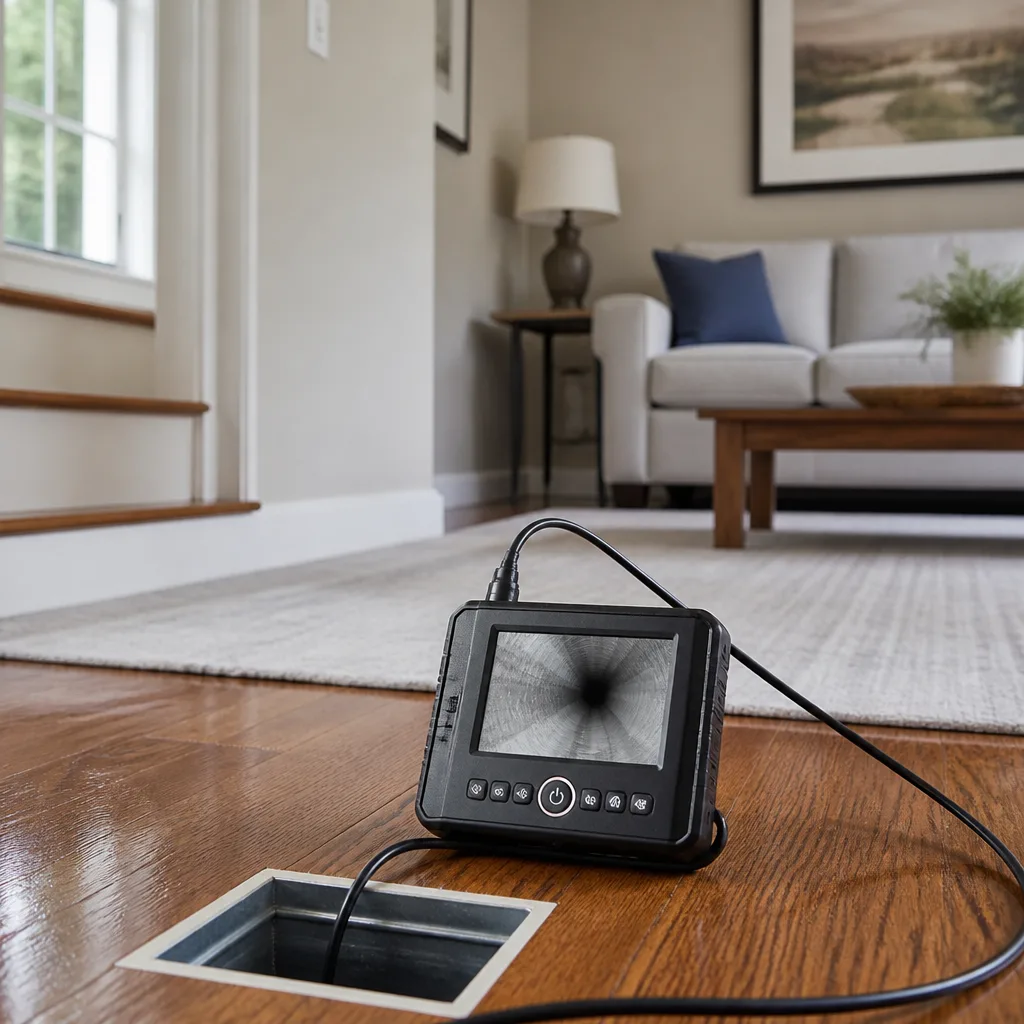 Camera inspection
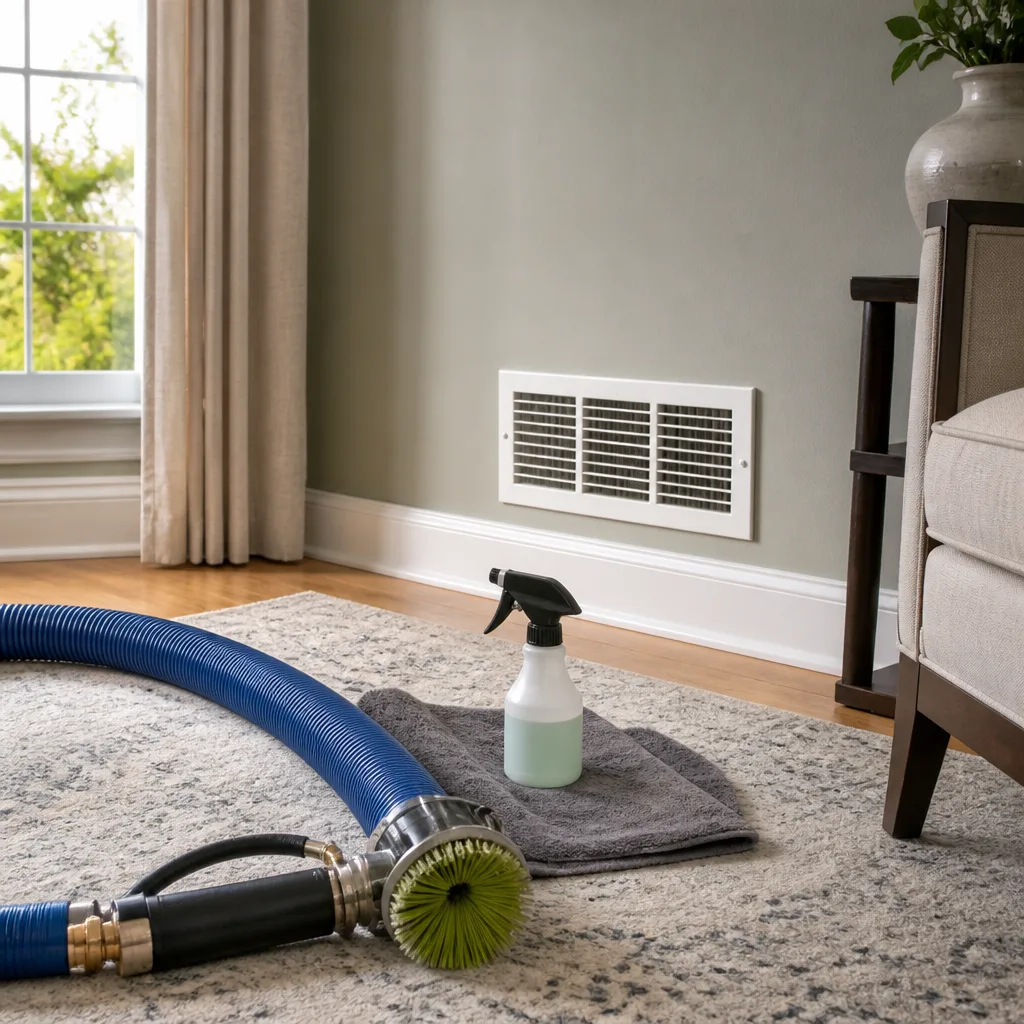 Sanitizing & deodorizing
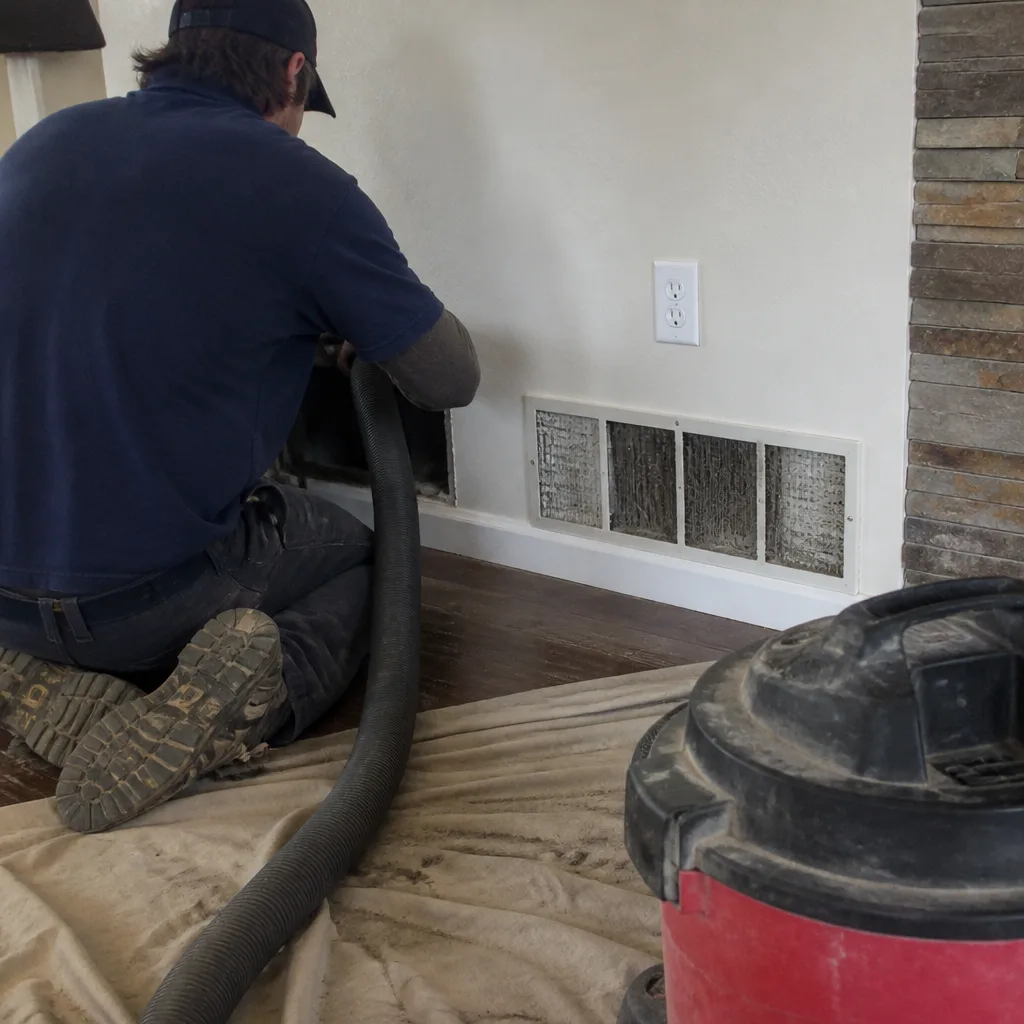
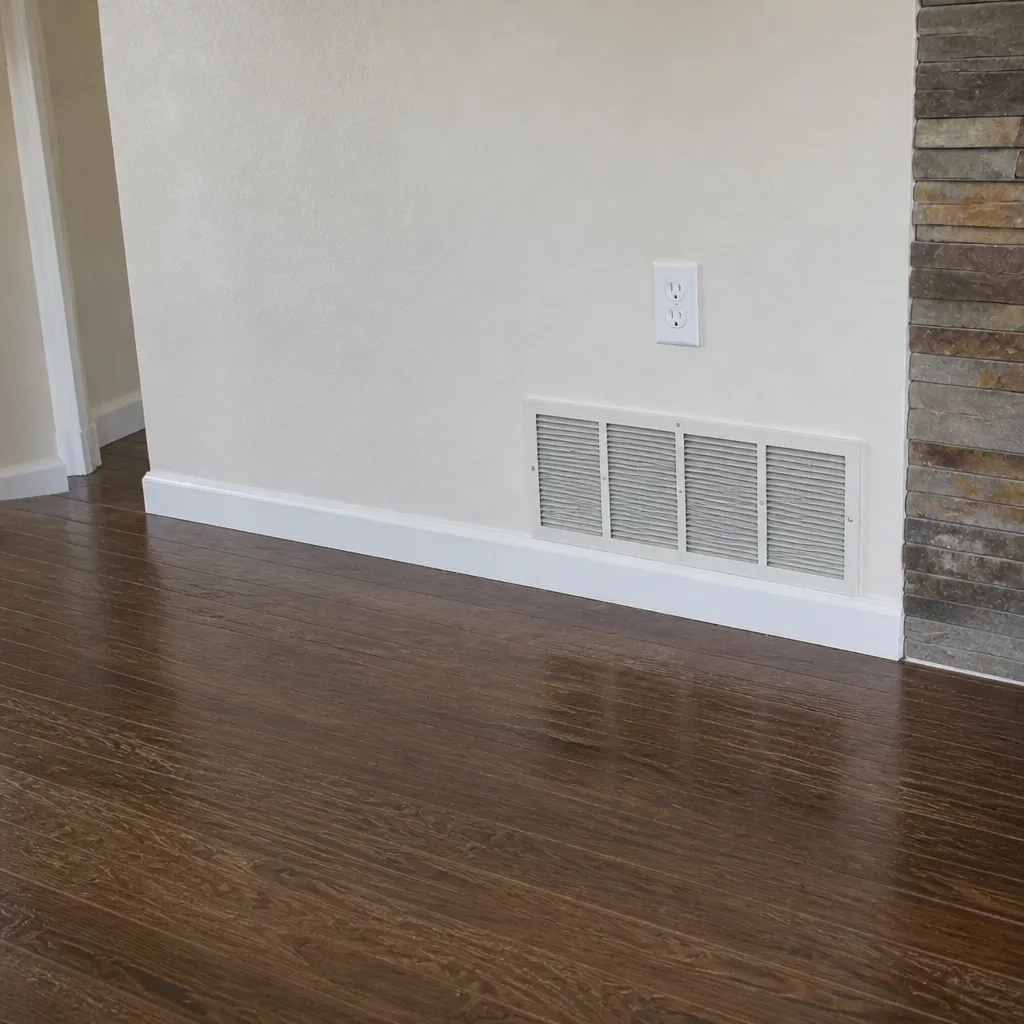
Whole-system duct and dryer vent check with before-and-after photos - you see exactly what came out of your vents
That "$99 whole-house special" is a bait ad - the real number appears once they are in your hallway, or the "clean" is a shop-vac at the register. We photograph the inside of your ducts before and after instead.
The Complete Guide to Air Duct Cleaning in Central Park
Most people think of their ductwork as a set of separate tubes, each one carrying air from the furnace to a room and back. That picture is wrong, and the misunderstanding matters. Your ducts are one connected network with a shared plenum and a single air handler pushing through all of it, so debris that settles in one stretch gets pulled back into the air your family breathes from every register in the house. Central Park’s high elevation and dry air only sharpen the problem: fine particulate stays airborne longer here and recirculates more aggressively than it does at lower altitudes. This guide maps the whole system and explains what professional equipment actually does at each stage.
Quick Answer
Air duct cleaning in Central Park means using professional negative-pressure equipment to remove accumulated dust, drywall debris, and biological growth from every zone of your system, then sealing and sanitizing so it stays clean. A proper job covers the supply trunks, return drops, plenum, and air handler, not just the registers. Because Central Park’s semi-arid, high-altitude climate keeps fine dust airborne longer, homes here tend to need full-system cleaning more often than the national “every three to five years” rule suggests.
Styles & brands we work with
- Whole-home duct cleaning
- Dryer vent cleaning
- Camera inspection
- Sanitizing & deodorizing
Table of Contents
- Why Central Park’s Climate Changes Everything
- The Anatomy of Your Duct System
- Cleaning Each Zone: What Actually Happens
- What Professional Equipment Does That a Shop Vac Can’t
- New Construction and Drywall Dust
- Visual Inspection vs. Real Air Quality Results
- Duct Sealing: Fixing What Cleaning Leaves Behind
- How to Choose a Duct Cleaner in Central Park
Why Central Park’s Climate Changes Everything
Air behaves differently at 5,000-plus feet, and that changes how dust moves through a Central Park home. At higher elevation, air pressure is lower and the atmosphere holds less moisture. Fine particulate – drywall powder, skin cells, pet dander, dust mite fragments – stays suspended in the air column longer because the same turbulence that would knock it out of the air at sea level is less effective here. Gravity still works, but the settling rate is slower. What that means in practice: more of the dust circulates through your ducts again and again before it ever drops onto a surface where a vacuum can reach it.
Central Park’s semi-arid climate compounds this. Low indoor humidity (common in winter, especially with a gas furnace running) dries out the dust and keeps it powdery and airborne. At lower elevations, that same dust might settle into furniture and floors in a day or two; in Central Park, it can hang for hours. Every one of those hours is an hour it travels through your return duct, past your filter, and back out a supply register.
The practical downstream effect for homeowners in Central Park:
- Dust accumulates faster on top of supply grilles and return registers than on floors
- Filters load up quicker and need replacing more often than the packaging suggests
- Drywall dust from nearby construction travels farther through a house before settling
- Allergen counts indoors can run higher than the outdoor count on a calm day
- The old “clean every three to five years” rule often doesn’t hold up here
The EPA estimates indoor air can be two to five times more polluted than outdoor air. In a place where particulate stays airborne longer, the upper end of that range is where many Central Park homes land before a full-system cleaning.
The Anatomy of Your Duct System
A forced-air system in a Central Park home has four parts, and contamination looks different in each one. Understanding this is the difference between a cleaning that solves the problem and one that just moves dust around.
1. The Return Ducts
Every room has an intake – a return register – that pulls air back to the furnace. Return ducts are typically larger and slower-moving than supply ducts, so dust settles here first. Pet hair, carpet fibers, and lint congregate in the returns more than anywhere else in the system. If you only clean the supply side, everything you pull out is immediately exposed to the returns again.
2. The Supply Trunks
Supply ducts run at higher pressure. They drive air toward the rooms, which means any dust inside them gets blown out with it. Supply runs are where visible black streaks on register faces come from. Fine particles passing at speed coat the metal walls and grille slats.
3. The Plenum
The plenum is the large box that sits directly above or below the furnace, where the main supply trunk connects. It’s the highest-dust zone in the system. Every cubic foot of air the system moves passes through this one box, so the dust loading here is often the heaviest. It’s also where condensation and temperature changes can encourage biological growth.
4. The Air Handler
The air handler houses the blower fan and evaporator coil. When the coil collects dust, airflow drops, the system runs longer, and efficiency falls. A duct cleaning that stops before the air handler misses the piece of the system that most affects your energy bill. That’s why we also offer HVAC cleaning as a natural follow-on to duct work.
These four zones are connected to a single blower. Whatever you don’t clean gets pulled through the parts you did.
Cleaning Each Zone: What Actually Happens
A proper full-system cleaning addresses each zone differently. Here’s the sequence we follow, and why each step exists.
- Inspection and setup. We start with a camera and visual inspection of the main trunk and branches, then seal off the system with the air handler off. Abatement Technologies air filtration equipment is set up inside the work area to capture airborne debris as it’s pulled loose, so it doesn’t cross-contaminate the occupied rooms.
- Negative-pressure evacuation of the trunks. Rotobrush and Nikro brushes and forced-air tools run through the main supply and return trunks while a high-capacity vacuum maintains negative pressure. Negative pressure means the system is pulling inward, so nothing escapes out of a register into the room. This is the step that shop-vac operators physically cannot replicate.
- Branch and register cleaning. Each individual branch is cleaned back to the trunk, and each register and grille is removed, cleaned, and reinstalled. Grille depth and back-face cleaning are the parts most handyman crews skip.
- Plenum and air handler. The plenum box is brush-cleaned and vacuumed, and the blower wheel, cabinet interior, and visible coil surfaces are cleaned.
- Contact vacuuming and final inspection. Everything reachable is HEPA-vacuumed to remove the loosened layer. A final camera pass confirms the run is clear before reassembly.
- Sanitizing (when needed). If the inspection found biological growth or odor, an antimicrobial treatment is applied with Guardsman-grade sanitizing products. This is a separate service from routine cleaning and not part of every job.
Two other system components deserve mention here because they don’t live inside the ductwork but affect it: the clothes dryer vent, which we clean as its own service (more on that below), and the HVAC coil, which sits downstream of the return and loads up with the same debris. If you’re scheduling an air duct cleaning in a Central Park home with a system over a decade old, ask whether the plenum and air handler are on the plan. If the answer is “we clean the vents,” that’s the wrong plan.
What Professional Equipment Does That a Shop Vac Can’t
The difference between a professional duct cleaning and a handyman with a shop vac comes down to one number: air velocity. Professional duct cleaning equipment is built to move large, controlled volumes of air through a closed system, then capture that air at the other end. A shop vac can’t because it was never designed to be the terminal end of a duct run. It was designed to pick up a few ounces of debris from a floor.
What Rotobrush and Nikro are built to do
- Rotobrush: uses a rotating brush head on a flexible rod driven through ducts, agitating the wall surface while a separate vacuum captures what’s freed. The rotation matters because dust bonds to galvanized metal over time and simple suction skips the bonded layer.
- Nikro: forced-air and mechanical cleaning tools used with high-capacity HEPA vacuums, including air whips and skipper balls designed to reach the far end of a branch. It creates the turbulence that shakes loose the dust that a brush might not reach.
- Abatement Technologies: negative-pressure HEPA filtration units that hold the entire work zone at lower pressure than the living space so debris moves toward the machine, not toward you. This is the equipment that prevents the “we cleaned the ducts and now the whole house is dusty” outcome.
What a shop vac rig physically cannot do
A shop vac (and even a high-end 6-gallon model) pulls roughly 100-200 cubic feet per minute at the hose, and it does so at low static pressure. A duct trunk carrying a 3-ton system handles 1,200-plus CFM. You cannot evacuate the system through a shop vac hose; the vacuum gives out long before it reaches the end of a 20-foot run. Worse, without negative pressure on the whole system, dust loosened in the trunk goes right out of the most open register – usually into the kitchen or living room. Professional equipment solves that by treating the whole house as one closed vessel.
This is why our recommendation is likely to differ from what you’ll hear from cheaper operators in Central Park: equipment choice is the whole product. You’re not paying for the hours, you’re paying for the machines and the method.
New Construction and Drywall Dust
Central Park’s growth means a lot of recently built and recently renovated homes, and those homes have a specific duct problem that older homes don’t. During construction, sheetrock cutting, sanding, and texture work throw a fine gypsum powder into the air. Construction crews often leave the HVAC system running to help dry the building. That means the dust goes straight into the ducts – into the returns, into the plenum, and often into the evaporator coil – before anyone moves in.
A home sealed up and handed over with drywall dust already in the system has a predictable pattern:
- Dust burps out of every supply register the first time the heat comes on
- Fine gray powder shows up on cabinets and window sills within weeks
- Filters clog so fast that the furnace short-cycles
- Some homeowners notice a chalky smell from the return grille
- Symptoms resolve only after a full-system cleaning, never after vacuuming the registers
New construction also introduces something else: duct runs designed and installed quickly with more sealed mastic joints than older homes, but also more flex duct that can sag and trap dust in low points. A pre-move-in cleaning, or one in the first year of occupancy, catches this before you’ve been breathing it. For a recently built home in Central Park, that first cleaning is less maintenance and more remediation. If you’ve just taken possession of a new build, we recommend scheduling before furniture goes in – easier to protect a mostly empty house.
Visual Inspection vs. Real Air Quality Results
This is the piece most homeowners in Central Park never hear, and it’s the reason they sometimes feel a cleaning “didn’t work.” A technician can open your register and show you a clean duct run – and that’s a true statement – while the air in the house still carries elevated particulate. Visual inspection tells you what’s on the metal. It does not tell you what your family is breathing. Those are two separate measurements.
What each result actually tells you
- Visual inspection (before/after photos): confirms debris was removed from the duct walls you can see.
- Airflow measurement: confirms the system’s static pressure dropped after cleaning, meaning less resistance to air movement.
- Particulate readings: confirm airborne particle count in the living space, which can include sources outside the ducts (cooking, candles, pets, outdoor air).
- Filter loading rate: a filter that lasts longer after cleaning suggests the ducts aren’t re-seeding the house with debris.
A proper job should hand you at least a before and after photo set, register by register. Ask for them at the start. We take them on every job – the customer should be able to see the difference, not just hear about it. If a crew can’t show you photos of your own ducts before and after, the work hasn’t been verified. And “we cleaned the vents” without an airflow check doesn’t tell you the system actually improved.
For homeowners in Central Park who want more than a before/after photo, we can review airflow and filter loading with you and recommend whether duct sealing – below – is a better answer than another cleaning cycle.
Duct Sealing: Fixing What Cleaning Leaves Behind
Cleaning removes the contamination that’s already there. It does nothing about the leaks that let it back in. In our experience, this is the piece that turns a one-time cleaning into ongoing maintenance – not because the cleaning was poor, but because a leaky duct system keeps pulling in new dust, unconditioned attic or crawlspace air, and outdoor particulate every time the blower runs.
The typical signs a Central Park system needs sealing alongside the cleaning:
- Rooms that never feel as warm or cool as the rest of the house
- Visible gaps at the plenum, where the trunk connects to the air handler
- Dust collecting on the supply register faces within a month of cleaning
- Utility costs that climb without a change in usage
- Flex duct with visible kinks, sags, or unsealed joints in an attic or crawl
Duct Repair & Sealing addresses the root cause: we locate the leaks, seal the joints with mastic and foil tape (not duct tape, which fails in a hot attic), and re-test airflow when we’re done. When a repair and a cleaning are done together, the cleaning holds up far longer. When duct sealing is skipped, dust re-enters at the same rate as before.
We pair sealing with air quality upgrades where they make sense. Honeywell filtration systems capture finer particulate at the return, and Aprilaire humidifiers and air purifiers give a semi-arid home like a Central Park one a chance to control both the dust load and the moisture level that keeps it airborne. These are optional and priced separately from the cleaning, but they’re worth discussing if the duct work reveals chronic contamination.
How to Choose a Duct Cleaner in Central Park
The duct cleaning industry has a reputation problem, and it starts with bait-and-switch pricing. A “special” that turns into a much larger invoice once the technician is on site is common enough that many homeowners in Central Park assume that’s just how the business works. It isn’t, and you should insist on the following before booking anyone.
The checklist to run before you book
- One flat price per system. You should know the total before the work begins, not a per-vent price times the number of registers you have. Ask for it in writing, and ask what “per system” covers: trunks, returns, plenum, air handler, or some subset.
- Photos before and after. Ask directly: “Will you show me photos of my ducts before and after?” If the answer is hedged, book someone else.
- The equipment list. Ask specifically what negative-pressure equipment is used, and whether the work area is held at negative pressure during cleaning. Vague answers about “industry standard” aren’t enough.
- Who’s actually doing the work. Air Duct Cleaning Central Park connects you to a vetted, independent local professional – licensed and insured as their state requires. Ask who is arriving at your door and whether they’re insured.
- Scope in writing. The estimate should say what’s included and what’s not. Sanitizing, sealing, and air quality upgrades are usually separate line items and should be quoted that way.
- What happens if the inspection finds something. A leak, mold, or a crushed flex run shouldn’t automatically add a big charge. It should generate a clear recommendation you can approve or decline.
A good crew will show you the before-and-after, and a good estimate will be honest about what the cleaning can’t fix. Call (833) 509-5525 for a free estimate – we’ll quote the whole system as one flat price, not per vent.
Duct Cleaning and Your Dryer Vent: Two Separate Jobs
The dryer vent isn’t part of the forced-air system, but the two often get scheduled together and are easy to confuse. The dryer vent carries hot, lint-heavy air from the dryer to the outside. It’s a single duct, not a network, and it doesn’t share air with your HVAC. That’s why a lot of “duct cleaning” services skip it entirely – and why we treat dryer vent cleaning as its own job.
Lint accumulation inside a dryer vent reduces airflow, extends dry times, and creates a genuine fire hazard – it’s one of the more commonly cited causes of residential fires. In Central Park’s dry climate, lint also dries out and becomes more combustible between cleaning intervals, which is a reason to stay on the recommended schedule rather than stretch it. Dryer vents need attention roughly once a year for most households, more often if you have a large family or a long vent run. This is separate from duct work and priced separately.
See the difference
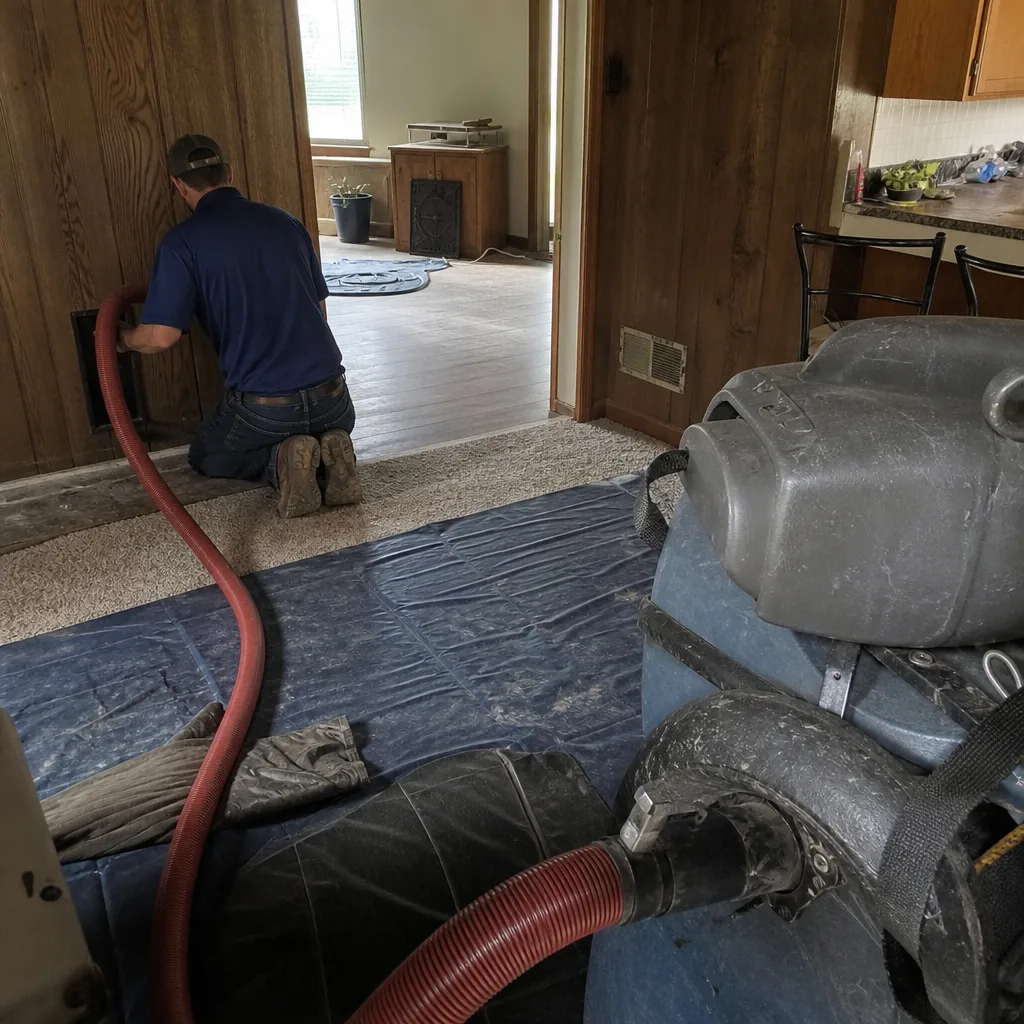 Before
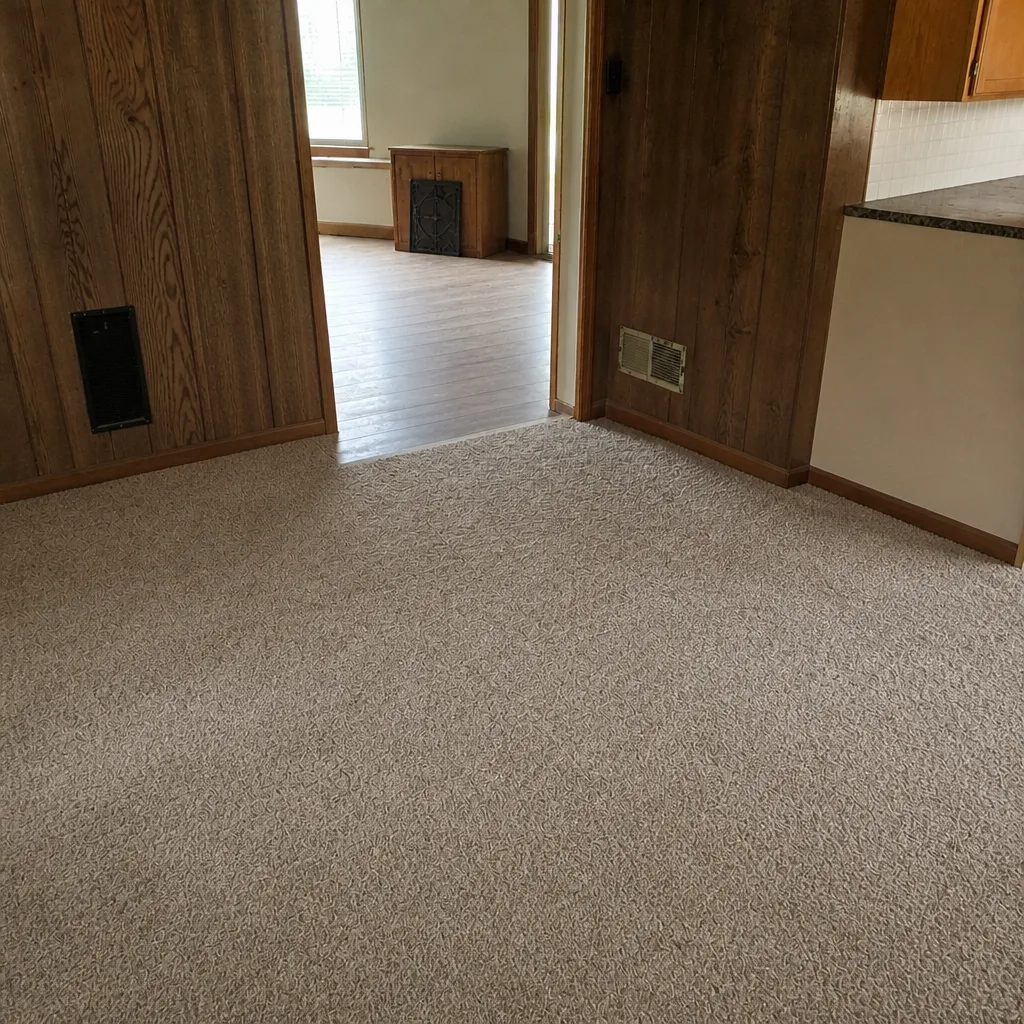 After
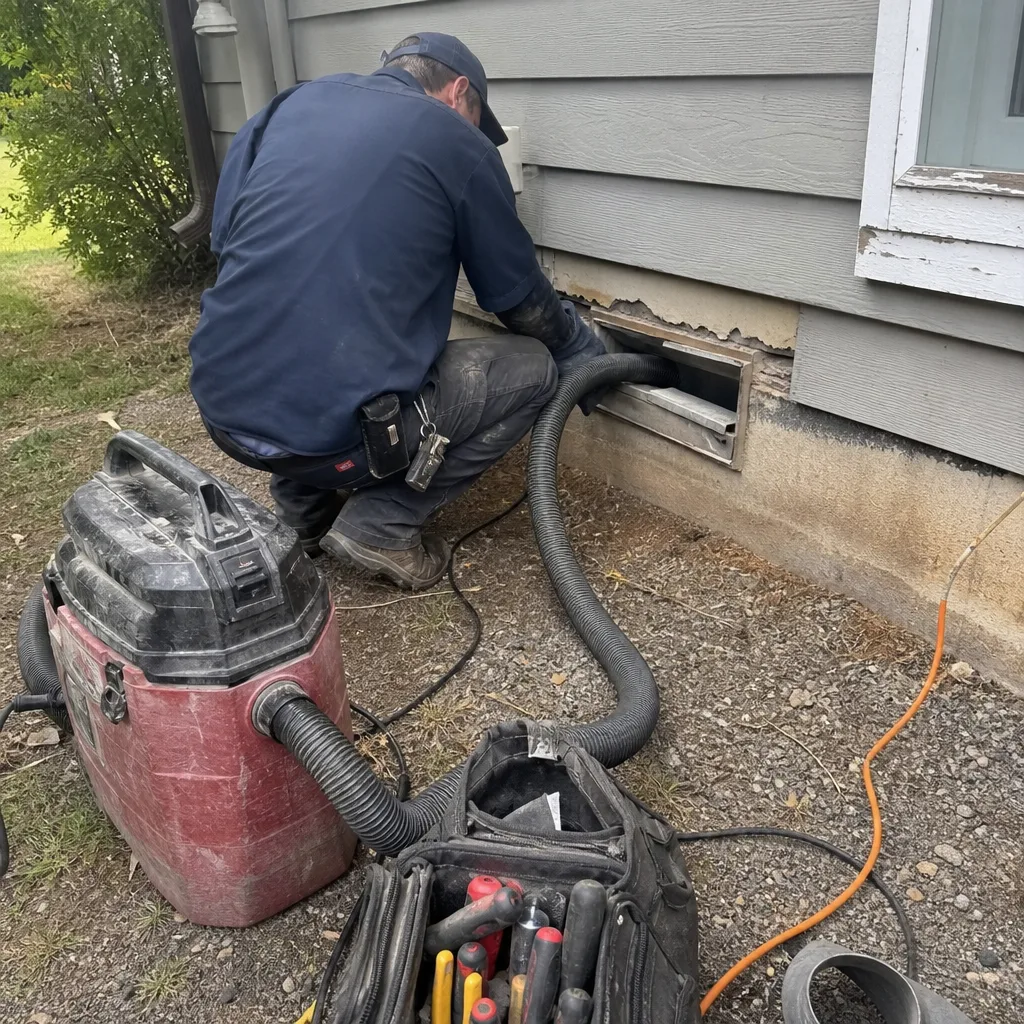 Before
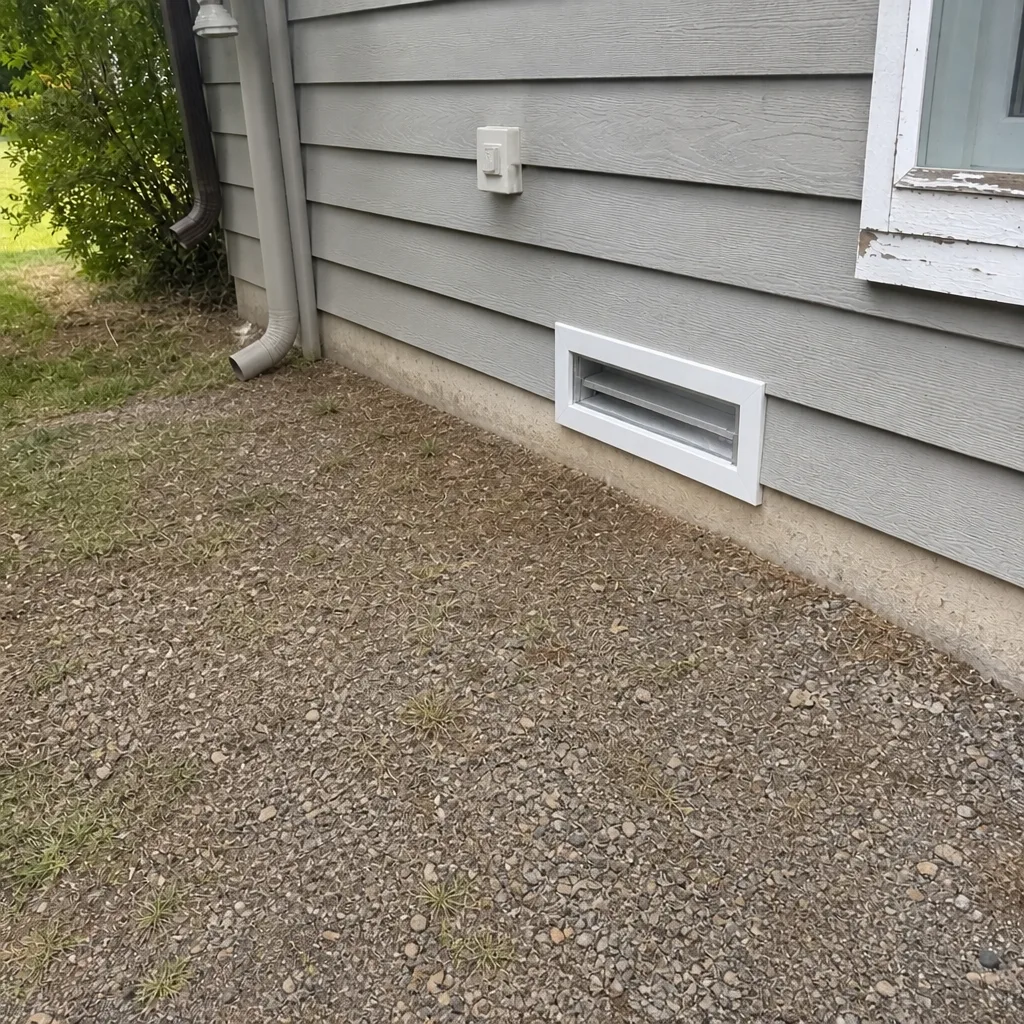 After
 Before
 After
Common Mistakes to Avoid
- Cleaning only the supply registers. The returns and plenum hold the bulk of the debris. Cleaning supply-only leaves the biggest source untouched and re-dusts the house immediately. Insist on full-system scope, including the air handler.
- Believing a per-vent price is a total price. A $X-per-register figure sounds cheap until you count 20 vents and add the plenum, air handler, and sanitizing. Ask for one flat price per system, in writing, before work starts.
- Letting a shop-vac crew in the door. Without negative-pressure filtration – Abatement or equivalent – they’ll loosen dust that goes airborne into your house. In a Central Park home, where fine particulate already lingers, that’s a problem that takes days to settle.
- Skipping the before-and-after photos. If you can’t see your ducts before and after, you have no way to verify the work was done. Ask for the photos in advance of the appointment.
- Assuming new construction ducts are clean. Drywall dust, texture overspray, and construction debris are common in newer Central Park homes. Schedule the first cleaning before you move in.
- Skipping duct sealing after cleaning. A cleaned but leaky system re-contaminates quickly. If the crew finds leaks, get a written sealing quote in the same visit.
- Stretching the interval because the air “looks fine.” In a semi-arid, high-elevation home, dust stays airborne and invisible. Keep an eye on filter loading and register residue rather than waiting for a visible sign.
When to Call a Professional
Not every home needs cleaning on a set schedule, but several situations call for a professional inspection in Central Park regardless of the calendar. Call us when:
- You see visible dust or debris inside a supply or return register
- A filter is loading up in a few weeks rather than a few months
- You’ve just bought or moved into a recently built Central Park home
- You’ve finished a renovation with drywall, sanding, or texture work
- Someone in the house has allergies, asthma, or a chronic cough
- You notice a persistent musty or chalky smell when the heat or AC turns on
- Your ductwork is visibly damaged, sagging, or has unsealed joints
Air Duct Cleaning Central Park offers free estimates in Central Park – call (833) 509-5525. We answer 24/7. A call outside dispatch hours is booked into the next opening, Sunday through Friday, 7am to 7pm.
Frequently Asked Questions
Air duct cleaning in Central Park is priced per system, not per vent, because a full-system job includes the supply trunks, return drops, plenum, and air handler as one connected job. A written estimate sets the final price, and estimates are free. Call (833) 509-5525 for an exact quote – estimates are free.
Most Central Park homes benefit from full-system cleaning every two to three years, not the usual three to five, because the high-altitude, semi-arid climate keeps fine particulate airborne longer and drives it through the system more often. Homes with pets, recent renovations, or allergy concerns may need it sooner. Watch filter loading rate and register residue – both tell you more than the calendar. Call us if either looks off.
Cheap quotes usually clean the visible registers and stop there, use shop vacs rather than negative-pressure equipment, and add charges once they’re on site. A real full-system cleaning involves equipment and scope that a low flat rate can’t cover. Call (833) 509-5525 for a written, flat-price estimate before you book.
Ask for before-and-after photos of your own ducts, register by register, and for the equipment list used on the job. If a crew can’t produce photos of your system, the work hasn’t been verified. We take photos on every job, and we’ll walk you through the result. Call for details.
Yes, when it’s done with proper containment. The Abatement Technologies filtration and negative-pressure setup is designed to keep debris inside the work zone, not circulating through the house. Keep kids and pets out of the immediate work area during the job, then let the system run normally afterward. Call if you have questions about your specific home.
Cleaning removes the contamination that’s already inside the ducts. Sealing closes the leaks that let new dust in and let conditioned air out. A cleaned but leaky system re-contaminates quickly, so sealing is often the more durable fix. We offer both as one visit. Call (833) 509-5525 for a free estimate.
The Bottom Line
Your duct system is one connected network, and it has to be cleaned – and kept clean – as one network. In Central Park, high elevation and dry air keep fine dust airborne longer, so contamination recirculates more aggressively and shows up faster than it does at lower altitudes. That means full-system scope (supply, return, plenum, air handler), real negative-pressure equipment like Rotobrush and Abatement filtration, before-and-after photos you can see, and a written flat price agreed before work starts. Add duct sealing when the inspection finds leaks, and you’ll get more than a clean system – you’ll get one that stays clean. We connect you with a vetted local professional who’s licensed and insured as their state requires, and our technicians have up to 15 years of experience.
Ready to get the air in your Central Park home cleaned properly? Call (833) 509-5525 for a free estimate. We answer 24/7. Fast dispatch from 7am to 7pm, Sunday through Friday. Or start with the Air Duct Cleaning Central Park overview and we’ll take it from there.
Written by the team at Air Duct Cleaning Central Park.