
Last updated November 25, 2026
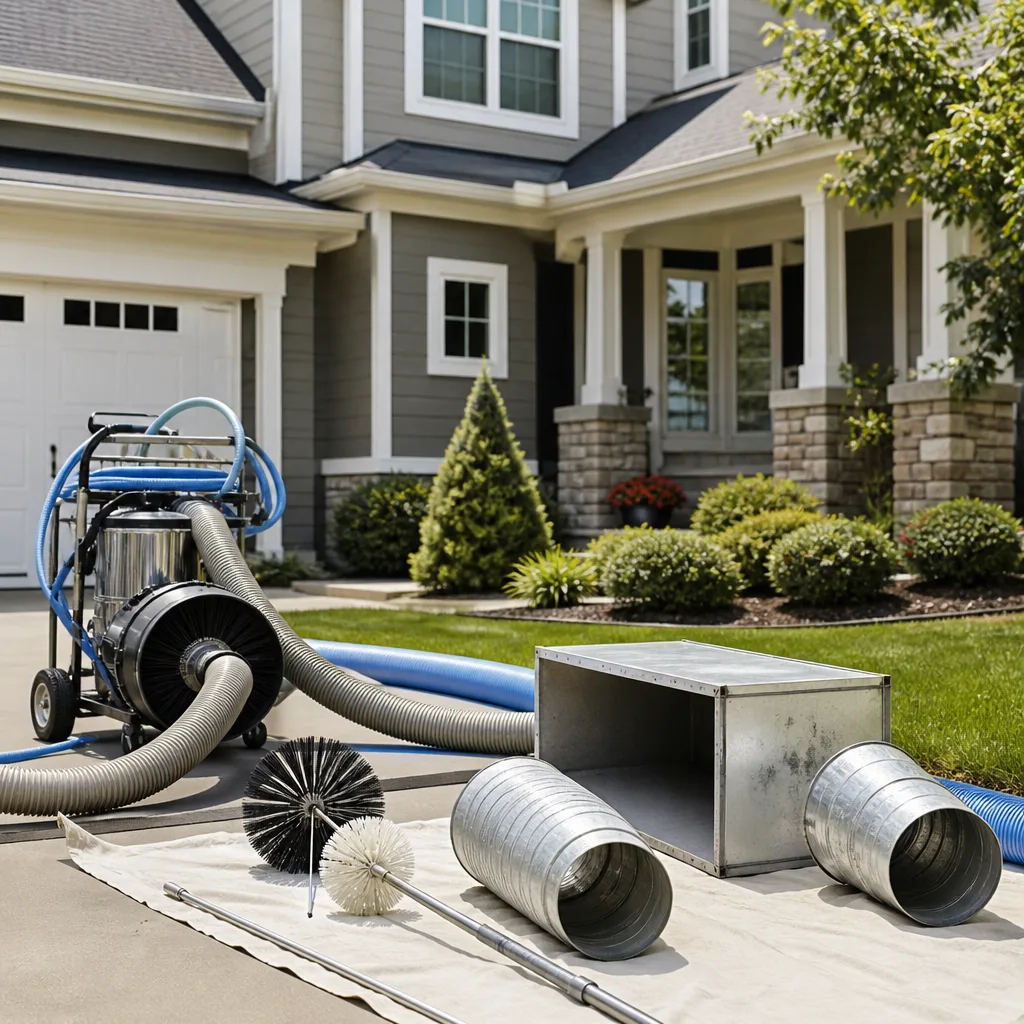 Whole-home duct cleaning
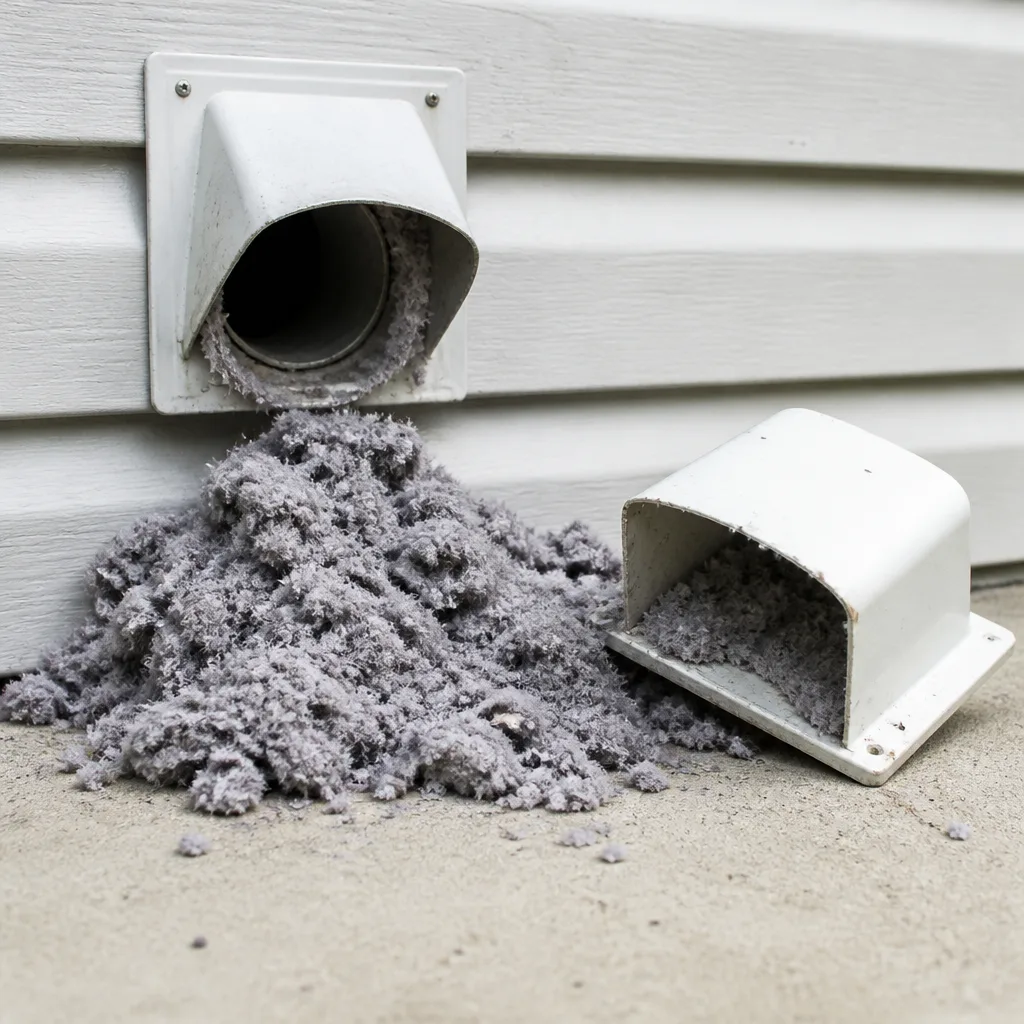 Dryer vent cleaning
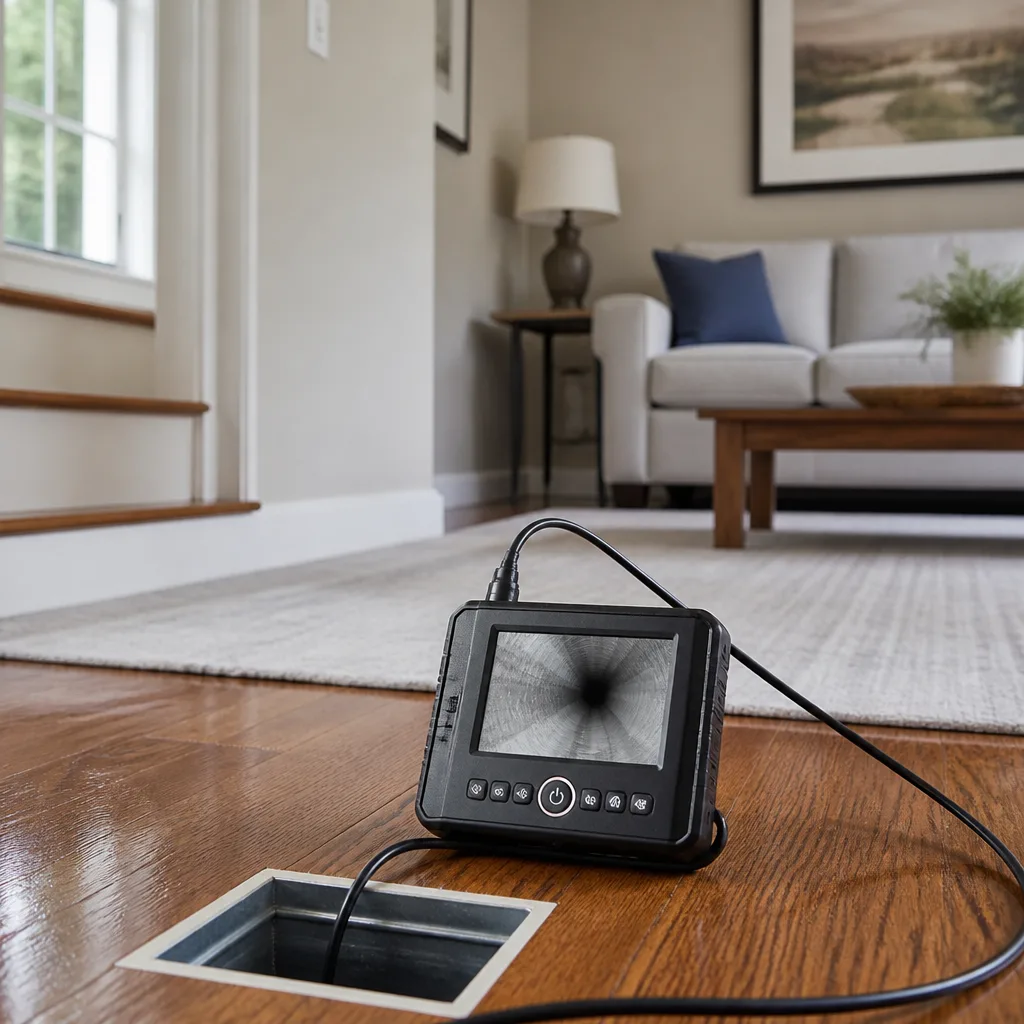 Camera inspection
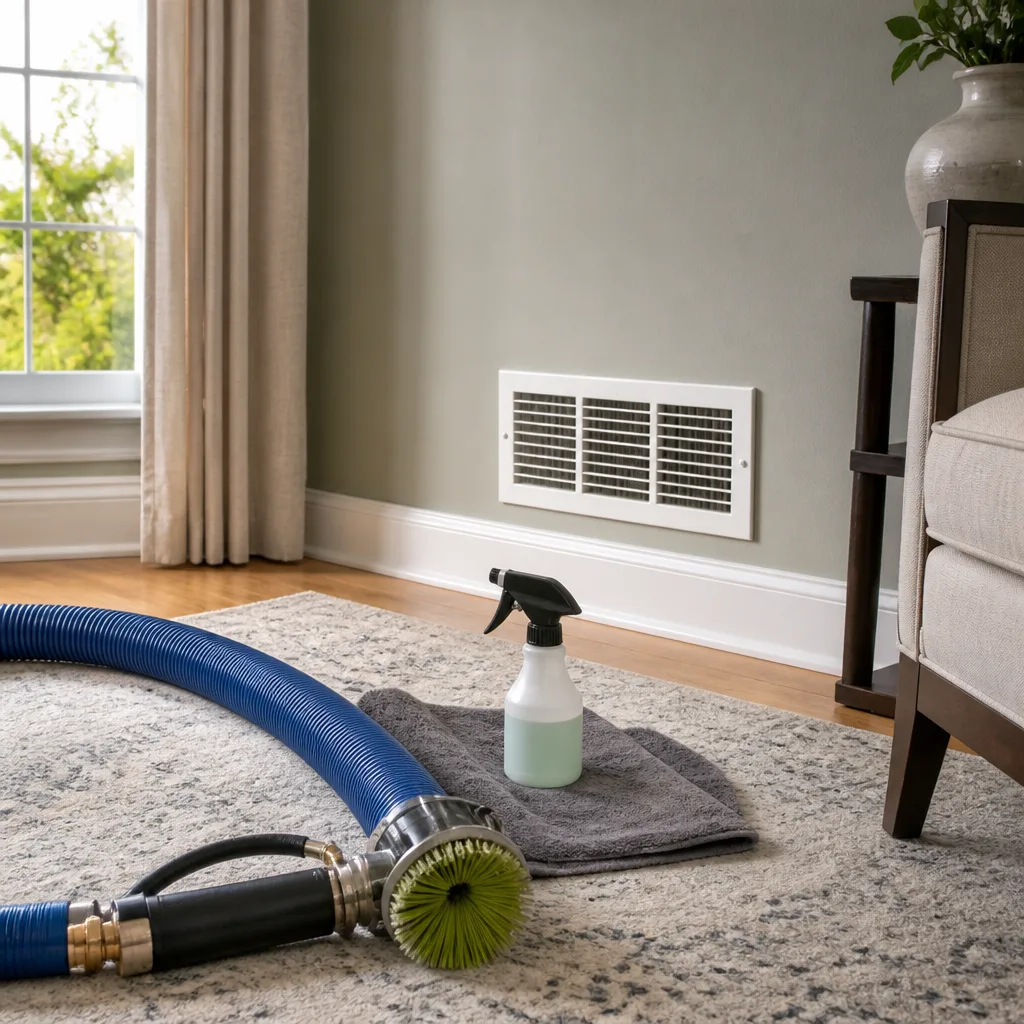 Sanitizing & deodorizing
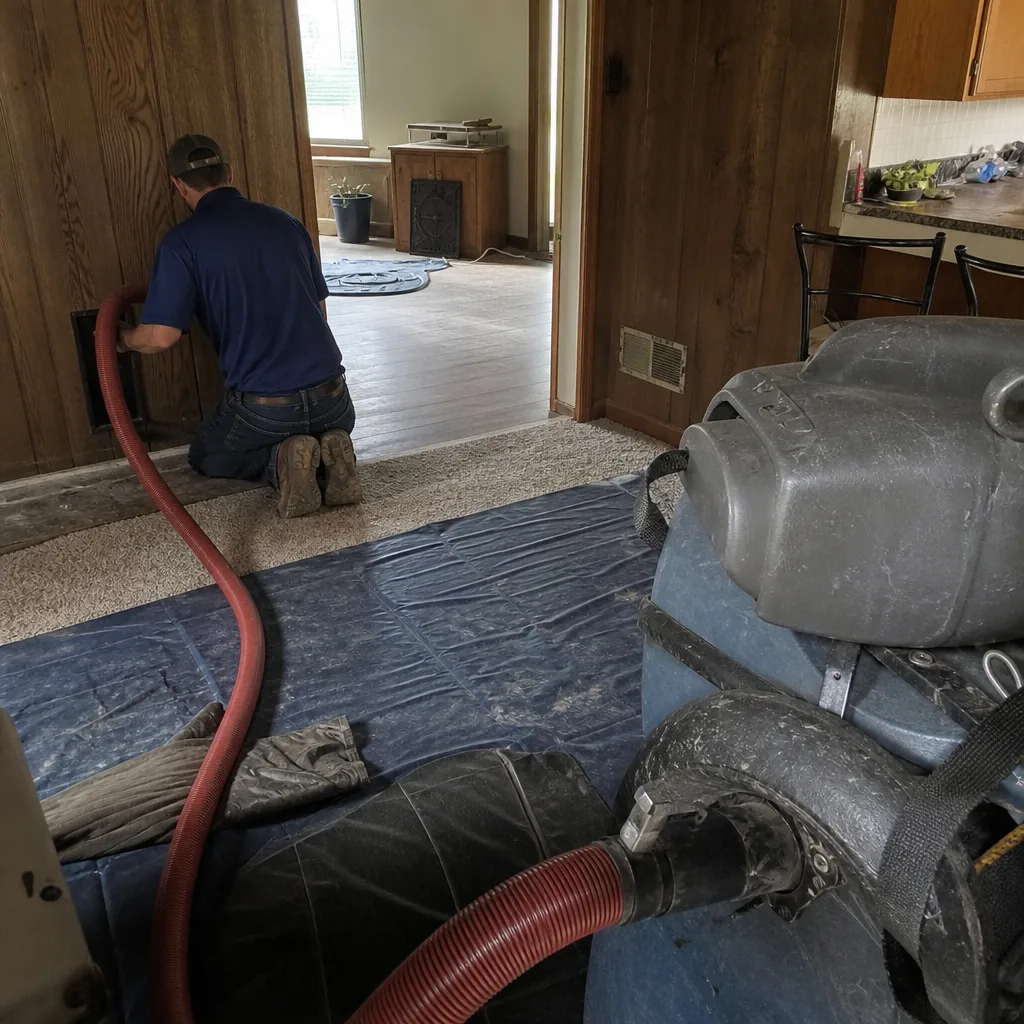
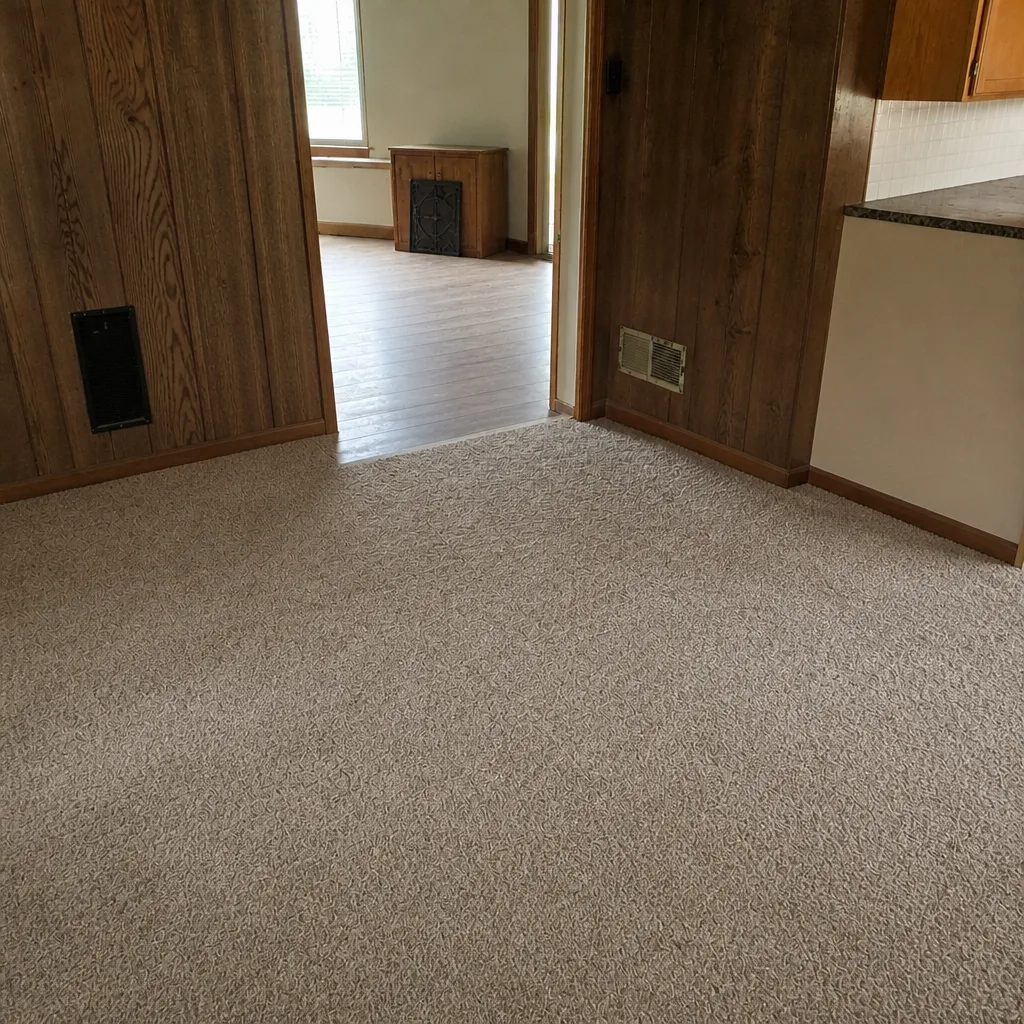
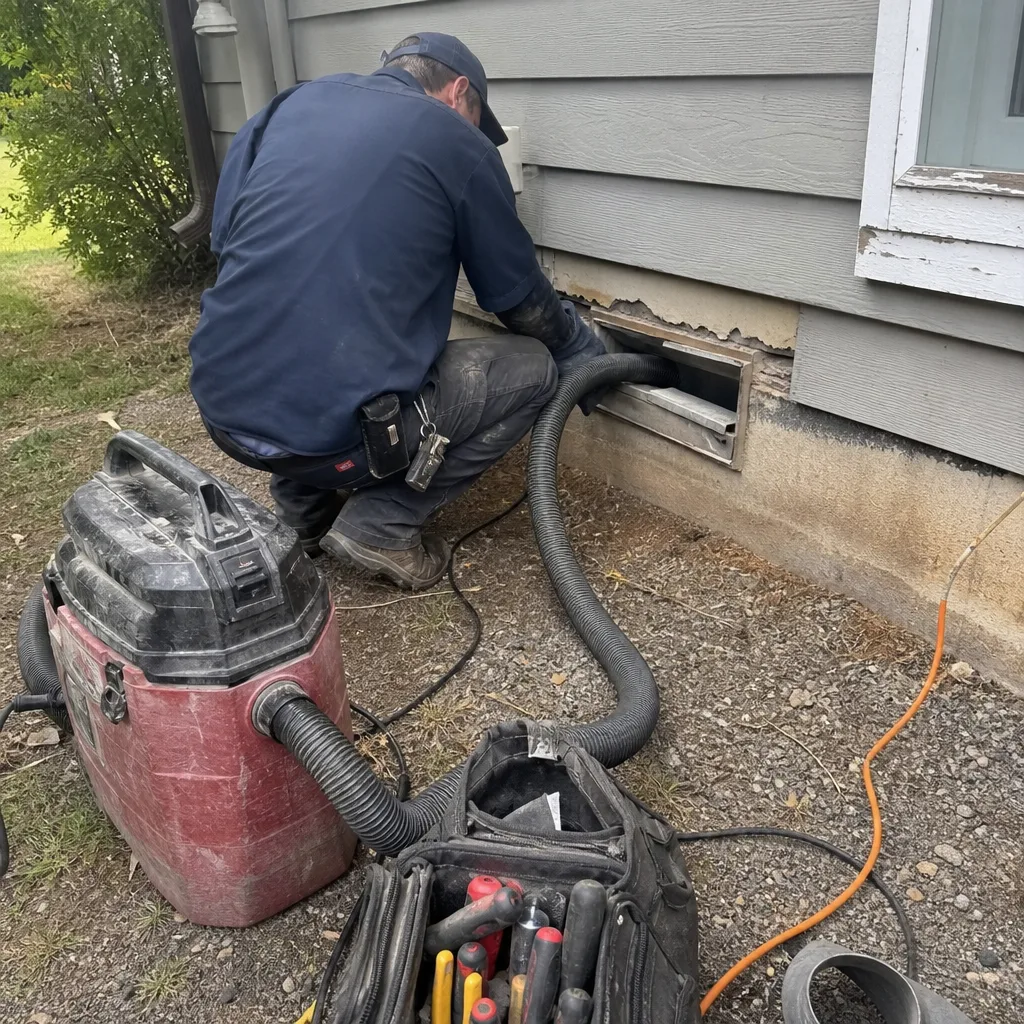
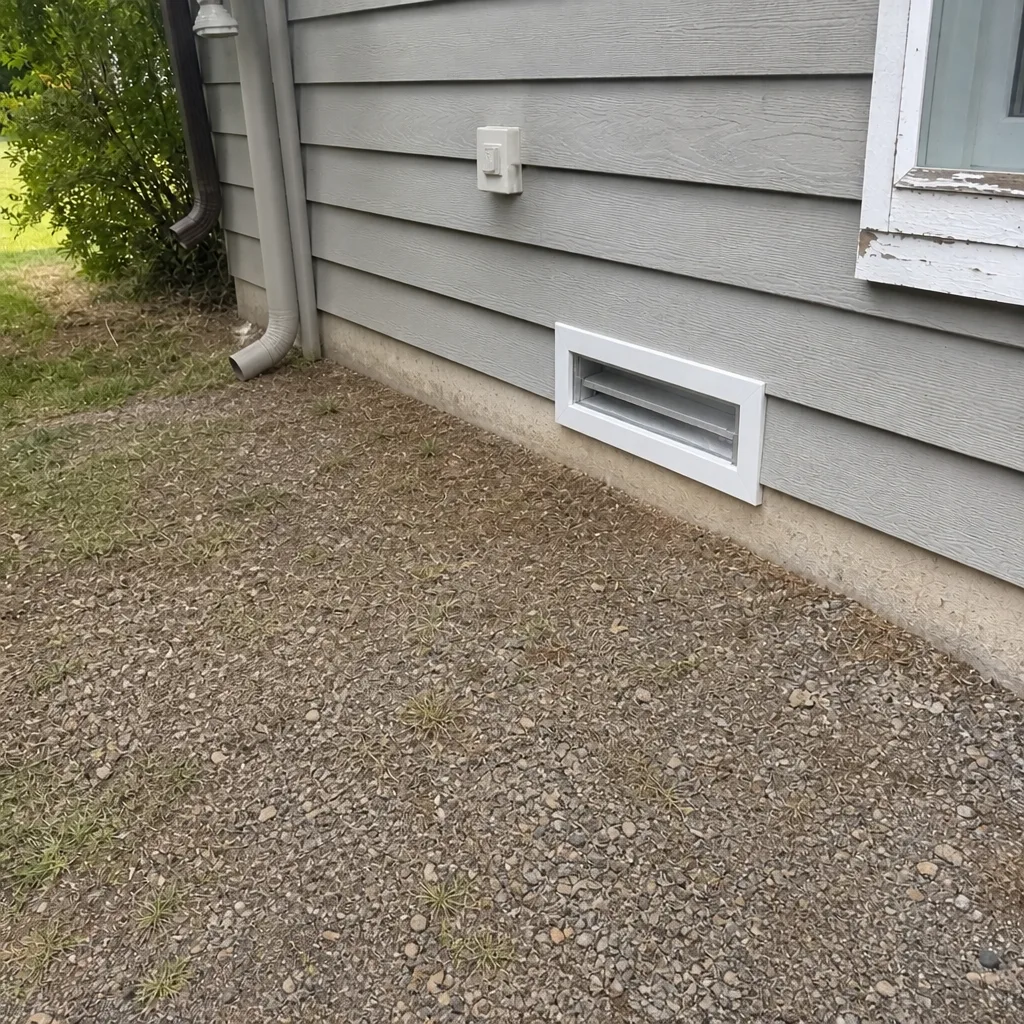
Whole-system duct and dryer vent check with before-and-after photos - you see exactly what came out of your vents
That "$99 whole-house special" is a bait ad - the real number appears once they are in your hallway, or the "clean" is a shop-vac at the register. We photograph the inside of your ducts before and after instead.
How to Hire an Air Duct Cleaning Contractor in Central Park: A Step-by-Step Guide
In Colorado, a contractor with a shop vacuum and a free online listing can legally call themselves an air duct cleaner. There’s no state license that proves they know what they’re doing inside your HVAC system. That’s the uncomfortable truth behind this whole industry, and it’s why the real work of hiring happens before anyone shows up at your door in Central Park. The question isn’t whether they have a certificate hanging on a wall. It’s whether their equipment can create enough negative pressure to pull debris out of long duct runs, and whether they’ll put their scope, their methods, and their before-and-after proof in writing. This guide walks you through the exact questions, red flags, and contract terms that separate a real professional from a crew that cleans what it can reach and calls it done.
Styles & brands we work with
- Whole-home duct cleaning
- Dryer vent cleaning
- Camera inspection
- Sanitizing & deodorizing
Quick Answer
To hire an air duct cleaning contractor in Central Park, verify three things before you book: the vacuum system’s airflow rating and the brushes they’ll use on your specific duct material, whether they hold NADCA membership and follow its standards, and whether they’ll give you a written scope with before-and-after documentation. Get a walk-through assessment and a written quote before any work starts. Skip anyone who quotes a firm price over the phone sight unseen or leads with a coupon.
Table of Contents
- Why Hiring Right Matters More Than Cleaning Technique
- The Equipment Questions to Ask Before You Book
- What NADCA Membership Actually Tells You
- The Three Contract Terms You Need in Writing
- How to Spot Bait-and-Switch Pricing in the Denver Metro Market
- What a Legitimate Walk-Through Looks Like
- Matching the Brush to Your Duct Material
- When Cleaning Isn’t Enough: Sealing, Repair, and Air Quality
- Common Mistakes to Avoid
- When to Call a Professional
- Frequently Asked Questions
- The Bottom Line
Why Hiring Right Matters More Than Cleaning Technique
Most homeowners focus on what a duct cleaning crew does while they’re inside the house. The more important question is what they brought with them. A proper duct cleaning operation depends on equipment that can do two jobs at once: agitate debris loose along the entire run of duct, and pull it into a sealed collection system before it settles back into the air your family breathes. A shop vacuum can’t do either one at the scale a real duct system requires.
Central Park homes sit in a climate that makes this matter more than homeowners realize. Our dry Colorado air means dust stays airborne longer and settles into ductwork more readily than it would in a humid climate. Add in the construction dust from the steady renovation activity around the neighborhood and the seasonal pollen that drifts through the Front Range, and you have a duct system that collects a real load of material between cleanings.
That’s why the hiring decision comes first. The right contractor brings professional-grade equipment and knows how to run it. The wrong one brings a machine that looks impressive in a photo but can’t sustain the airflow needed for a deep extraction. We’ve watched homeowners spend money on a cleaning that never touched the deepest part of their duct runs because the equipment simply couldn’t reach it. Our technicians have up to 15 years of experience, and the biggest difference between a job that works and one that doesn’t comes down to the machine and the operator, not the sales pitch.
The Equipment Questions to Ask Before You Book
Ask about equipment by name and rating, not by description. A real professional will answer these questions directly. A crew that hedges or changes the subject is telling you something.
- What is the CFM rating of your vacuum system? CFM, or cubic feet per minute, measures how much air the vacuum moves. A professional truck-mounted or high-powered portable unit generates substantially more airflow than a shop vacuum. Ask for the number. If they can’t tell you, they don’t know their own equipment well enough to run it properly.
- What type of brush will you use on my duct material? Sheet metal, flex duct, and fiberglass duct board all require different brush types and different agitation techniques. A stiff brush run through flex duct can tear the liner. Ask how they match the tool to the material.
- Do you use camera inspection? A camera pushed into the duct run lets the technician see the actual condition before and after cleaning. It also confirms what type of material they’re working with. Without a camera, they’re cleaning blind.
- What containment and filtration do you use? Ask whether they deploy HEPA filtration or a negative-pressure containment system during the job. Abatement Technologies air filtration systems are built for exactly this: keeping debris out of your living space while the work is in progress.
- What equipment brand do you run? Professional systems from Rotobrush and Nikro are designed from the ground up for duct cleaning and are used by HVAC contractors across the country. A repurposed shop vacuum or a leaf blower is not the same tool.
A contractor who answers all five without hesitation is worth talking to. One who answers two and deflects on the rest is probably planning to clean what’s visible and call it finished. That’s the gap our Air Duct Cleaning Central Park approach is built to close: right equipment, containment, and documented results.
What NADCA Membership Actually Tells You
NADCA, the National Air Duct Cleaners Association, is the closest thing this industry has to a credibility standard. Membership isn’t a license, and it doesn’t guarantee a perfect job. But it does mean the contractor has committed to a published set of standards for how duct cleaning should be performed, and it separates operators who take the trade seriously from those who don’t.
NADCA-trained technicians are taught to assess a system before cleaning it, to use source removal techniques rather than chemical misting alone, and to document conditions before and after the work. They’re also trained to recognize when cleaning isn’t the real problem. A duct system that’s losing air through unsealed seams or damaged flex runs won’t be fixed by cleaning it. The debris will come right back.
When a contractor mentions NADCA membership, ask a follow-up question: what does your assessment process look like before you clean? If the answer is specific, you’re talking to someone who knows the standards. If the answer is vague, membership may be a badge they display without following the practice behind it.
In Central Park, where a lot of housing stock is newer but still subject to the same dust load as the rest of the Front Range, that assessment piece matters. A real assessment catches the duct integrity issues that cleaning alone can’t solve. It’s the difference between a technician who cleans around a problem and one who identifies it.
The Three Contract Terms You Need in Writing
Before any technician starts work, get three things in writing. Not verbally agreed to over the phone. In writing, on the estimate or the work order.
- Scope of the system being cleaned. This should name the number of supply and return runs, the HVAC unit itself, and any components like the blower or coil that are included or excluded. “Full house duct cleaning” means nothing without specifics. You want to know exactly which parts of your system are covered so there’s no argument later.
- Before-and-after documentation. Ask them to commit to providing photos or video of your own ducts, taken before cleaning begins and after it’s complete. Camera inspection makes this possible. A crew that won’t commit to documentation is a crew with nothing to show you. This is your proof the work actually happened.
- Equipment used on the job. The written estimate should name the equipment being brought on-site: the vacuum system, the agitation tools, and any containment or filtration units. If they’ve answered your equipment questions, this should be easy for them to put on paper. If they can’t name it, they didn’t bring it.
Those three terms protect you from the most common failure in this trade: a vague scope, no proof of work, and a crew that cleans the accessible vents and calls it done. A professional operation will hand you a written estimate with all three items without being pushed. Our air duct cleaning estimates are built this way from the start, and the flat price per system is agreed before any work begins.
How to Spot Bait-and-Switch Pricing in the Denver Metro Market
A low advertised price that balloons into a much larger invoice once the technician is on-site is the oldest trick in this business. It shows up across the Denver metro market, including Central Park, and it works because homeowners don’t yet know what a real system cleaning should cost.
Here’s how the pattern usually goes. The advertised price covers “one main trunk and up to a certain number of vents.” Once the crew arrives, they discover your system has more vents than the teaser covered. Or the return side isn’t included. Or the cost of “additional services” gets added line by line. By the end, the price has climbed well past what a professional operation would have quoted upfront.
Red flags to watch for:
- Per-vent pricing instead of whole-system pricing. Real duct cleaning is priced by the system, not per register.
- A firm price quoted over the phone before anyone has seen your system or your HVAC unit.
- Coupons or teaser figures advertised as the full price of a cleaning.
- Upsells that appear only after the crew is inside, particularly for services framed as necessary to complete the job you already booked.
The counter is simple. Ask for a whole-system price, in writing, after a walk-through assessment. The written estimate should set the final price with no line items that appear mid-job. If a contractor can’t give you that, the advertised number they led with was never the real price. This is the single biggest objection we hear from homeowners in Central Park, and it’s a fair one. One flat price per system, agreed before work starts, is how it should work.
What a Legitimate Walk-Through Looks Like
A professional assessment happens in person before any quote is generated. If a contractor is willing to quote sight unseen, they’re either guessing at the scope or planning to adjust the price once they see the system. Neither is a good sign.
Here’s what a real walk-through includes:
- Inspection of the HVAC unit. The technician should look at the air handler, blower, coil, and filter housing. The condition of the HVAC unit tells them a lot about the duct system and what type of cleaning it needs.
- Identification of all registers and returns. They should locate and note every supply and return run in the system, including ones tucked behind furniture or in closets. This inventory becomes your scope of work.
- Camera or direct inspection of a sample run. A camera view inside a duct run shows the material type, the debris load, and any sign of moisture, pest activity, or liner damage. If they don’t have a camera, they should at least be pulling a register and looking with a flashlight.
- Duct integrity check. They should look for disconnected joints, crushed flex duct, torn insulation, and unsealed seams. These are the problems cleaning alone won’t fix, and a real technician should flag them.
- Written quote based on what they found. The quote comes last, after the assessment. It should list the system scope, the equipment being used, and the total price, with no line items to be added later.
Walk-throughs take time, and a contractor who cuts that step short is cutting corners on the job too. If you’re booking dryer vent work alongside a duct cleaning, the same walk-through should include a look at the vent run and any lint buildup you can see. Our dryer vent cleaning and duct work get quoted together after the assessment, never over the phone.
Matching the Brush to Your Duct Material
Duct material changes the tools and technique a technician should use. Getting this wrong can damage the duct system, and a contractor who doesn’t ask about material before booking hasn’t thought it through.
Sheet metal duct has hard, smooth walls and can take a stiff brush and higher-pressure agitation. Flex duct has a soft liner that tears easily if run with the wrong brush or too much agitation. Duct board, the rigid fiberglass material used in some older systems, has a fibrous interior surface that needs a gentler approach and careful containment so fibers don’t become airborne during cleaning.
Ask your contractor how they identify the material and how they adapt. A professional will use a camera to look inside the run, or pull a register to inspect the duct material directly, before selecting the brush. The answer should be specific to what’s inside your system, not a general assurance that they “handle every type.”
In Central Park, mixed material systems are common in renovated homes where the original layout was modified. A house can have metal trunk lines feeding flex branches added during a basement finish. Matching the tool to each section is part of doing the job right, and it’s one more reason the walk-through assessment isn’t optional.
If you’re also booking HVAC work, ask whether the same assessment covers the unit itself. Our HVAC cleaning process evaluates the air handler and coil alongside the duct runs because debris on the coil does as much damage to air quality and efficiency as debris in the ducts.
When Cleaning Isn’t Enough: Sealing, Repair, and Air Quality
Some duct systems need more than cleaning. If the walk-through turns up disconnected joints, crushed flex duct, or torn insulation, a cleaning will remove the debris but leave the loss in place. Debris will find its way back through the same gaps as soon as the system runs again.
This is where duct repair and sealing belong in the conversation. A technician who flags damaged duct during the assessment and recommends repair is doing the job properly. One who cleans around the problem and leaves you with the same air-loss issue is selling a service that looks complete but isn’t. We repair what we find, not just clean around it.
Beyond sealing, some homeowners in Central Park want more control over what’s circulating through the house. Renovation dust, seasonal allergies, and aging HVAC equipment all push air quality concerns to the top of the list. Professional filtration and purification components from product lines like Honeywell and Aprilaire can be built into the system as part of a complete air quality solution, and Guardsman-grade sanitizing products are used in our sanitizing service for verified antimicrobial treatment.
All of this ties back to one idea: your entire air system is connected. Ducts, dryer vent, HVAC unit, duct integrity, and air sanitizing all affect the same air. If you want a contractor who can address the whole system rather than one piece of it, our Air Duct Cleaning Central Park team handles all five service categories together. For air duct cleaning, dryer vent cleaning, and HVAC cleaning, the assessment is the starting point for every quote.
Common Mistakes to Avoid
- Booking based on the lowest advertised price. A teaser figure usually covers a partial scope, and the real invoice climbs once the crew is inside. Ask for a whole-system written estimate before booking, not a coupon price. In the Denver metro market, that single step rules out most of the bait-and-switch operators.
- Accepting a phone quote without a walk-through. A contractor who quotes sight unseen is guessing at your scope or planning to raise the price later. A real assessment takes time because it examines the HVAC unit, every register, and the duct material before a number is set.
- Skipping equipment questions. If you don’t ask about CFM, brush type, and containment, you have no way to tell a professional operation from a shop-vac crew. A crew that can’t answer basic equipment questions can’t reliably clean a duct system.
- Not asking for before-and-after proof. Without documentation of your own ducts, you have no way to verify the work was done. Ask for photos or video of your own system before and after cleaning, taken by the crew that did the work.
- Letting cleaning substitute for repair. If the assessment flags disconnected joints, crushed flex runs, or torn insulation, a cleaning alone leaves the problem in place. Debris returns through the same gaps, and air loss continues. Ask for repair and sealing to be part of the scope.
- Ignoring the HVAC unit and dryer vent. Cleaning the ducts while leaving a dirty blower, coil, or dryer vent only addresses part of the system. All of it carries the same air, and the whole system deserves a look during the assessment.
- Booking with an operator who can’t explain their containment setup. Debris that’s loosened but not contained becomes airborne inside your home during the job. Ask specifically about HEPA filtration or negative-pressure containment before the crew arrives.
When to Call a Professional
Call a professional when the visible debris load is heavy, when you’ve recently finished a major renovation, or when you’ve just bought a Central Park home and don’t know the condition of the duct system. Allergy or respiratory concerns in the household are another reason to schedule an assessment. Visible mold inside the ductwork, pest activity, or a buildup of lint in the dryer vent run should be handled by a trained technician, not a homeowner.
The same is true when the system feels weak. Unexplained hot and cold rooms, audible whistling at the registers, or a rise in dust in the house can point to duct integrity problems that need a walk-through to diagnose. If the HVAC unit hasn’t been serviced alongside the ducts, the assessment should cover both.
Air Duct Cleaning Central Park offers free estimates in Central Park. Call (833) 509-5525. We answer 24/7. Fast dispatch from 7am to 7pm, Sunday through Friday.
Frequently Asked Questions
Air duct cleaning is priced per system, not per vent, because a whole-system job includes every supply and return run, the HVAC unit, and containment during the work. A partial job priced by the vent usually isn’t a full cleaning. For a whole-system estimate on your home in Central Park, call (833) 509-5525. Estimates are free and the written quote sets the final price.
Cheap quotes usually cover a partial scope: a set number of vents, or the accessible runs only, with additional line items added once the crew is on-site. The other reason is equipment. A shop vacuum can’t sustain the airflow a real duct cleaning requires, so the job costs less to run and does less. One flat price per system, agreed before work starts, protects you from both. Call (833) 509-5525 for an exact quote.
Ask for before-and-after photos or video of your own ducts, taken by the crew that did the work. Camera inspection inside the duct run makes this possible, and a professional contractor will commit to it in writing. If your contractor won’t document the work, that’s a problem before any cleaning starts. Call (833) 509-5525 and we’ll walk you through what documentation you’ll receive.
Most homes don’t need it on a fixed schedule. The better trigger is a condition: a recent renovation, a move into a home with unknown duct history, visible debris or pest activity, or a household where allergies make the air quality a priority. In a dry climate like Central Park’s, dust settles back into the ducts over time, so an assessment every few years is reasonable. Call (833) 509-5525 if you want an honest look at whether your system needs it.
No state in the US requires a license to perform air duct cleaning, so NADCA membership isn’t legally required anywhere, including Central Park. But it’s still a meaningful signal. A NADCA member has committed to a published standard for assessment, source removal, and documentation, which separates real professionals from shop-vac crews. Ask any contractor you’re considering whether they’re a member and how they follow the standard.
A proper walk-through includes a look at the HVAC unit, identification of every supply and return register, a camera or direct inspection of the duct material, and a duct integrity check for disconnected joints or damaged flex. The written quote comes after the assessment, not before. If a contractor quotes you over the phone without ever seeing the system, they haven’t done the assessment.
The Bottom Line
Hiring an air duct cleaning contractor in Central Park comes down to judging the operator, not the ad. Ask about equipment by name and rating, verify NADCA membership and the standards behind it, and require three things in writing before anyone starts: the scope of the system, before-and-after documentation, and the equipment being used. A written whole-system price, agreed after a walk-through assessment, protects you from the bait-and-switch tactics that show up across the Denver metro market. Our technicians have up to 15 years of experience, and we bring professional-grade equipment, containment, and repair capability to every job. Call (833) 509-5525 for a free estimate. We answer 24/7. Fast dispatch from 7am to 7pm, Sunday through Friday.
Written by the team at Air Duct Cleaning Central Park.
See the difference
 Before
 After
 Before
 After
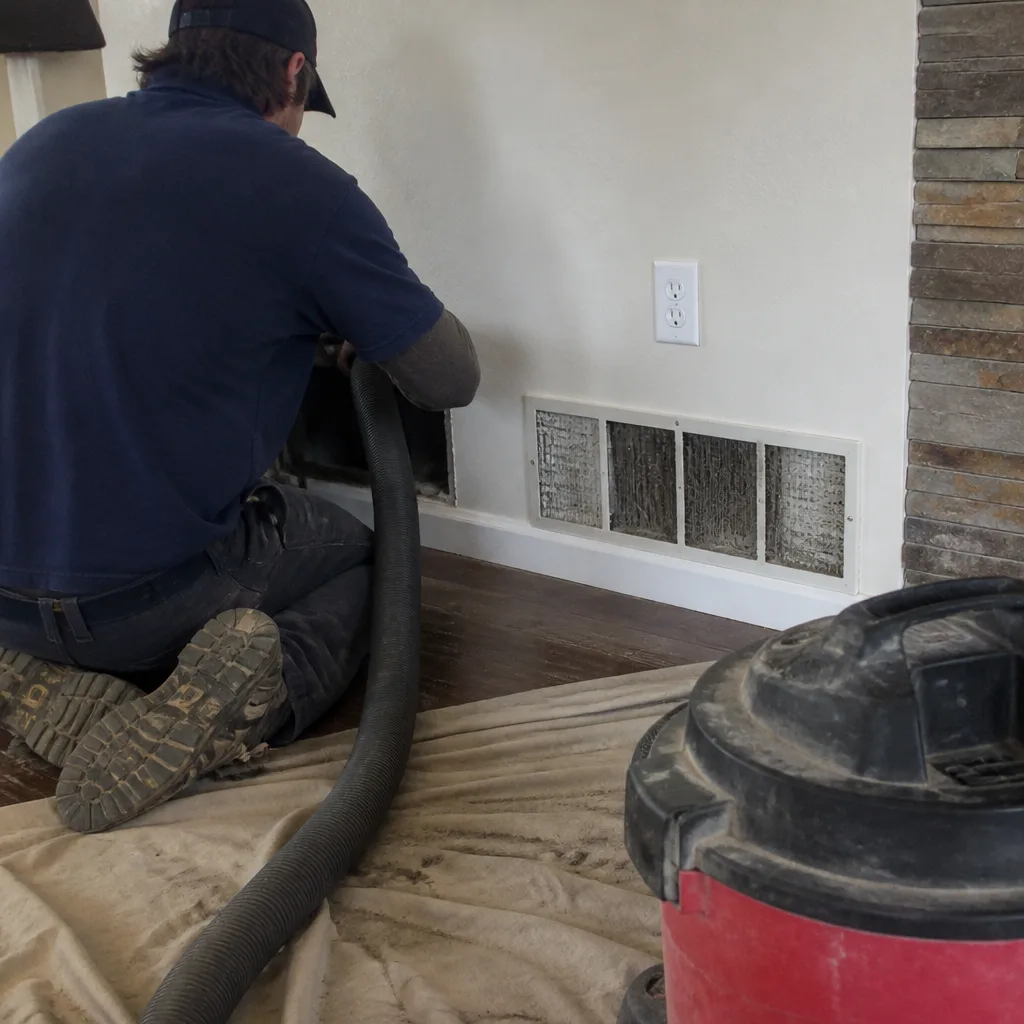 Before
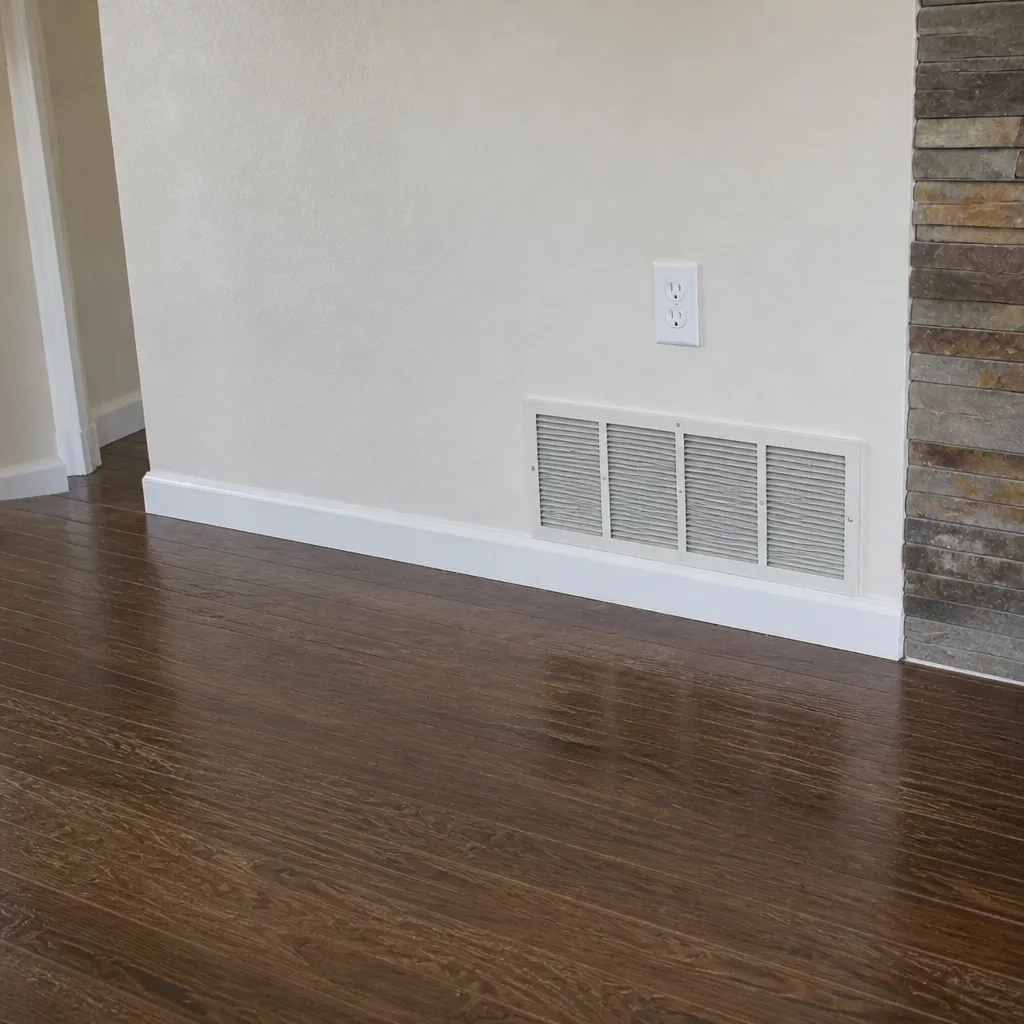 After