
Last updated November 25, 2026
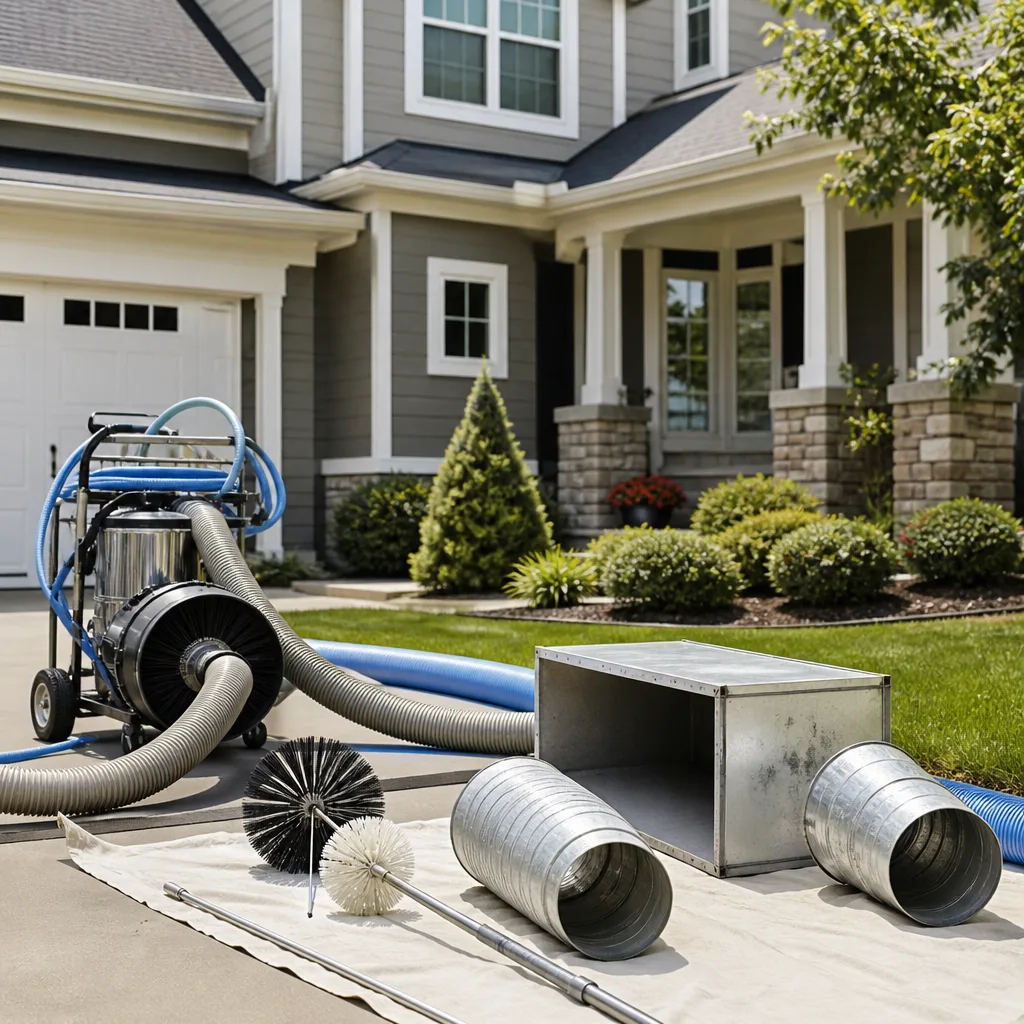 Whole-home duct cleaning
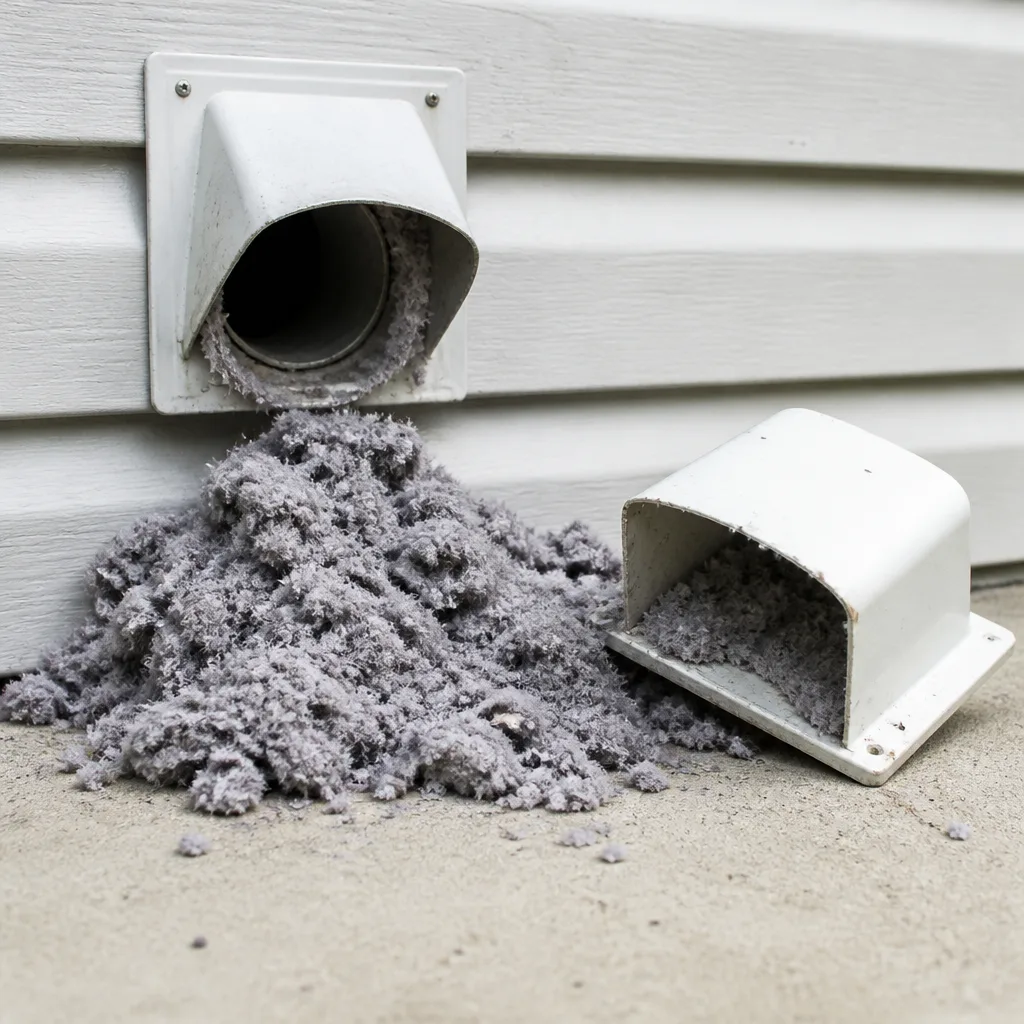 Dryer vent cleaning
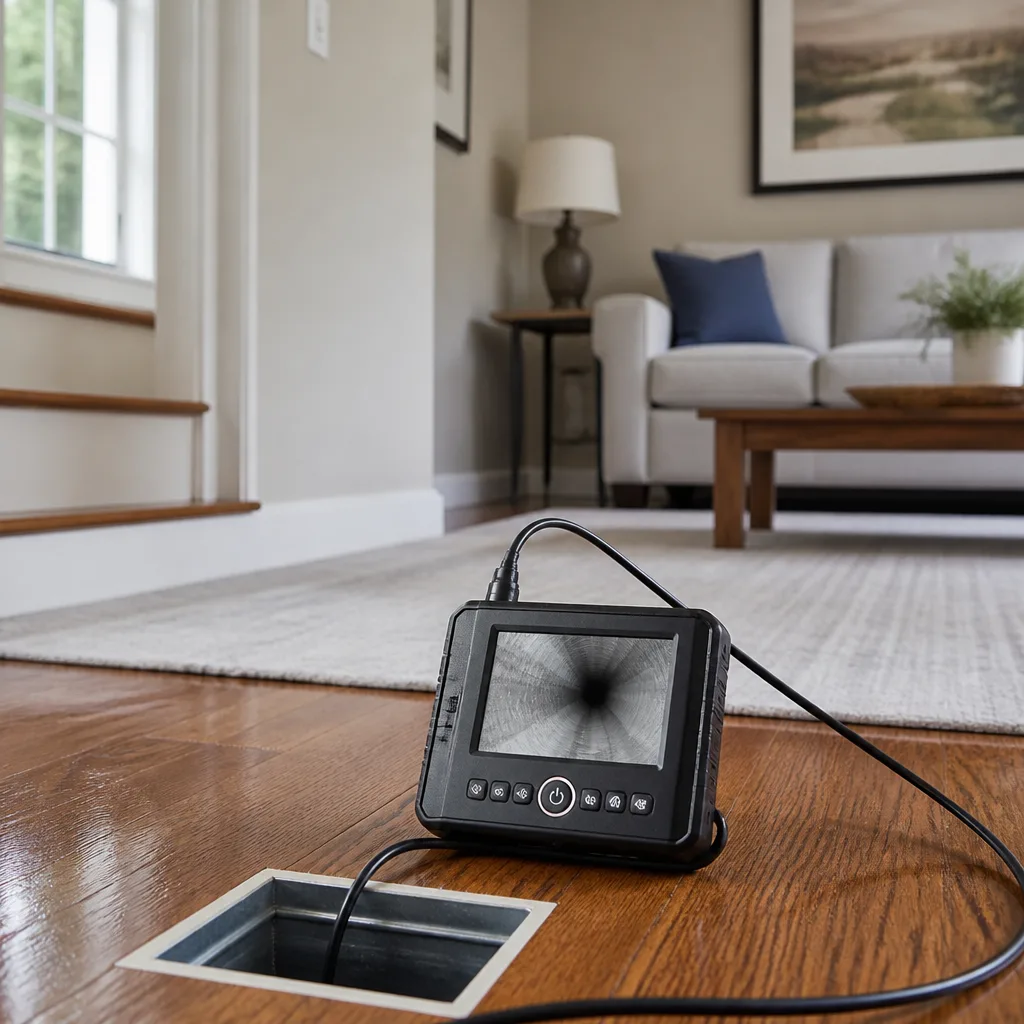 Camera inspection
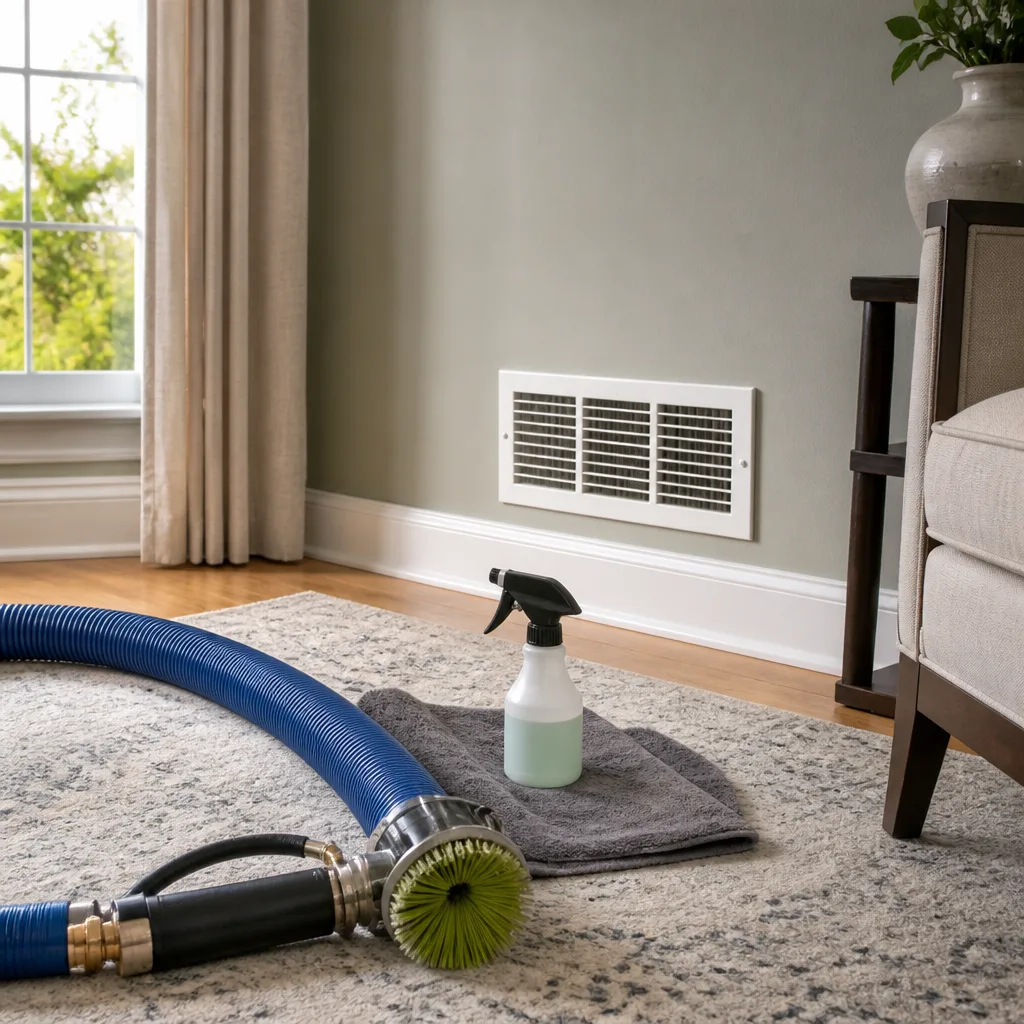 Sanitizing & deodorizing
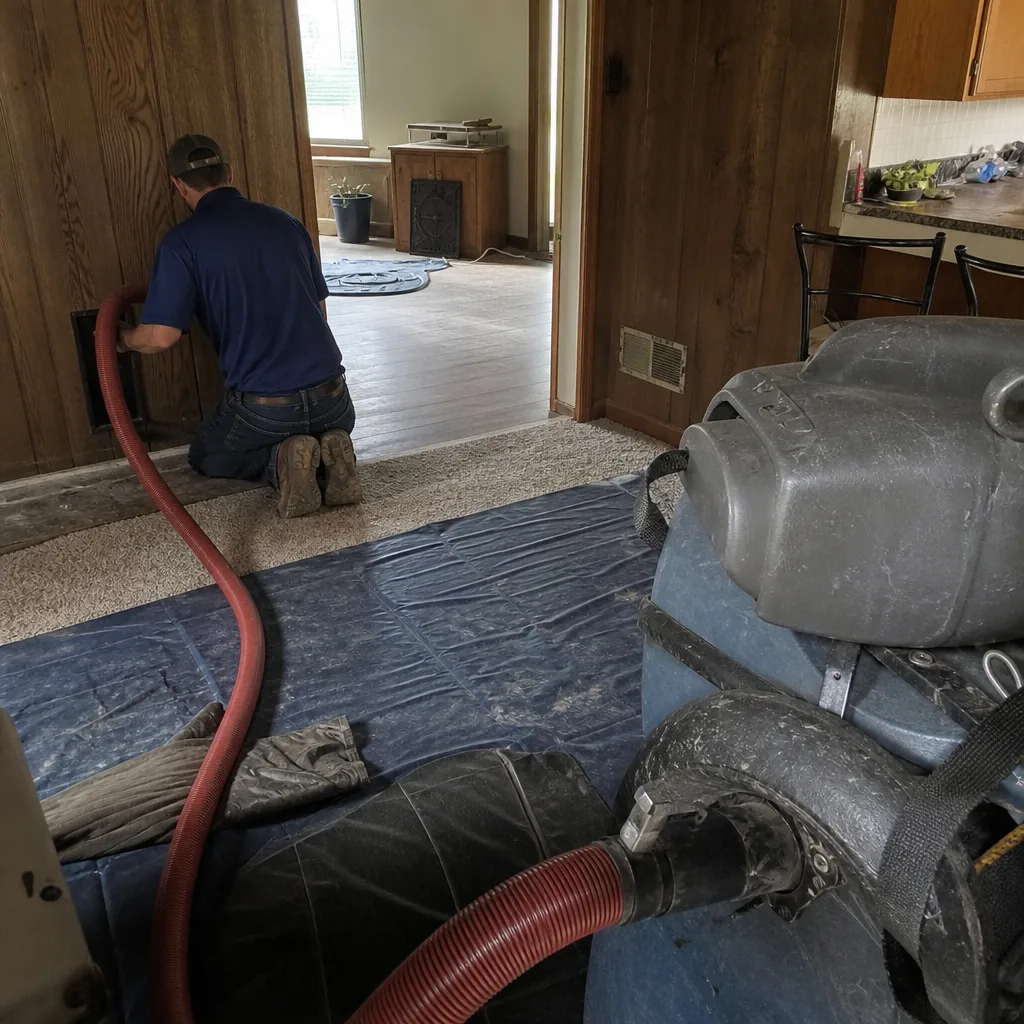
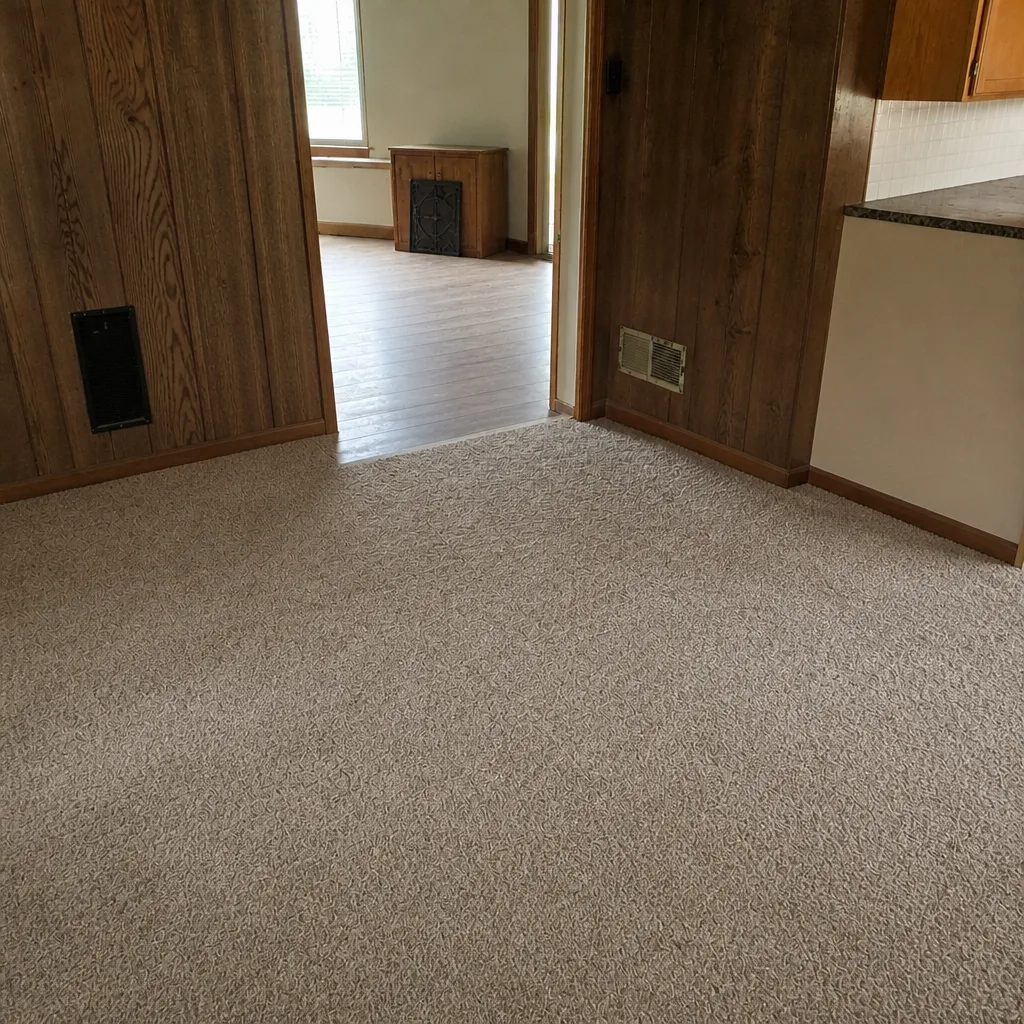
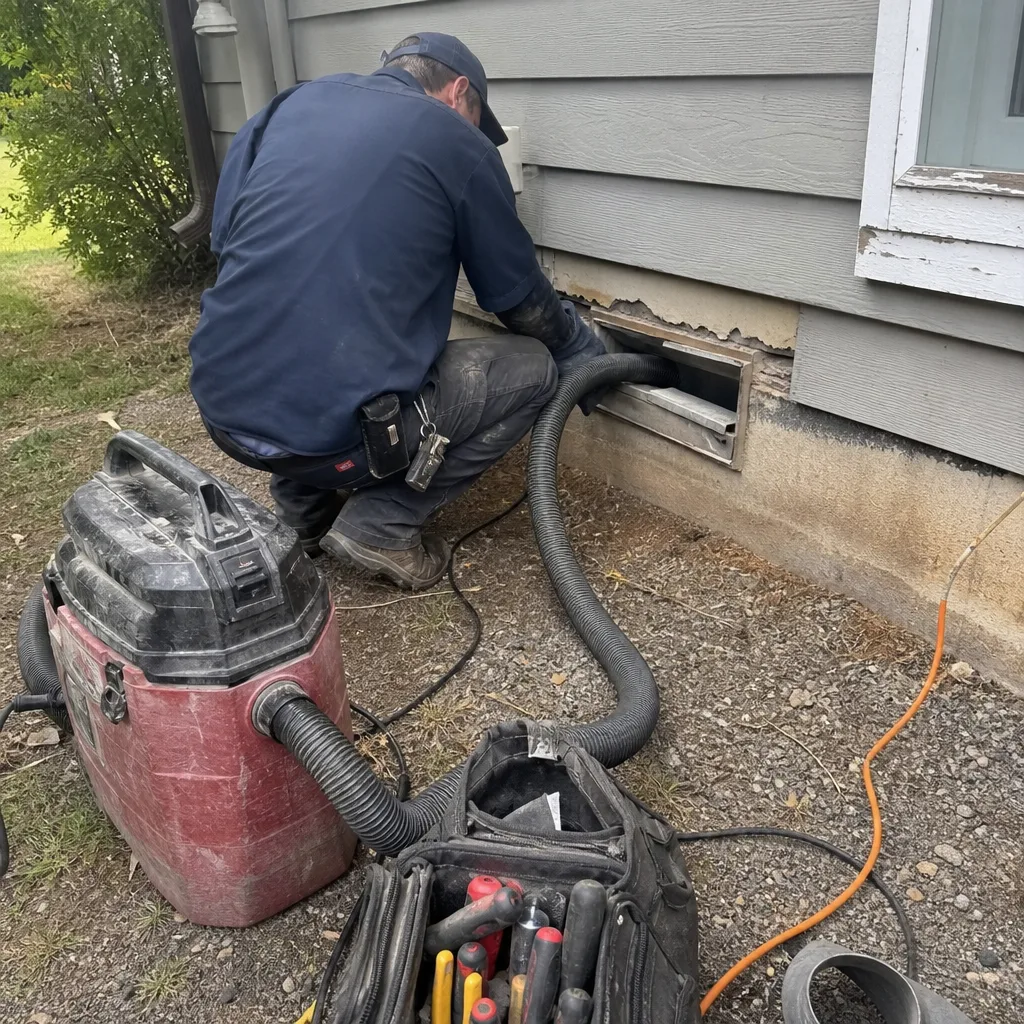
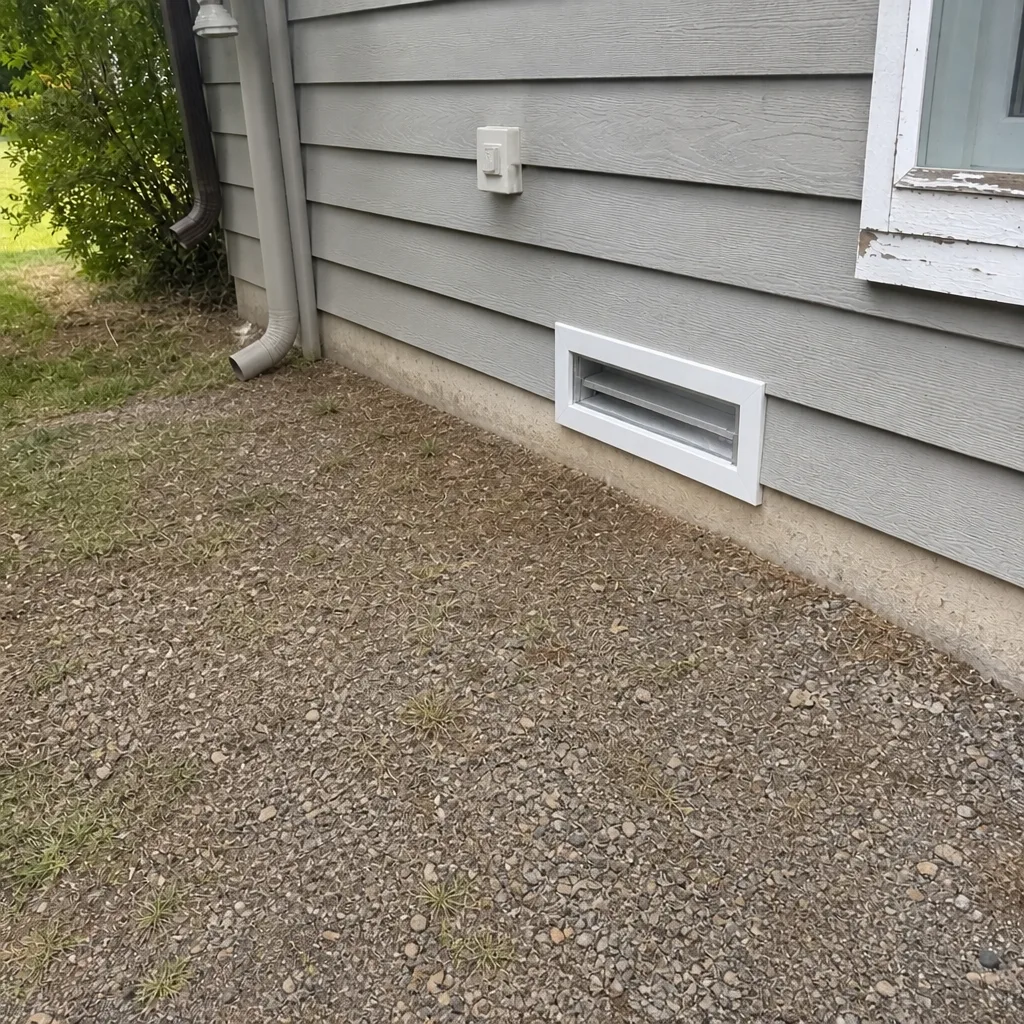
Whole-system duct and dryer vent check with before-and-after photos - you see exactly what came out of your vents
That "$99 whole-house special" is a bait ad - the real number appears once they are in your hallway, or the "clean" is a shop-vac at the register. We photograph the inside of your ducts before and after instead.
DIY vs Professional Air Duct Cleaning: The Central Park Homeowner’s Decision Guide
Here’s the part most cleaning advice skips: suction volume decides outcomes, not effort. A standard shop vacuum pulls roughly 100 to 150 cubic feet per minute. A professional duct cleaning system pulls 2,000 to 4,000 CFM. That gap isn’t a marketing difference. It’s the difference between wiping the grille and pulling debris out of a 25-foot duct run buried in a Central Park ceiling. What follows is the mechanical reality behind that number, what DIY genuinely can and can’t do, and how to decide which route fits your home. You’ll leave with a clear rule for when to grab the vacuum and when to call someone.
Quick Answer
DIY air duct cleaning can meaningfully handle register faces, return grilles, and filter changes, but it cannot extract accumulated debris from inside long duct runs because consumer vacuums don’t generate enough negative pressure to move material against the resistance of duct walls. For short runs, routine maintenance, and surface dust, DIY is a reasonable interim measure. For long runs, post-renovation debris, post-wildfire smoke events, or suspected mold anywhere in the system, professional equipment is the only method that removes contamination rather than redistributing it.
Styles & brands we work with
- Whole-home duct cleaning
- Dryer vent cleaning
- Camera inspection
- Sanitizing & deodorizing
Table of Contents
- Why CFM and Negative Pressure Decide the Outcome
- The Math: How Much Suction Do Different Duct Runs Actually Need?
- What DIY Cleaning Can Legitimately Accomplish
- The Recirculation Problem: Why Brushing Without Suction Backfires
- When DIY Is a Reasonable Interim Measure (and When It Isn’t)
- Central Park Scenarios Where DIY Is Never the Answer
- What a Professional Cleaning Actually Involves
- The Equipment Gap, Explained Without Sales Talk
Why CFM and Negative Pressure Decide the Outcome
Air duct cleaning is a physics problem before it’s a labor problem. Loose dust, drywall fragments, pet hair, and construction debris sit inside duct walls, and they don’t sit still. To remove them, you need enough airflow moving in the right direction, at enough velocity, to overcome friction along the duct interior and carry material toward a collection point. That’s what CFM, or cubic feet per minute, describes: the volume of air being moved. Negative pressure is the pull that keeps that air flowing inward instead of outward into your living room.
A shop vacuum, even a large one, operates at a fraction of the airflow a duct cleaning system produces. Where it fails isn’t at the hose tip, which feels strong in your hand. It fails several feet into a duct run, where the airflow has weakened below the threshold needed to lift settled material. You feel suction. The debris twenty feet away feels nothing.
This matters more in Central Park than in many places because the housing stock here tends toward longer, more complex duct layouts – runs that thread through finished basements, above vaulted ceilings, and around additions. Every turn, every flex connection, every reduction in duct diameter drops airflow further. A system that’s already weak at the register is nearly motionless at the far end. That’s the mechanical reason a homeowner with a shop vacuum ends up working hardest exactly where the vacuum has the least effect.
Negative pressure also serves a second job: containment. When a professional system applies strong negative pressure at the system and pairs it with filtration at the work zone, dislodged debris travels toward the collection equipment rather than into the room. Without that pressure differential, anything you loosen becomes airborne where people are breathing. For more on how this plays out room by room, see our air duct cleaning Central Park overview.
The Math: How Much Suction Do Different Duct Runs Actually Need?
You don’t need engineering math to make this decision, just a feel for how quickly airflow dies over distance. Think of duct cleaning suction as water pressure in a garden hose: the pressure at the nozzle tells you almost nothing about the flow at the far end of a long, kinked line. Here’s the plain-terms version of the threshold question.
- Short runs (roughly 6 to 10 feet, direct path): A shop vacuum can move surface dust and light debris here. This is where DIY has real value – dropping registers and cleaning what you can reach.
- Medium runs (roughly 10 to 20 feet, one or two turns): A shop vacuum loses most of its effective airflow. It may pull a loose dust ball that’s already near the register, but it won’t reliably lift material that has settled against the duct floor.
- Long runs (roughly 20 to 25 feet or more, multiple turns): A consumer vacuum has essentially no extraction capability. Material at the far end stays put, and brushing it loose without strong negative pressure just sends it into the airstream.
- Trunk lines and plenum areas: These require equipment in the professional range – the 2,000 to 4,000 CFM class – to establish negative pressure across the whole system rather than at one point.
The practical takeaway: a shop vacuum cleans the register face. A professional system cleans the duct run. The distance between those two statements is measured in feet and in airflow, not in how hard you scrub. And because most Central Park homes have at least one long run feeding a far bedroom or a bonus room, a DIY pass usually leaves the most contaminated section untouched.
What DIY Cleaning Can Legitimately Accomplish
We’re not going to tell you a homeowner can’t do anything useful. A careful DIY pass has a real, defined scope, and knowing that scope keeps you from wasting effort or, worse, making things worse.
- Register and grille cleaning. Remove supply and return grilles, wash them in a sink, dry them fully, and reinstall. This removes the visible dust layer that gets blown back into the room every time the system cycles.
- Filter maintenance. Replace or clean the filter on the schedule your system calls for. A clogged filter is the single most common cause of both poor airflow and dust buildup downstream. This is the highest-value thing most homeowners can do themselves.
- Surface cleaning inside the air handler cabinet. With the power off at the breaker, the accessible interior surfaces of the air handler can be wiped. This is limited to what you can safely reach without disassembly.
- Keeping returns clear. Make sure furniture, rugs, and storage aren’t blocking return grilles. Blocked returns reduce system airflow and worsen dust settling everywhere downstream.
What this list has in common: it’s all reachable and none of it requires pulling debris from inside a duct run. That’s the honest boundary. If you stick to it, DIY is worthwhile and safe. If you cross it and start brushing deep into ducts without proper suction and containment, you’re doing more harm than good, and we’ll explain exactly why next.
The Recirculation Problem: Why Brushing Without Suction Backfires
Here’s the mistake that turns a hopeful cleaning into a worse mess. Suppose you drop a register and run a brush into the duct. The brush breaks loose a layer of settled dust. But with no strong negative pressure to capture it, that dust doesn’t leave the system. It becomes airborne and travels the path of least resistance: out through the supply registers into your living room, or deeper into the system where it re-settles on the evaporator coil and duct walls.
So a DIY cleaning without real suction doesn’t remove contamination, it redistributes it. The dust that was sitting quietly in a duct now coats your furniture, your curtains, and the air your family breathes for the next several days. If anyone in the home has allergies or asthma, that redistribution is a genuine setback, not a minor annoyance.
Professional duct cleaning is built around preventing exactly this. Systems from brands like Abatement Technologies apply filtration at the work zone so dislodged debris is captured rather than released into the home. Combined with strong negative pressure holding the airstream in one direction, the equipment design is the containment. The brushing loosens material, the pressure captures it, and the filter keeps it out of your living space. Remove any one of those and the process stops working as a system. If the recirculation risk worries you after a DIY attempt, our air duct cleaning service page lays out how a proper cleaning handles the debris you’ve already stirred up.
When DIY Is a Reasonable Interim Measure (and When It Isn’t)
There’s a fair case for DIY as a bridge. It’s reasonable when the system was professionally cleaned recently and you’re just keeping up with surface dust. It’s reasonable when you’ve noticed one dusty register in a room you rarely use and the rest of the house is fine. It’s reasonable when a filter change is all the system has asked for since the last service. In each of those cases, DIY maintenance extends the interval between professional cleanings, which is genuinely useful.
The line is crossed when DIY becomes a substitute for work the system actually needs. If you’re cleaning because you’re seeing a visible plume of dust at a register, hearing debris rattling when the system starts, or noticing that a room never feels as clean as the rest of the house, the problem lives inside a duct run where a vacuum can’t reach. Brushing at the register every few weeks and hoping it clears is a delaying tactic, and the contamination keeps accumulating. The same goes for a system that hasn’t been cleaned in years and has had a renovation or a pet added since. Those are jobs, not maintenance tasks, and treating them as maintenance just pushes the real work later while the contamination deepens.
Central Park Scenarios Where DIY Is Never the Answer
Some conditions override the DIY-versus-professional question entirely. In these cases the answer is the same no matter how careful the homeowner is, because the contamination isn’t just dust.
- Post-wildfire smoke events. Smoke infiltration doesn’t just sit in the air. Fine particulate settles inside duct systems and on filter media, and it migrates with every system cycle. A shop vacuum can’t extract settled particulate from a long duct run, and disturbing it without containment reintroduces it into the home’s air. A filtering system designed for debris containment is the appropriate tool.
- Post-renovation debris. Drywall dust, sawdust, insulation fibers, and construction grit settle throughout a system during a remodel, even with plastic sheeting in place. This debris is heavier and more abrasive than everyday household dust, and it clogs filters quickly. Extraction from the full system, not the grille face, is what’s required.
- Suspected mold. If there’s a musty smell, visible growth on a register or around the air handler, or a history of moisture in the system, DIY cleaning risks spreading spores. We use Guardsman-grade sanitizing products in our Air Quality & Sanitizing service for a verified antimicrobial treatment, applied after the system is clean rather than over debris. This is not a situation to brush at home.
Central Park’s specific mix of wildfire season smoke and active remodeling across older neighborhoods makes these scenarios common rather than hypothetical. When any of them applies, the question shifts from “can I save money” to “how do I make sure this is actually removed.” For standalone dryer duct contamination, our dryer vent cleaning service handles lint extraction with the same full-system approach.
What a Professional Cleaning Actually Involves
The gap between DIY and professional isn’t effort, it’s process. Here’s how a proper cleaning is sequenced, so you know what to expect and what to look for if you’re comparing quotes.
- Inspection and assessment. Registers are checked, the air handler is examined, and the extent of contamination is determined before any tool runs.
- Containment setup. Negative pressure is established and filtration equipment is placed to capture dislodged debris, keeping the living space protected while work is in progress.
- Mechanical agitation. Brushing and air tools loosen material from duct walls, including runs that a consumer vacuum can’t reach.
- Extraction under high airflow. Professional systems pull the loosened debris out of the system at airflow volumes far beyond a shop vacuum, so material leaves rather than recirculates.
- Duct integrity check and sealing. Ours is a Duct Repair & Sealing service built to address gaps, disconnected runs, and leaks that let contamination re-enter after cleaning. Sealing a system after cleaning it makes the cleaning last.
- Optional IAQ upgrade. We work with Honeywell and Aprilaire product lines for homeowners who want to address filtration and humidity beyond the cleaning itself.
Our technicians have up to 15 years of experience with these systems. That’s technician experience with the equipment, and it’s the reason we can tell you honestly what each step does and what it doesn’t.
The Equipment Gap, Explained Without Sales Talk
You’ll see a wide range of equipment behind the words “duct cleaning.” The difference matters because the physics we opened with only works if the machine can produce the airflow. We use Rotobrush and Nikro – professional duct cleaning systems built specifically for this work, not shop vacuums with attachments bolted on. Paired with Abatement Technologies filtration on-site, that’s the combination that makes extraction and containment work together.
When a house needs more than a cleaning, our HVAC cleaning service – HVAC cleaning – addresses the unit, coil, and connected components so the whole system is treated, not just the branches. That full-system view is why we can clean, seal, and sanitize as one job rather than leaving the homeowner to coordinate three separate visits from different operators. For property managers handling multiple units in Central Park, that matters: one provider, one scope, one point of accountability for everything that affects indoor air.
Common Mistakes to Avoid
- Running a brush into a duct without real suction. This is the recirculation problem in action. You loosen debris and send it into the room instead of out of the system.
- Assuming a shop vacuum is “basically the same” as professional equipment. The CFM gap between 100 to 150 and 2,000 to 4,000 is the whole story. It’s not the same job at a lower price, it’s a different job.
- Cleaning after a renovation but forgetting the system. Drywall dust settles throughout a Central Park home’s ducts during a remodel. If you only clean the floors, the ducts keep cycling construction debris for months.
- Sanitizing over debris instead of cleaning first. Sanitizer needs a clean surface to work. Applied to a contaminated system, it does little. The cleaning comes first, then the antimicrobial treatment.
- Skipping the filter change after a DIY pass. Anything you stirred up loads the filter faster. Change it after cleaning, not before.
- Ignoring a musty smell as “just how the house smells.” A persistent musty odor from a register is a signal worth checking, not a quirk to live with.
- Assuming a cheap quote means a good deal. A low price often means a shop vacuum and a grille wipe. Ask what equipment is used and whether debris is contained during the work.
See the difference
 Before
 After
 Before
 After
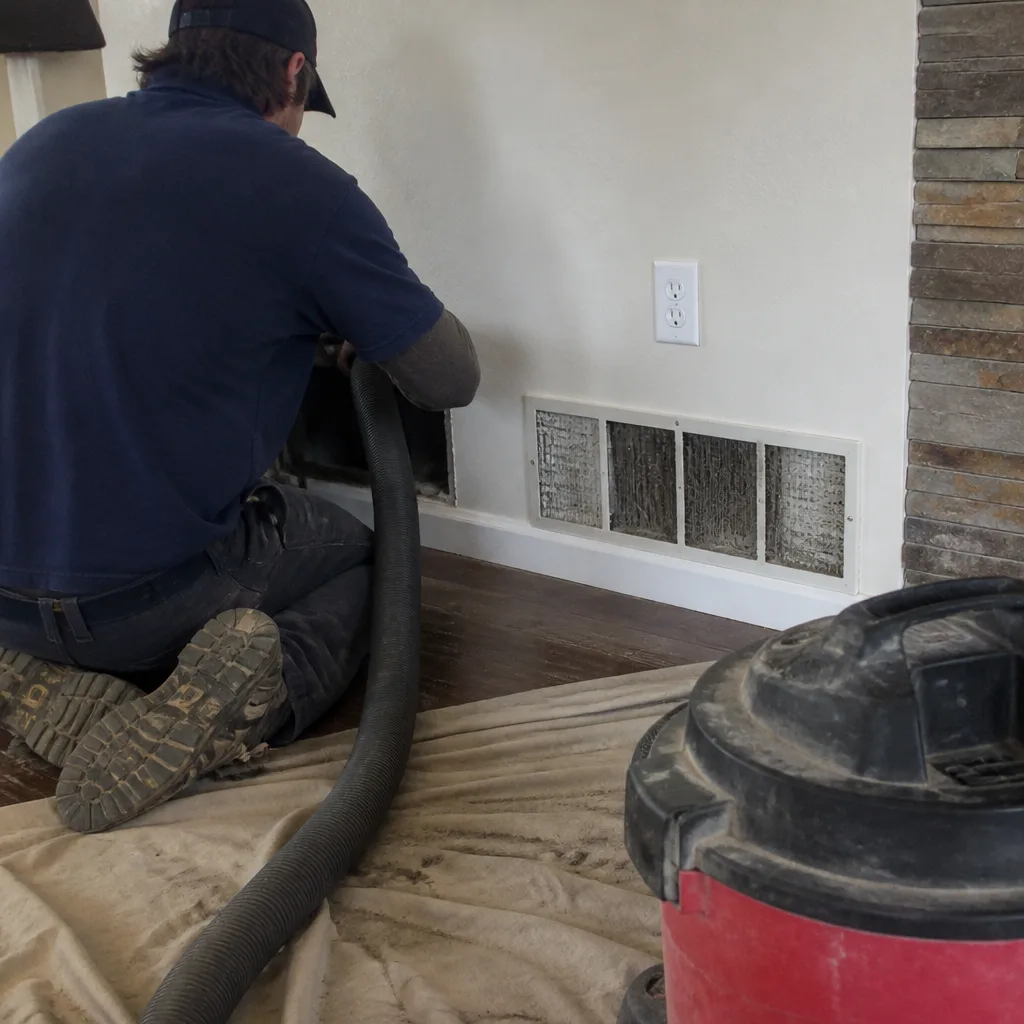 Before
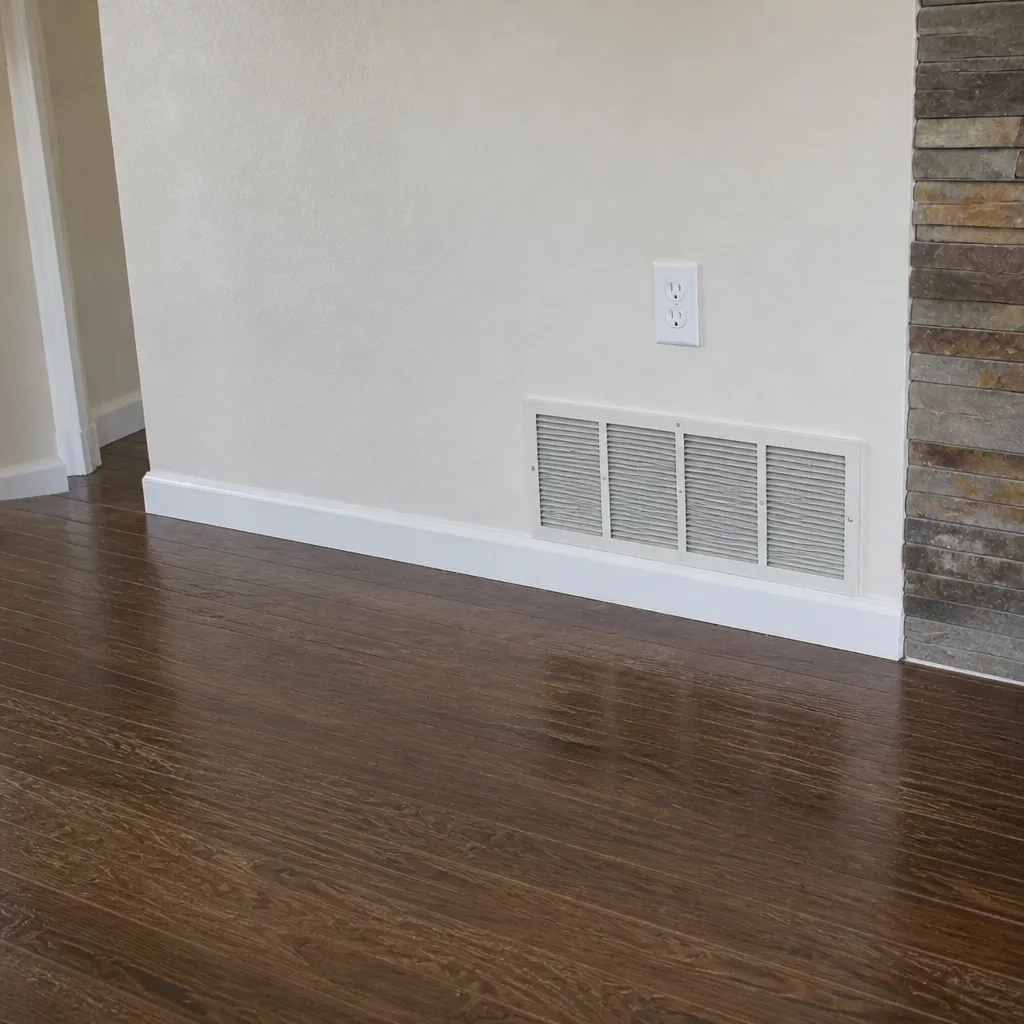 After
When to Call a Professional
Call a professional when the contamination lives inside a duct run you can’t reach, when there’s been a renovation or wildfire smoke event, when mold is suspected, when a room never feels clean, or when a system hasn’t been serviced in years and conditions have changed since. Those are jobs, and the equipment required is the reason. If you’re simply keeping up with register dust and filters, DIY maintenance is fine, and we’ll tell you so. Air Duct Cleaning Central Park offers free estimates in Central Park – call (833) 509-5525. The estimate is free and the price is set per job by the written estimate, agreed before any work starts.
Frequently Asked Questions
Pricing depends on the size of the system, the number of runs, and the scope of work. We don’t quote per-vent prices or teaser figures, because a thorough cleaning isn’t a per-register job. The written estimate you receive before any work starts sets the final price. Call (833) 509-5525 for an exact quote – estimates are free.
Usually because the job is smaller than it sounds. A low quote often reflects a shop vacuum and a grille wipe rather than high-airflow extraction with containment. Ask what equipment is used, whether dislodged debris is captured during the work, and whether duct sealing is part of the scope. Those answers explain the gap between quotes far better than the headline number does.
You can clean register faces and grilles, and you should keep up with filters, but a shop vacuum can’t extract settled debris from a long duct run. At 100 to 150 CFM against the resistance of 20-plus feet of duct, the airflow has weakened below what it takes to lift the material. You’ll clean what’s reachable and leave the rest.
There’s no fixed calendar answer. A system that was professionally cleaned recently may only need filter maintenance for a while. A system after a renovation, a wildfire smoke event, or a home purchase with unknown history is worth cleaning regardless of timing. Let conditions drive the decision rather than a schedule. If you’re unsure, call (833) 509-5525 – estimates are free.
Ask for before-and-after photos of your own ducts, taken during the service. Our technicians photograph the system as part of the job. That’s the most direct proof you can get, and any provider should be able to offer it.
We’re closed Saturday. We answer 24/7, and we dispatch Sunday through Friday, 7am to 7pm. Call (833) 509-5525 to schedule; a call outside dispatch hours is booked into the next opening, Sunday through Friday, 7am to 7pm.
The Bottom Line
The DIY-versus-professional decision comes down to physics, not effort or budget. A shop vacuum cleans the register face; a high-airflow professional system cleans the duct run, because that’s the difference between 100 and 4,000 CFM. DIY maintenance – grilles, filters, keeping returns clear – is worth doing and we’ll say so. But when the work is inside long runs, after a renovation, after wildfire smoke, or around suspected mold, the equipment is the reason to call. Our technicians have up to 15 years of experience with Rotobrush, Nikro, and Abatement Technologies systems, and we repair what we find, not just clean around it. Air Duct Cleaning Central Park covers cleaning, sealing, and sanitizing as one scope, with before-and-after photos and a satisfaction guarantee. Call (833) 509-5525 for a free estimate. We answer 24/7. Fast dispatch, 7am-7pm, Sunday through Friday.
Written by the team at Air Duct Cleaning Central Park.