
Last updated November 25, 2026
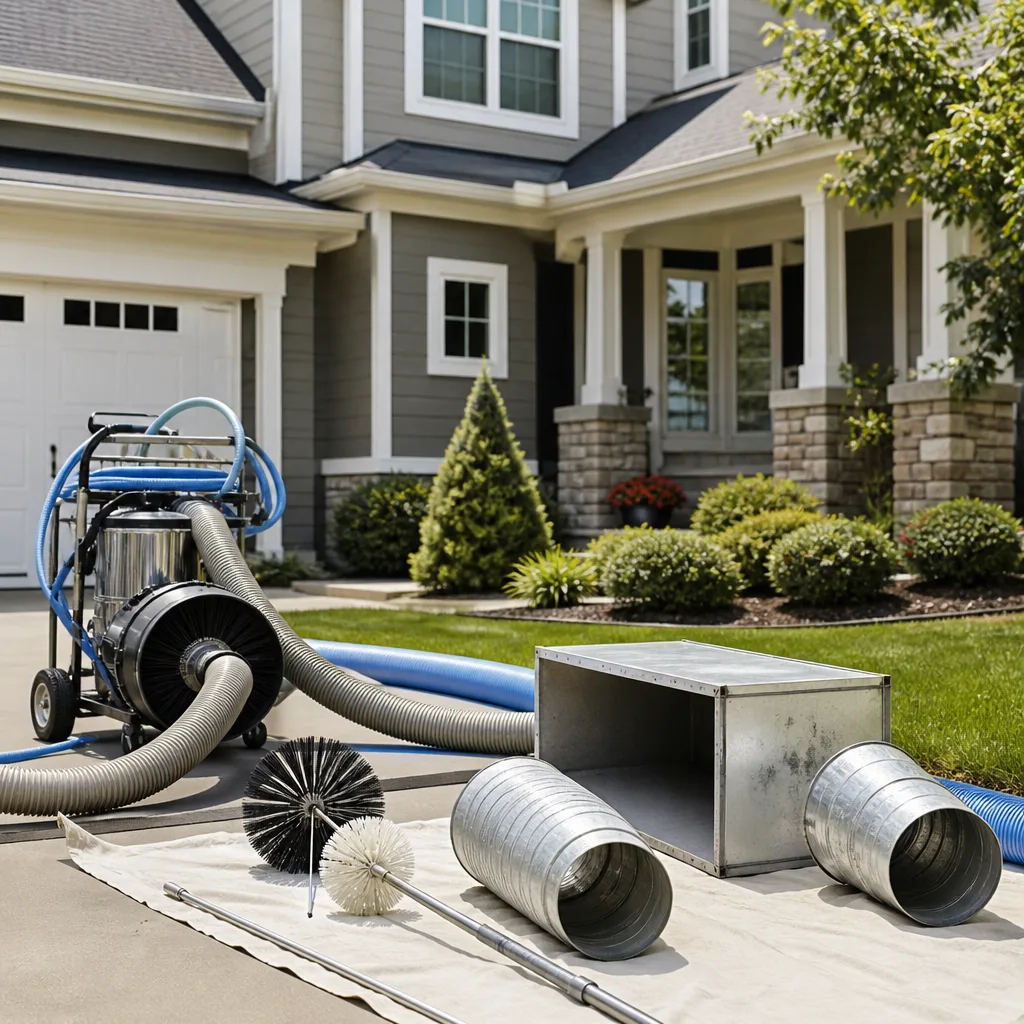 Whole-home duct cleaning
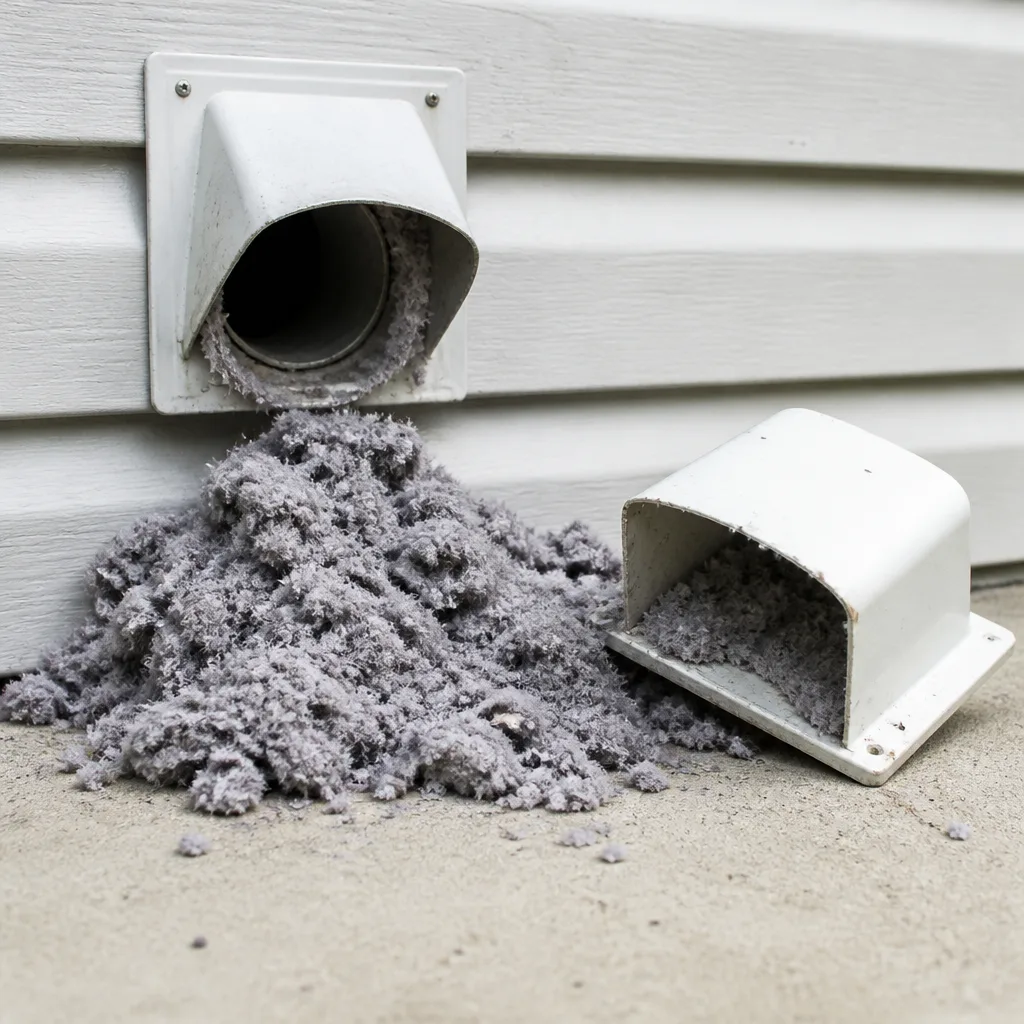 Dryer vent cleaning
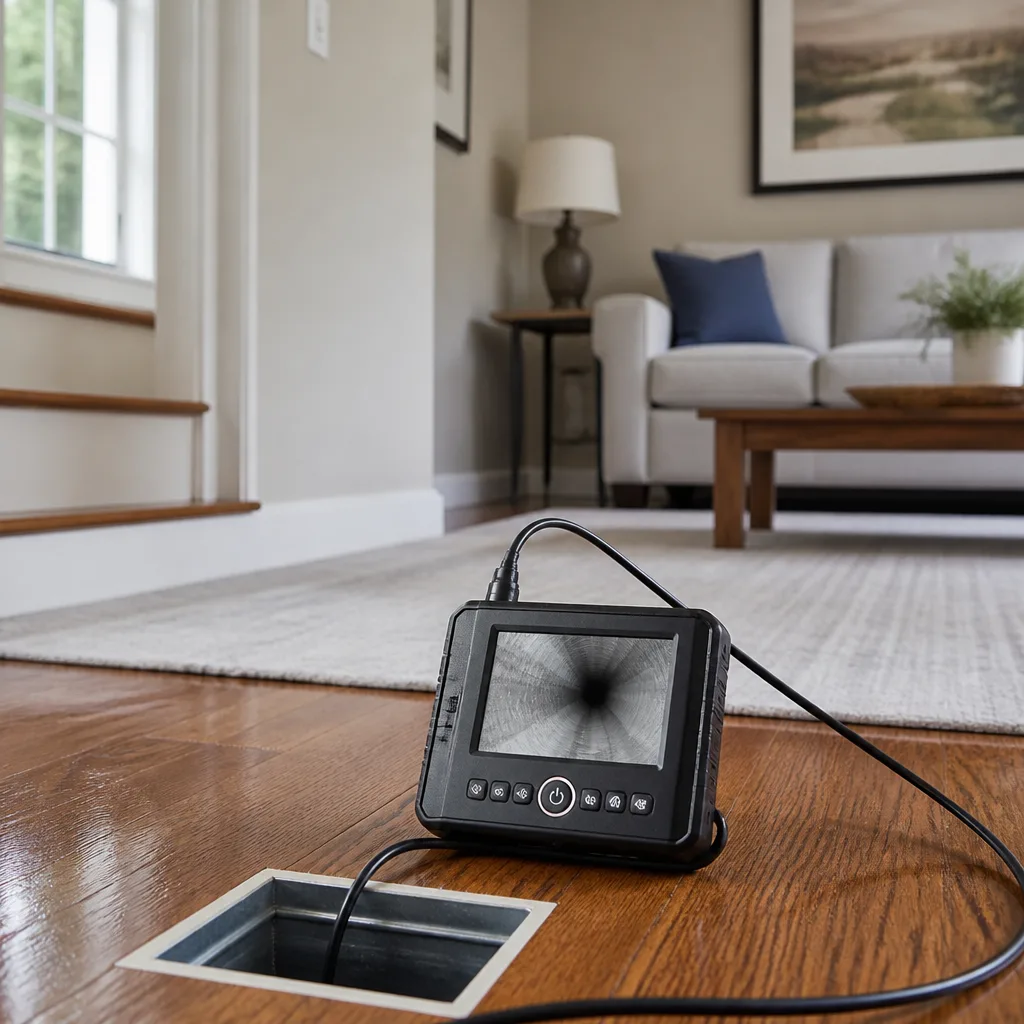 Camera inspection
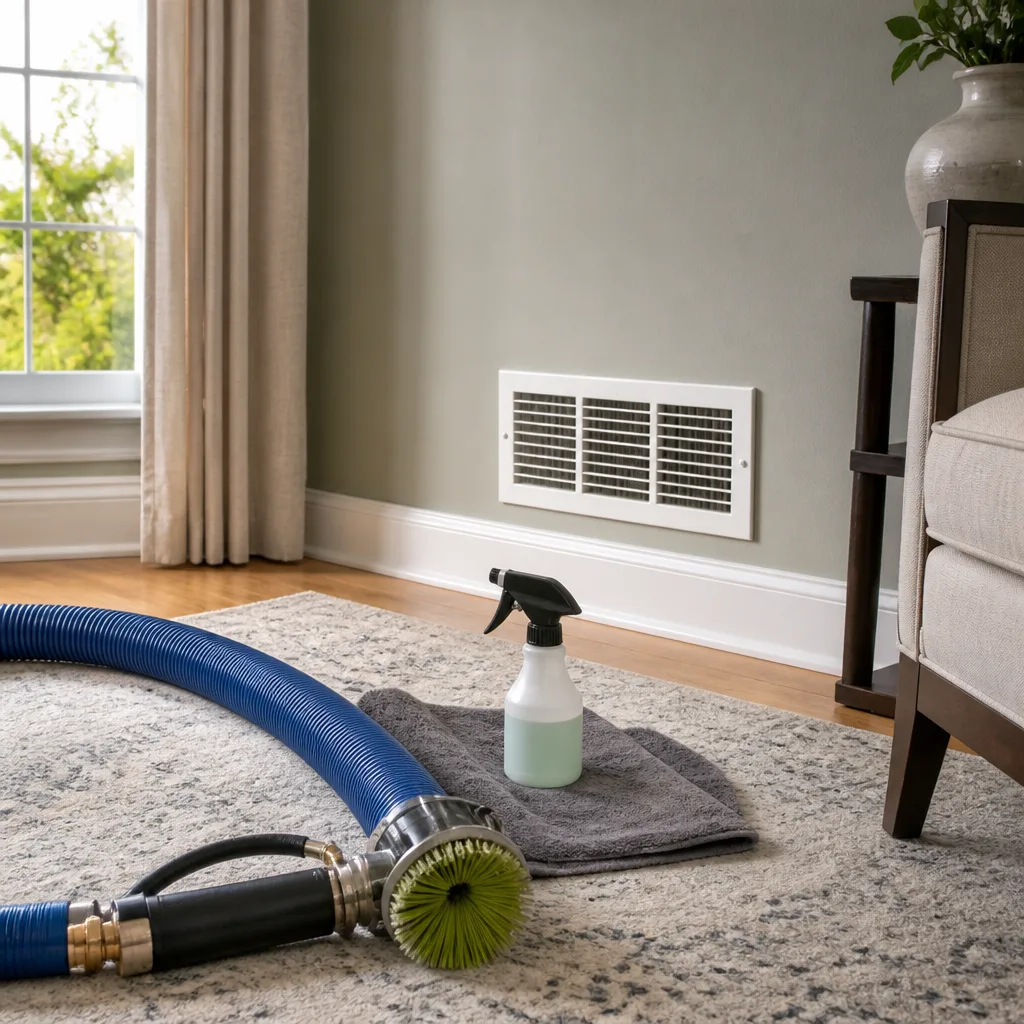 Sanitizing & deodorizing
Whole-system duct and dryer vent check with before-and-after photos - you see exactly what came out of your vents
That "$99 whole-house special" is a bait ad - the real number appears once they are in your hallway, or the "clean" is a shop-vac at the register. We photograph the inside of your ducts before and after instead.
Choosing the Right Air Duct Cleaning Brand: A Buyer’s Guide for Central Park
Most people who call around for duct cleaning in Central Park end up comparing the wrong thing. They compare company names, coupons, and how friendly the person on the phone sounds. Almost nobody asks the one question that actually predicts whether the job will work: what equipment is coming into my house? We’ve watched homeowners choose a lower quote built on a shop vacuum, then call us a year later because the dust came back. The difference between professional duct cleaning systems and repurposed contractor tools is physical, not cosmetic. This guide teaches you to evaluate a Central Park company by the machines it runs, so you can hire on capability instead of marketing.
Quick Answer
The right air duct cleaning company in Central Park is the one that can name its equipment, explain the three core machine categories it uses (a negative air machine, a rotary contact cleaning system, and HEPA filtration), and match its tools to your duct material. If a company won’t tell you what equipment it runs, filter rating, and rough airflow capacity, treat that silence as your answer. Brand reputation matters, but equipment specs matter more.
Styles & brands we work with
- Whole-home duct cleaning
- Dryer vent cleaning
- Camera inspection
- Sanitizing & deodorizing
Table of Contents
- What “brand” really means in duct cleaning
- The three equipment categories every real duct cleaning job requires
- How to research equipment brands before you hire
- Truck-mounted vs. portable units for Central Park homes
- The questions to ask about model, filter rating, and airflow
- Matching the tool to flexible and rigid metal duct
- When cleaning isn’t enough: sealing, sanitizing, and system-wide service
- What Central Park’s housing and seasons ask of a duct system
What “Brand” Really Means in Duct Cleaning
In nearly every other trade, a company’s brand is its own name. In duct cleaning, the word “brand” points to something more useful: the equipment manufacturer. The machine determines the physical capability of the crew before a single hose goes into a vent. A generic wet/dry vacuum from a hardware store and a rotary contact cleaning system are not the same tool at different price points. They do different things to the inside of a duct.
Professional duct cleaning equipment is engineered to published performance standards. The industry body for this work, NADCA (the National Air Duct Cleaners Association), sets expectations for how a cleaning system should perform. Equipment built for that standard is designed around containment, contact agitation, and controlled airflow. A contractor-grade vacuum is designed to pick up sawdust on a garage floor. Those two design goals do not overlap.
This is why we open conversations in Central Park with the machines, not the price. When a company can explain its negative air setup, its agitation tools, and its filtration, it’s telling you it understands the physics of the job. When it can’t, you’ve learned something before anyone arrives.
The practical takeaway is simple: ask for equipment names, then verify them. A company running professional systems from Rotobrush and Nikro, with filtration from a name like Abatement Technologies, is operating in a different category than a crew with an extension cord and a leaf blower. That categorization is the whole point of this guide. If you’d rather skip ahead and just book, start with our Air Duct Cleaning Central Park overview.
The Three Equipment Categories Every Real Duct Cleaning Job Requires
A legitimate duct cleaning setup in Central Park uses three categories of equipment working together. Miss one and the job either spreads contamination through the house or fails to actually remove debris. All three matter, and they do different jobs.
1. Negative Air Machines
A negative air machine is a high-volume vacuum that puts the duct system under negative pressure. In plain terms, it pulls the whole system into a controlled pull rather than letting dust float free. This machine is what keeps loosened debris moving toward the collection point instead of settling on your floor and furniture. Airflow capacity, measured in CFM (cubic feet per minute), is the spec that matters here. Higher CFM means the system can hold up under the load of a full cleaning.
2. Rotary Contact Cleaning Systems
Dust clings. Suction alone pulls what’s loose and leaves what’s stuck to the walls. A rotary contact cleaning system sends a spinning, air-driven or motor-driven brush and air whip through the duct to physically break the bond between debris and the duct wall. This is the step that actually cleans. Rotobrush systems are built around this principle, and it’s why the name comes up in almost every professional conversation about duct work.
3. HEPA Filtration
HEPA filtration is the containment layer. It filters the exhaust air from the cleaning system so fine particulate doesn’t re-enter the living space. During cleaning we also deploy Abatement Technologies air filtration on-site, which is designed to prevent cross-contamination in the home while work is in progress. Without that layer, you’re agitating dust indoors with no backstop.
Here’s a quick reference for what each category does:
- Negative air machine: pulls the system into controlled pressure; the CFM rating tells you how much air it can move.
- Rotary contact cleaning system: agitates the duct wall to break up clinging debris; the tool you actually clean with.
- HEPA filtration: captures fine particulate on the exhaust side; protects the air you’re breathing during the job.
If a company describes their process but can’t name all three, ask why. The answer usually tells you what’s missing.
How to Research Equipment Brands Before You Hire
You don’t need to be an HVAC technician to check a brand. You need ten minutes, a search bar, and a willingness to ask. Brand research in this trade is mostly about finding out what a machine was designed for. Manufacturers publish their own specs. That’s your reference.
Here’s a step-by-step approach:
- Get the equipment name from the company. Ask directly: “What negative air machine do you use, and what rotary system?” A company confident in its tools will name them without hesitation.
- Search the manufacturer’s site. Look up the machine on the maker’s own site. Rotobrush is built specifically for duct cleaning and marketed to HVAC contractors. Nikro produces professional cleaning equipment used in the trade. Both are designed for duct cleaning, not repurposed from another industry.
- Check what the machine was designed for. A rotary contact system and a shop vac both move air, but only one was engineered to agitate duct walls under negative pressure. Look at the manufacturer’s stated use case.
- Ask about filtration brands. Abatement Technologies is known for air filtration equipment used during abatement and remediation work. If a company uses that filtration on-site, it’s a signal that they’re treating containment as a real step.
- Ask whether the brand names come with certification. A brand name doesn’t automatically mean a company is certified on that system. Ask plainly: “Are your technicians trained on this equipment?”
In our experience, Central Park homeowners who do this five-minute check come back with better quotes and better questions. The company that names its Rotobrush system and its Abatement filtration up front is usually the one that also has a clear process, a written estimate, and before-and-after photos of your own ducts.
One more note on brand research: a name is not a certificate. Companies sometimes claim a brand relationship they don’t have. Ask for confirmation rather than assuming. A good operator will welcome the question, not dodge it.
Truck-Mounted vs. Portable Units for Central Park Homes
Central Park has a lot of single-family homes with longer duct runs than you’d find in a compact urban apartment building. Longer runs need more sustained airflow to reach the far registers and move debris back to the collection point. That’s where the truck-mounted vs. portable decision starts to matter.
A truck-mounted system generates higher, steadier suction than a portable unit. It typically uses a large vacuum pump tied to the vehicle’s engine, and it can be parked outside while its hose runs to the system. That’s a real advantage for longer duct runs, because the machine doesn’t lose suction as it pushes down the line.
Portable units aren’t automatically worse. A well-built portable negative air machine from a professional name can clean smaller homes and tighter systems effectively. But when the ductwork spans a full house with multiple branches, a portable unit sometimes struggles to maintain negative pressure at the far end of the run.
What should you actually ask? Here’s what we’d want to know if we were the customer:
- Which machine are you bringing, and is it truck-mounted or portable?
- What’s the CFM rating on the unit you’ll use on my home?
- How many hoses or trunk lines will you run to reach the full system?
- Do you use a rotary contact cleaning system for the branch runs?
- What filtration protects the indoor air while the truck runs?
Truck-mounted systems are not a universal requirement, and a company with a strong portable setup can do excellent work. But when a Central Park home has several branches and a long central trunk, the machine’s ability to hold suction to the last register is the spec that separates a complete job from a partial one. If your home runs large, ask for it directly. For a fuller look at what a scheduled service visit involves, our page on air duct cleaning walks through the process step by step.
The Questions to Ask About Model, Filter Rating, and Airflow
This is the part where you either learn a lot or learn what a company is hiding. The questions themselves are simple. The skill is in reading the answers. Here’s a working list, along with the signals behind each one.
- “What model of negative air machine will you use?” A real answer names a specific machine. A vague answer (“a commercial vacuum”) tells you they either don’t know their tools or don’t want you to check.
- “What’s your filter rating?” HEPA filtration is the standard. If they can’t tell you the filter class, that’s a problem. HEPA is a specific term with a specific definition, and it’s not interchangeable with “fine mesh.”
- “What CFM does the unit produce?” Cubic feet per minute is the throughput number. Higher is generally better for large systems. What you’re really testing is whether they know the spec at all.
- “What rotary system do you use for the duct walls?” Suction alone leaves the walls. Ask specifically how the tool scours the interior of the duct.
- “What filtration protects my indoor air while you work?” Ask about in-home containment. If they’re using a branded air filtration system, ask which one.
- “Will you take before-and-after photos of my ducts?” This is the proof step. A company confident in its work photographs its own results.
- “Do you give a written, fixed-price estimate before you start?” The written estimate should set the price. Anything else invites a surprise invoice.
How to interpret the answers: you’re looking for specifics, not reassurances. “We use a Rotobrush system and we run HEPA filtration during every job” is an answer. “We’ve been doing this a long time and we know what we’re doing” is a deflection. The second answer isn’t hostile. It just doesn’t tell you whether the job will actually work.
One more question worth asking: “Is the price the same whether I ask now or at the door?” A fixed, per-system price agreed in writing is your best protection against the classic bait-and-switch, where a low teaser number turns into a much larger bill once the technician is on site. Ask it up front. Write it down.
Matching the Tool to Flexible and Rigid Metal Duct
Ductwork in Central Park homes comes in two main materials, and they respond differently to cleaning tools. Getting this wrong isn’t just inefficient. It can damage the duct. A tool that’s right for rigid metal is wrong for flexible duct, and vice versa.
Rigid metal duct is the sheet-metal work most people picture. It handles aggressive contact tools well, including rotary brushes and air whips designed to scour the walls. Because the metal is structurally rigid, the tool can push against it without deforming the duct. That makes rigid metal the easier material to clean thoroughly.
Flexible duct is the corrugated, flexible line often used on branch runs and shorter offsets. It’s more delicate. A rotary brush with the wrong head can tear the inner liner. The right tool for flexible duct is gentler and matched to the material: less aggressive agitation, correct brush diameter, careful pressure. A company that shrugs when you ask about flexible duct is telling you they don’t differentiate their tools.
The practical question for any company:
- “What tool do you use on flexible runs, and what brush diameter is it rated for?”
- “How do you avoid tearing the inner liner on corrugated duct?”
- “Can you tell me the material type in my system before you start?”
The tool-matches-material principle applies across the system. Dryer vents have their own requirements, HVAC coils have their own tools, and duct sealing is a separate process from cleaning. We describe the full range of services in our dryer vent cleaning and HVAC cleaning pages, but the unifying idea is that the right tool for the job exists, and the wrong one causes damage you’ll pay for later.
If a Central Park company can’t tell you the duct material they’ll encounter before they start, ask them to check before the job. It’s a quick visual step. It’s also the difference between a careful cleaning and an expensive repair.
When Cleaning Isn’t Enough: Sealing, Sanitizing, and System-Wide Service
Here’s the part most duct cleaning quotes skip. Cleaning removes what’s inside the duct. It doesn’t fix the duct itself. If the duct has loose joints, disconnected sections, or gaps at the registers, the system loses air and pulls contaminated air back in. Cleaning without sealing is a temporary fix on a structural problem.
That’s why we offer Duct Repair & Sealing as a separate service. When we inspect a system and find a structural issue, we repair what we find rather than cleaning around it. Sealing matters for two reasons: it stops conditioned air from leaking into the attic or crawl space, and it stops outside contaminants from re-entering the system through the gaps. Cleaning a leaky system without sealing it is like cleaning a room with a hole in the wall.
Air Quality & Sanitizing is the third layer. After cleaning, and after any needed repairs, we can apply sanitizing products using Guardsman-grade formulations for a treatment designed to address microbial growth. That’s a separate step from cleaning, and it’s appropriate for some homes and unnecessary for others. We don’t lead with it. We recommend it when the inspection shows a reason.
The system-level view extends to the products we recommend for ongoing indoor air quality. We partner with Honeywell and Aprilaire product lines, which lets us recommend and install trusted filtration and humidity equipment when the cleaning visit reveals that the home would benefit. That’s not a sales pitch. It’s a practical extension of the same logic: clean the system, repair what’s damaged, and address what’s released into the air.
This full-system approach is what we mean when we say we cover the whole indoor air system: ducts, dryer vents, HVAC, duct integrity, and sanitizing. A company that only cleans ducts is offering you one piece of a larger job. A company that can handle all five categories is one you can call once, with a single point of responsibility.
What Central Park’s Housing and Seasons Ask of a Duct System
Central Park, CO has a housing mix and a seasonal rhythm that put real demands on a duct system. Single-family homes on longer runs, seasonal temperature swings that keep the HVAC running through long stretches, and homes where the system has likely gone a while without a full cleaning all point toward the same conclusion: this isn’t a place where a surface-level vacuum job cuts it.
In our experience working in Central Park, we see the same pattern repeatedly. A homeowner’s system has never had a deep cleaning, the filter has been changed regularly, and it still feels like dust is everywhere. When we inspect, the debris is bonded to the duct walls, not loose in the airstream. That’s a job for a rotary contact system. A standard vacuum does nothing to that layer.
The dryer vent is another Central Park-specific concern. Clothes dryer vent lines that run long and bend several times accumulate lint in the bends. Cleaning those is a different job from clearing a straight run, and it needs a tool that can reach the bends without damaging the line. That’s why we handle dryer vents as their own service, with their own tools.
The right seasonal window is a matter of your home’s comfort. If you notice more dust when the system runs, or your family complains of allergy symptoms that seem worse indoors, or the house was recently renovated or purchased, those are good reasons to book a full-system inspection and cleaning rather than a quick vacuum. Central Park’s climate gives the system plenty to work with. The equipment you choose decides whether the work actually clears it out.
Common Mistakes to Avoid
- Choosing on price alone. A quote that’s dramatically lower almost always reflects a lighter machine. A shop vacuum cannot do what a rotary contact system does, no matter how skilled the operator. Compare equipment lists, not just dollar figures.
- Accepting a per-vent price. Per-vent pricing invites a low headline number and a much larger total once the technician counts the vents. Ask for one flat price per system, agreed in writing before work starts.
- Not asking for before-and-after photos. A company confident in its work will photograph your own ducts. If they won’t, ask why. You have a right to see what was actually removed.
- Letting a flexible duct line get the wrong tool. A rotary brush sized for rigid metal can tear the inner liner on corrugated flexible duct. Ask whether they check duct material before choosing a tool.
- Skipping the sealing step. Cleaning a leaky system leaves the gaps that let contaminated air back in. Central Park homes with older ductwork often need Duct Repair & Sealing, not just cleaning.
- Trusting a brand name without confirming it. Brand names are a signal, not a guarantee. Ask whether the company’s technicians are trained on the specific equipment they claim to use.
- Booking without a written estimate. If the price isn’t in writing before the crew arrives, you have no protection against a surprise charge. The written estimate sets the final price. Get it first.
See the difference
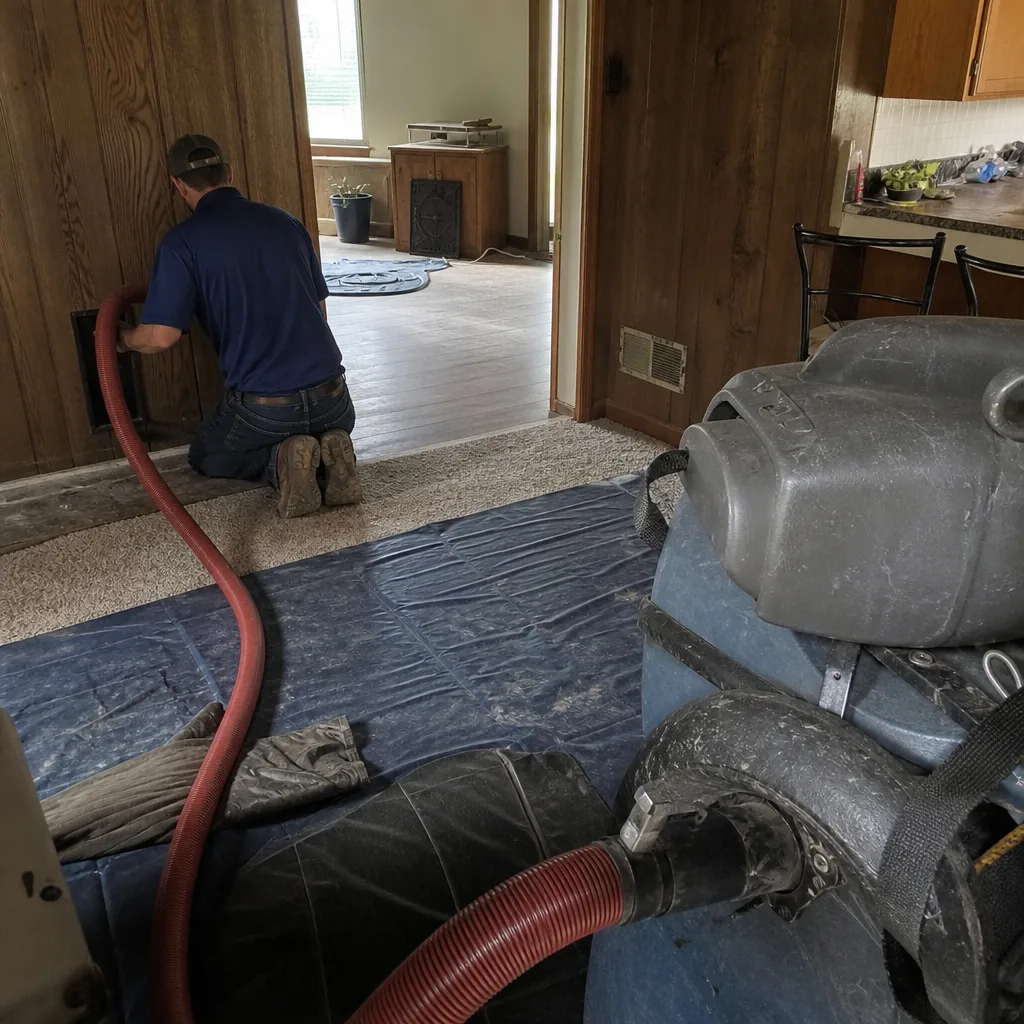 Before
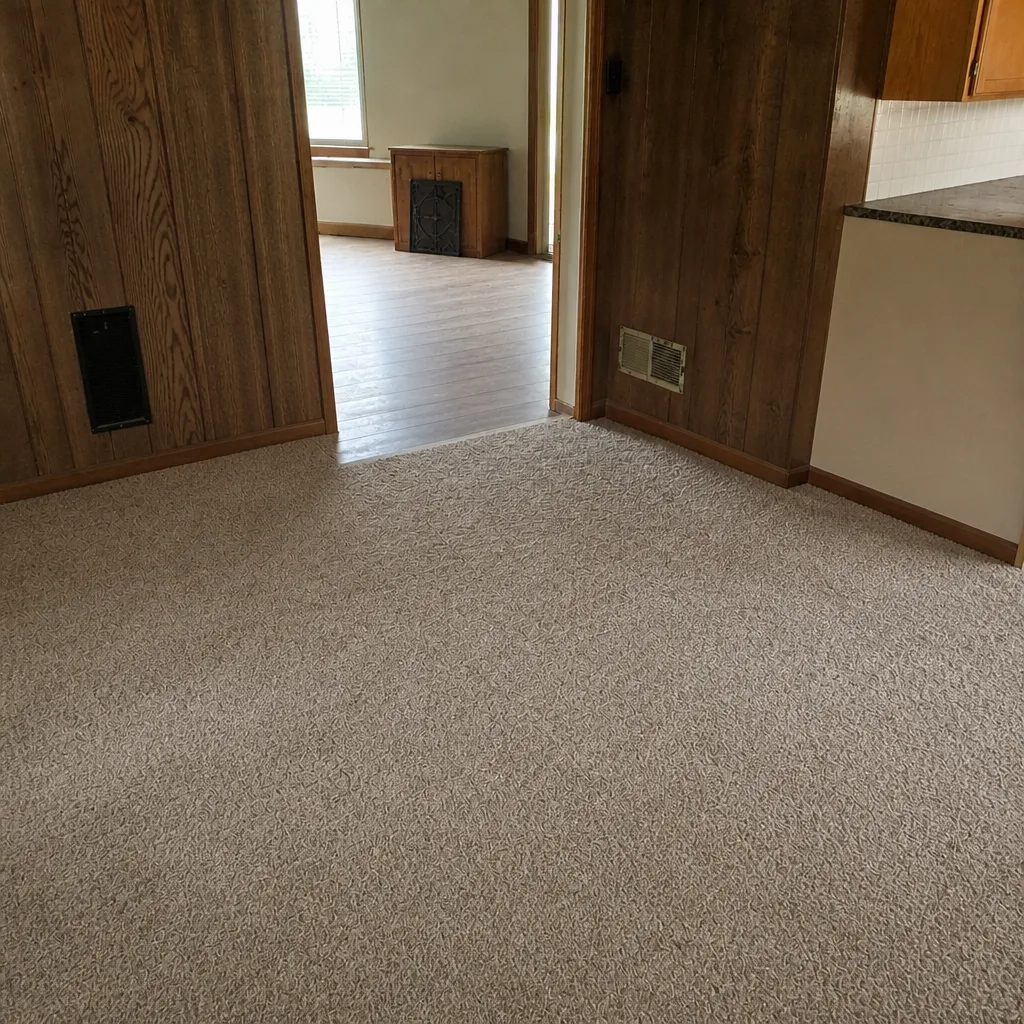 After
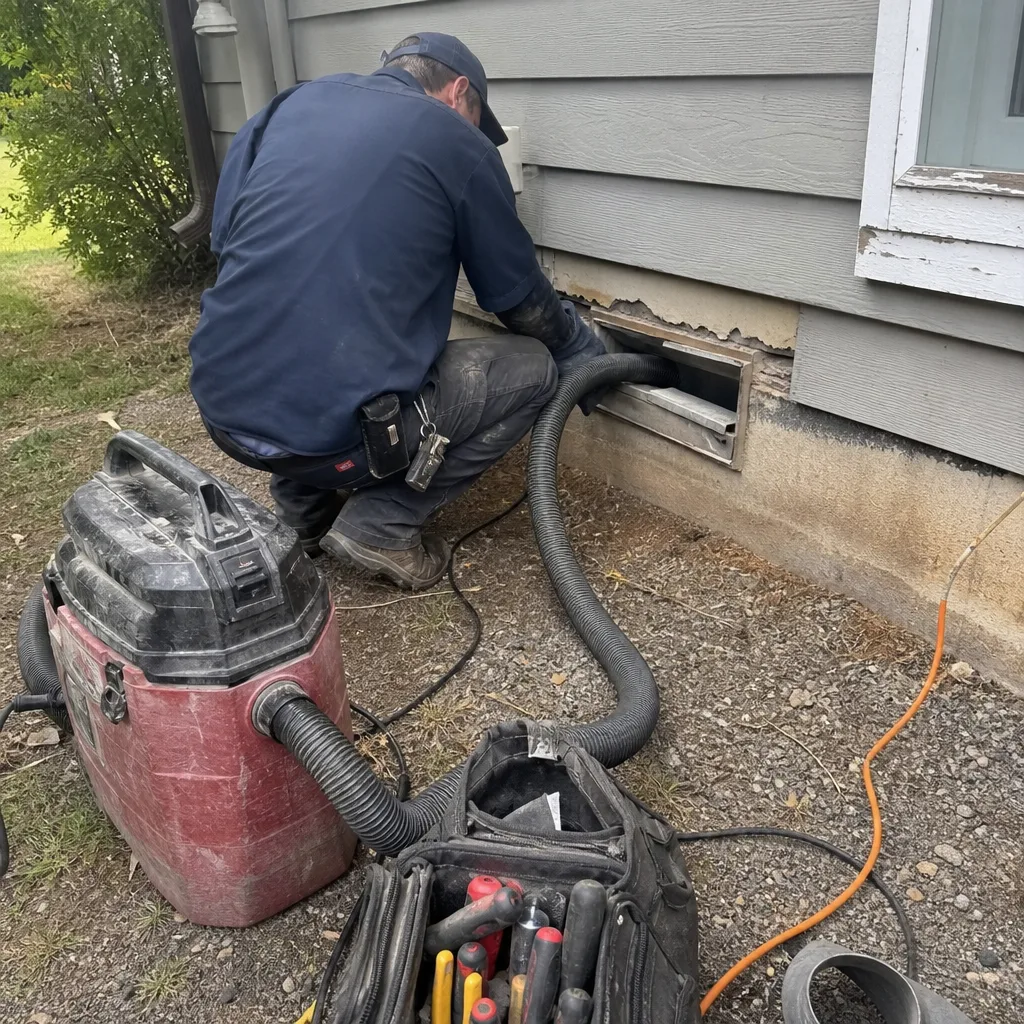 Before
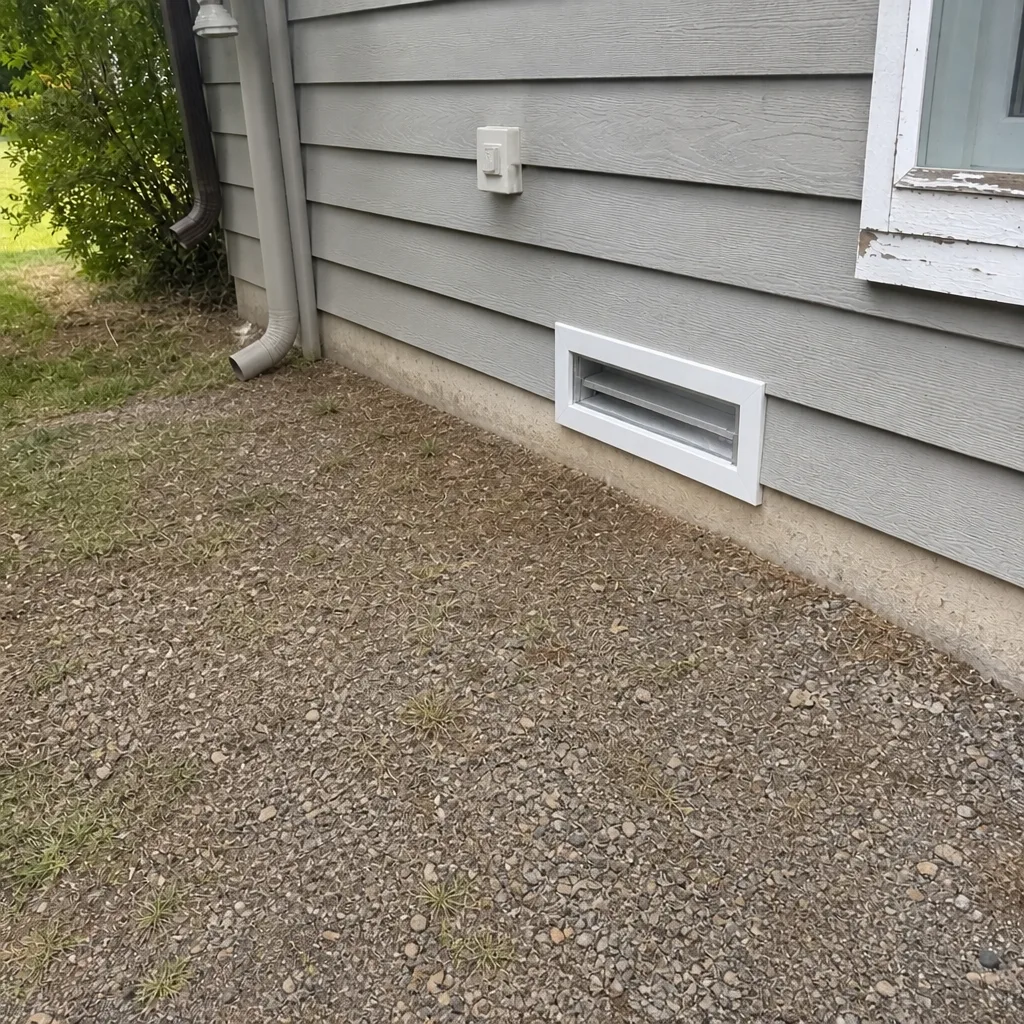 After
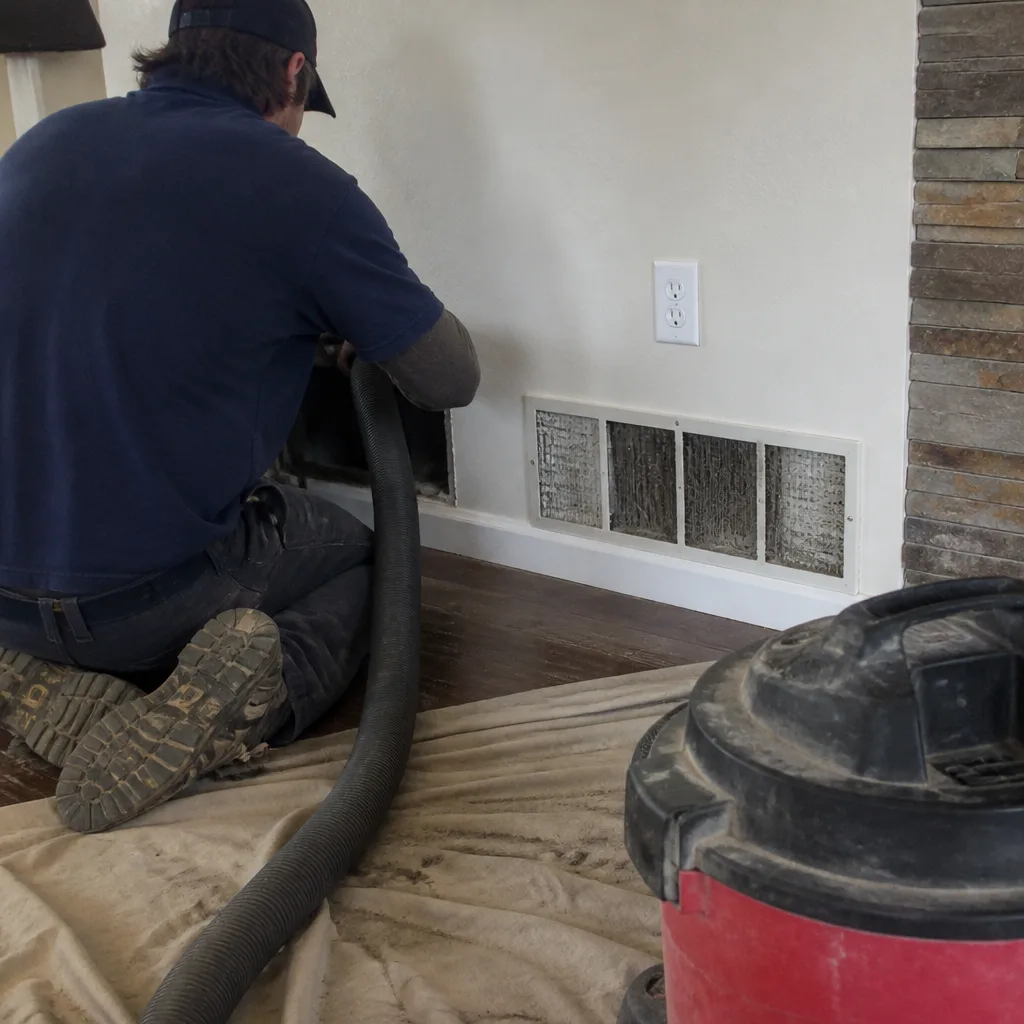 Before
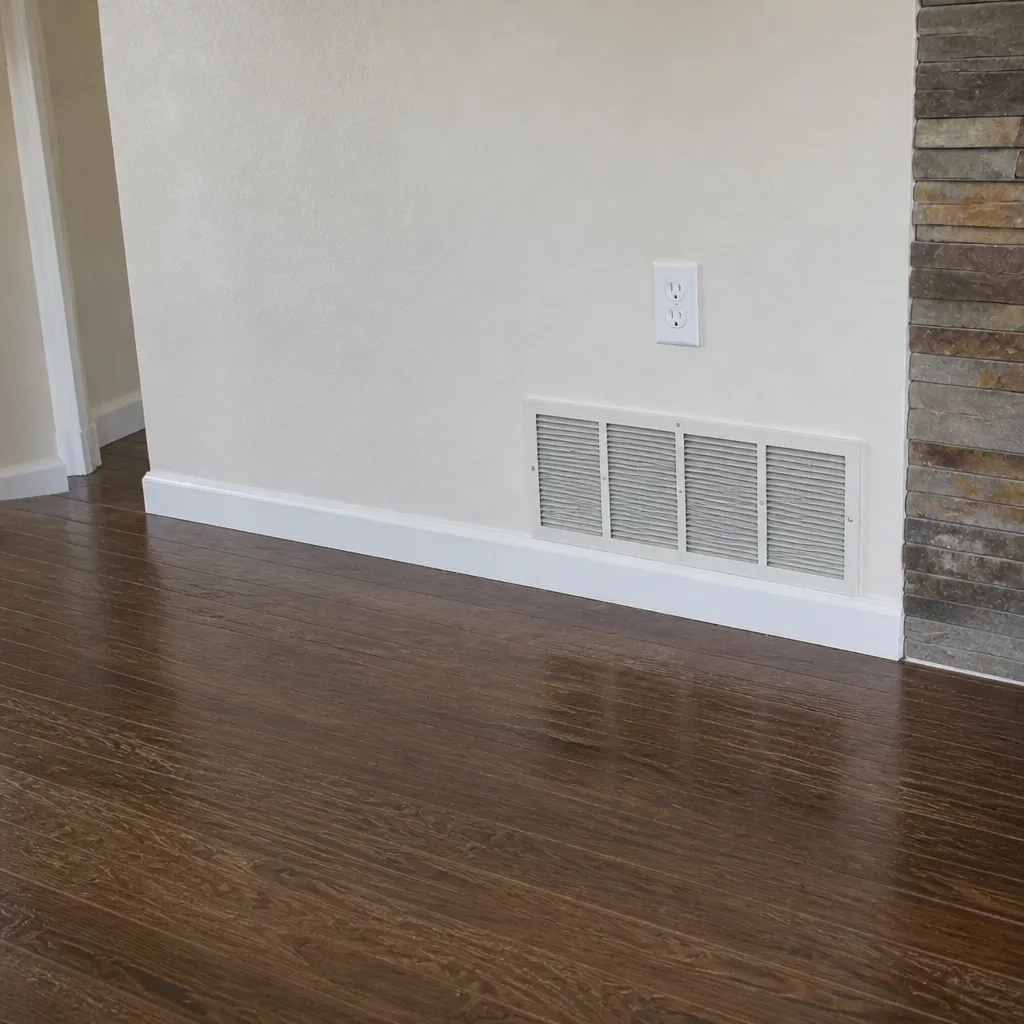 After
When to Call a Professional
Some situations are worth a professional look even if you haven’t noticed a problem yet. If you’ve recently moved into a Central Park home and you don’t know when the system was last cleaned, a full-system inspection is a reasonable first step. If a renovation just finished, drywall dust and construction debris can settle into the duct walls and need contact cleaning, not just a vacuum. If someone in the house has allergies or respiratory symptoms that seem worse indoors, the system is worth checking. If the house has visible dust streaks at the registers, that’s a sign the system is moving debris rather than removing it. And if your dryer takes longer than it used to, the vent is worth inspecting.
Air Duct Cleaning Central Park offers free estimates in Central Park. Call (833) 509-5525. We answer 24/7. Fast dispatch from 7am to 7pm, Sunday through Friday. We run professional equipment, give you a written estimate before work begins, and photograph the before and after on every job.
Frequently Asked Questions
Professional air duct cleaning uses three categories of equipment: a negative air machine to put the system under controlled pressure, a rotary contact cleaning system to agitate and break loose debris on the duct walls, and HEPA filtration to contain fine particulate during the job. Equipment from Rotobrush and Nikro falls into the professional category; a shop vacuum does not. If a company can’t name their equipment, that’s a reason to keep asking.
It’s priced per system, not per vent, and the written estimate sets the final price. Call (833) 509-5525 and we’ll give you an exact figure for your home, including whether the system needs Duct Repair & Sealing alongside the cleaning. Estimates are free, and we agree the price before any work starts.
Cheap quotes usually come from a lighter machine. A company that’s running a portable shop vacuum instead of a rotary contact system has less capability, and the price reflects that. Cheaper quotes also sometimes turn into a much higher bill once the technician is on site. Ask about the equipment, ask for a written price, and don’t compare quotes from companies with very different tools. Call (833) 509-5525 for an honest system price.
Ask for before-and-after photos of your own ducts. A company confident in its cleaning will photograph the system before it starts and after it finishes. We do this on every Central Park job. If a company won’t show you the results, that tells you something. Call (833) 509-5525 and we’ll explain how to review the photos when we’re finished.
Yes. Flexible duct has a corrugated inner liner that can tear if it’s cleaned with an aggressive rotary brush sized for rigid metal. Rigid sheet-metal duct can handle firmer contact tools. A professional crew checks the duct material before choosing a tool. Ask any Central Park company what they use on flexible runs, and see whether the answer is specific.
There’s no single interval that fits every home. A reasonable baseline is to have the system inspected every few years, and to clean sooner when there’s a specific reason: a recent renovation, a move into a home with an unknown service history, allergy concerns, or visible dust at the registers. A full-system inspection tells you more than a calendar. Call (833) 509-5525 for an inspection and a written estimate.
The Bottom Line
The right Central Park duct cleaning company is the one you can evaluate on its equipment, not its marketing. Ask for the machine names. Ask for the filter rating and the airflow spec. Ask whether the tool is matched to your duct material. Ask for a written, fixed price per system and before-and-after photos of your own ducts. When the answers are specific, you have a real quote. When they aren’t, you’ve still learned something useful. Air duct cleaning in Central Park is a technical job, and the crew with the right machines is the crew built to do it properly. We’re here to answer the equipment questions before you book: call (833) 509-5525 for a free estimate. We answer 24/7. Fast dispatch from 7am to 7pm, Sunday through Friday. Our technicians have up to 15 years of experience.
Written by the team at Air Duct Cleaning Central Park.