
Last updated November 25, 2026
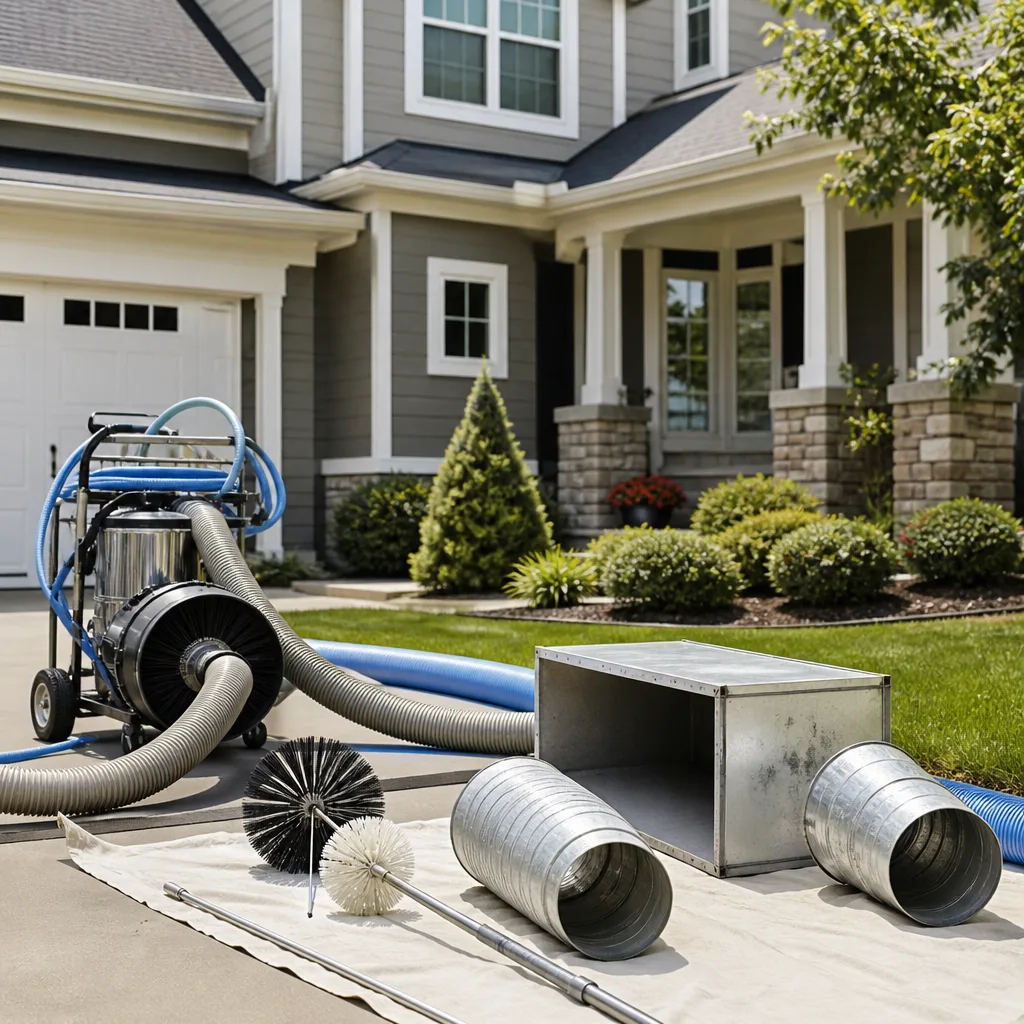 Whole-home duct cleaning
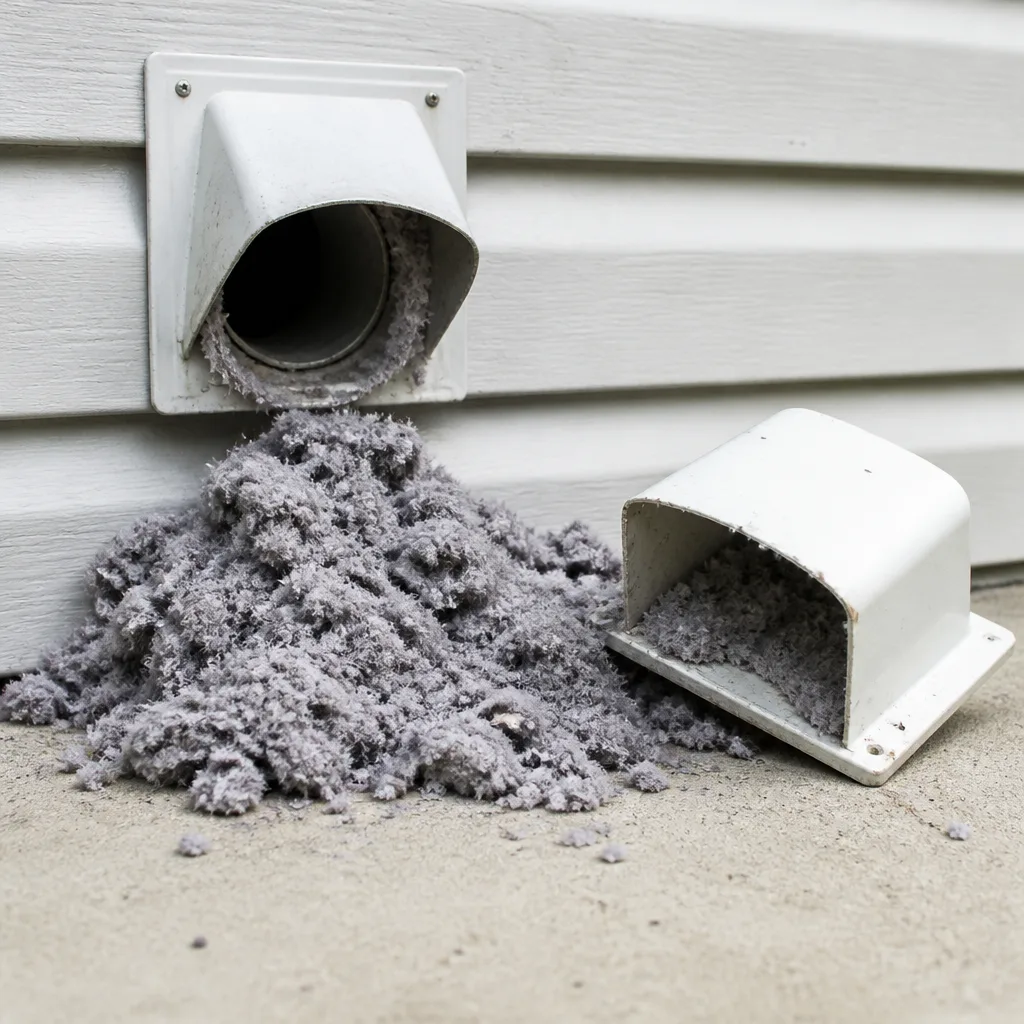 Dryer vent cleaning
 Camera inspection
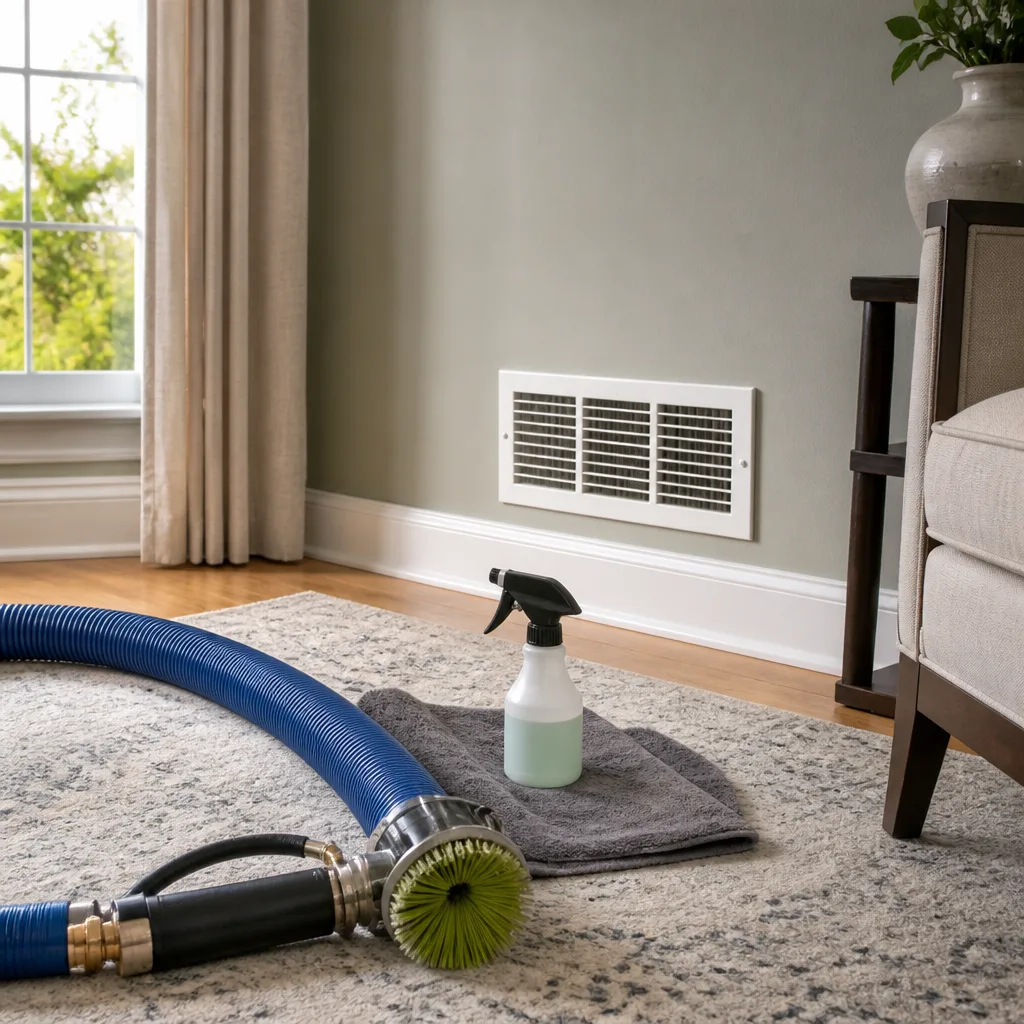 Sanitizing & deodorizing
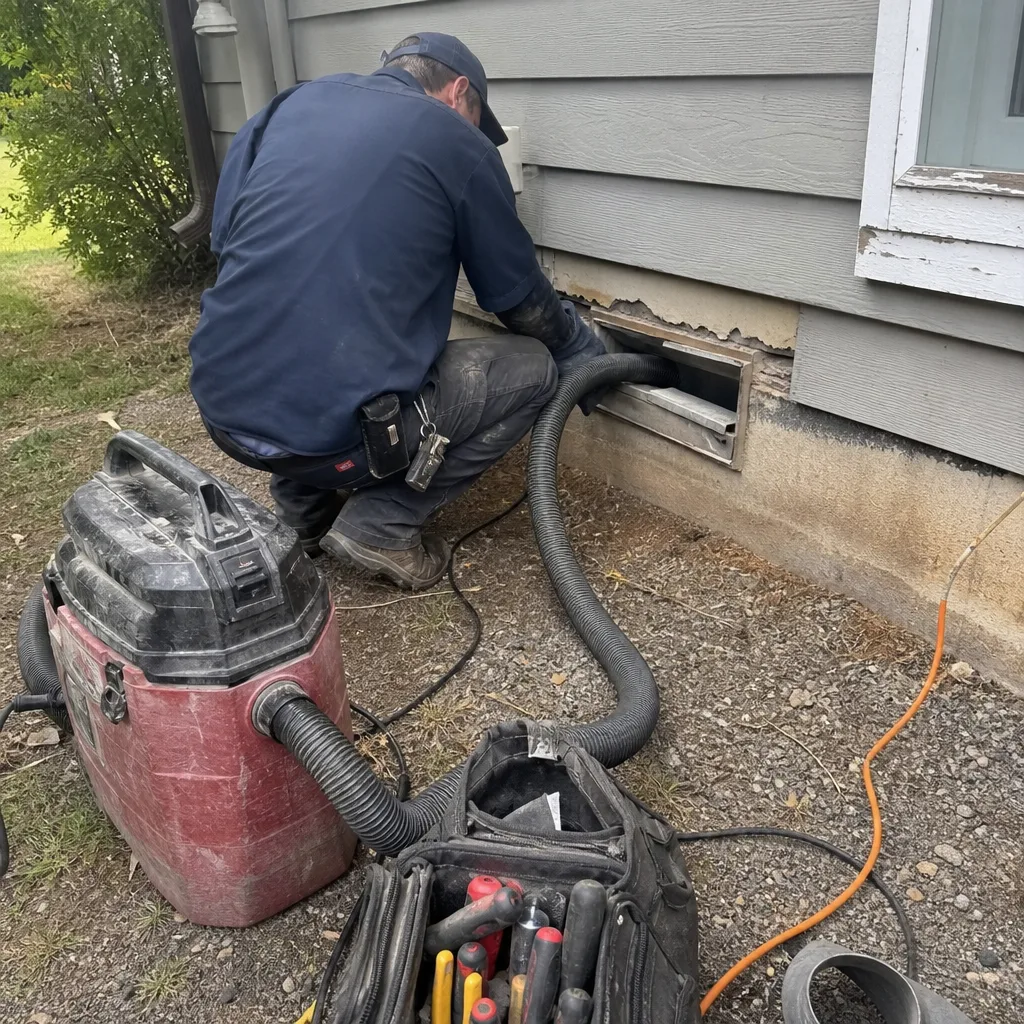
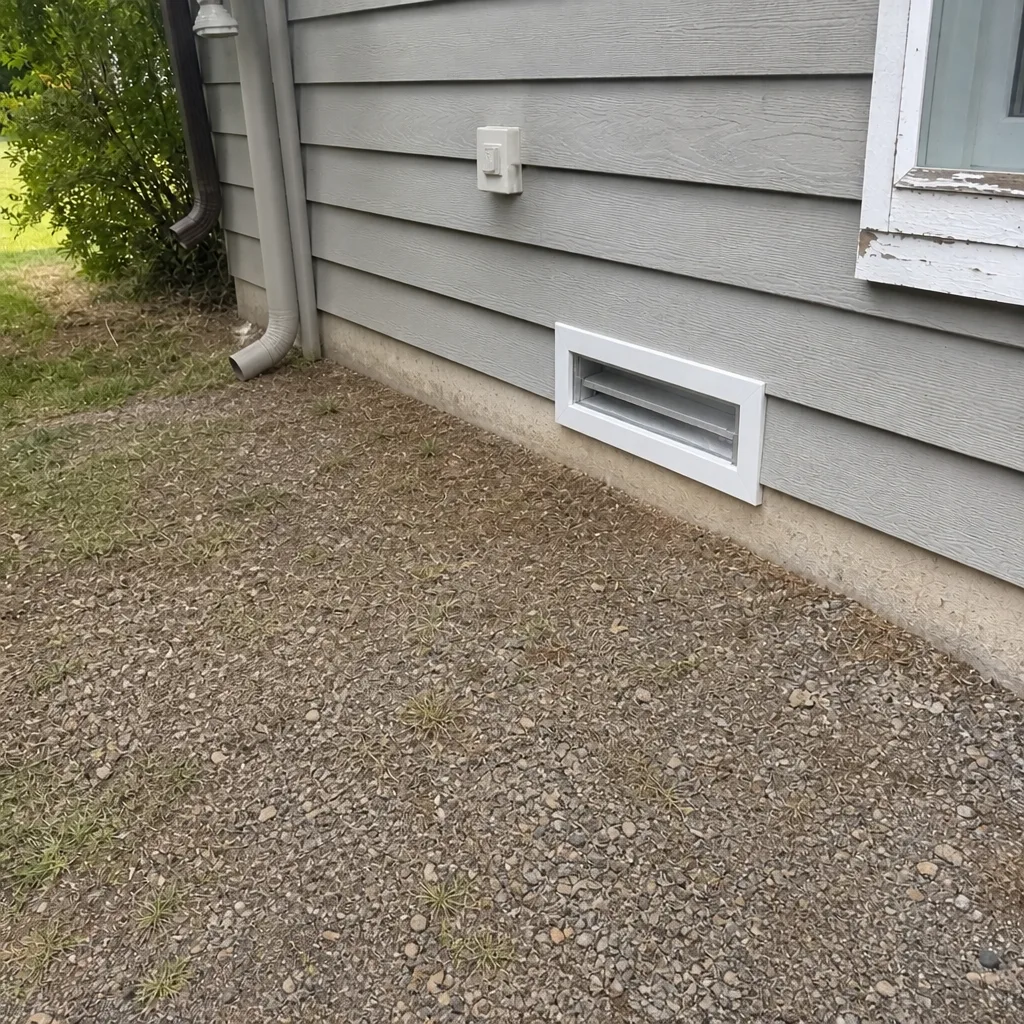
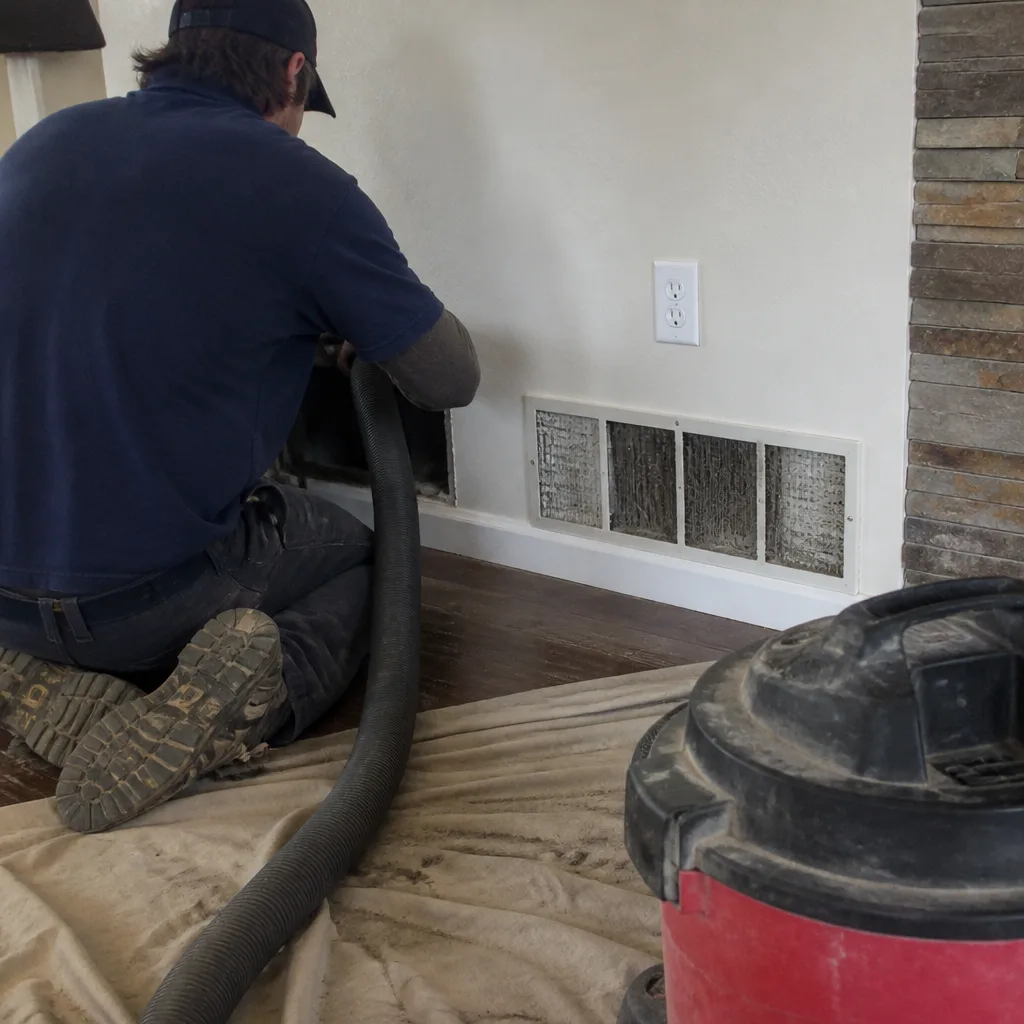
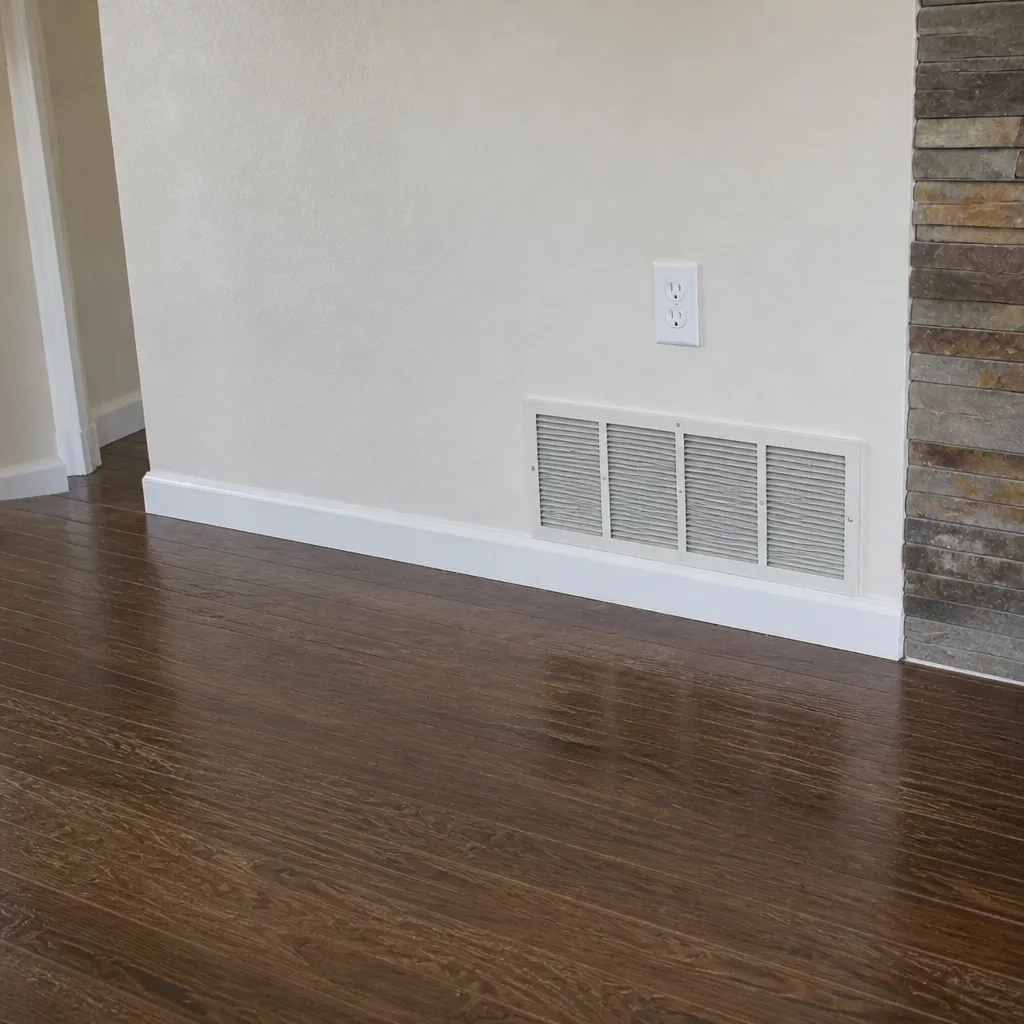
Whole-system duct and dryer vent check with before-and-after photos - you see exactly what came out of your vents
That "$99 whole-house special" is a bait ad - the real number appears once they are in your hallway, or the "clean" is a shop-vac at the register. We photograph the inside of your ducts before and after instead.
Seasonal Air Duct Cleaning Care for Central Park: Year-Round Homeowner’s Guide
Most homeowners treat duct cleaning as a single annual event, something to cross off a list and forget. That approach misses what’s actually happening inside the system. Central Park’s four seasons stress your ducts in four completely different ways, and the debris that builds up in July is nothing like the debris that builds up in January. Summer wildfire smoke deposits fine particulate on duct walls. Winter’s dry, static-heavy air pushes dust into circulation in a different pattern. Spring’s first HVAC restart stirs up everything winter left behind. This guide walks through what each season does to your system and how to build a rolling 12-month plan that matches Central Park conditions, not a generic national schedule.
Quick Answer
The right seasonal duct care plan for Central Park follows the local climate: inspect and clean in early spring before restarting cooling, use HEPA-rated extraction after wildfire smoke season in late summer, check for moisture and seal gaps before the house closes up in fall, and manage filter cycling and static through winter. One deep professional cleaning per year, timed around these seasons, handles the heavy work. The rest is inspection and filter management you can do yourself.
Styles & brands we work with
- Whole-home duct cleaning
- Dryer vent cleaning
- Camera inspection
- Sanitizing & deodorizing
Table of Contents
- Why Central Park Seasons Stress Ducts Differently
- Spring: The High-Risk Restart
- Summer: Wildfire Smoke and HEPA Extraction
- Fall: The Pre-Heating Inspection Window
- Winter: Low Humidity and Static Dust
- Building Your 12-Month Duct Health Calendar
- Common Mistakes to Avoid
- When to Call a Professional
Why Central Park Seasons Stress Ducts Differently
Central Park sits at roughly 5,400 feet in a high-fire-risk corridor. That elevation and geography do more than make for dramatic weather. They change what lands inside your ductwork and when.
At altitude, the air is thinner and holds less moisture. Homes here run heating systems longer and harder than in lower-elevation cities. Add a fire season that runs June through August, and you have a duct system that faces three distinct particulate challenges each year: ordinary household dust and pet dander, combustion byproducts from heating, and wildfire smoke infiltration.
Each type behaves differently inside a duct. Ordinary dust clumps and settles on horizontal runs. Smoke particulate is fine enough to stay suspended and coat vertical surfaces too. Moisture from cooking, showers, and humidifiers can bind dust to duct walls in a way that simple suction won’t release.
That’s why a single “annual cleaning” doesn’t match what the system actually needs. The timing of the cleaning matters as much as the cleaning itself. A duct that gets deep-cleaned in late spring faces a different set of conditions than one cleaned in October.
This is also why equipment choice matters. Professional-grade systems from Rotobrush and Nikro are built to agitate and extract debris from duct walls, not just pull loose dust from the air stream. We pair that with Abatement Technologies air filtration on-site to contain what comes out, so the cleaning doesn’t redistribute debris into your living space while we work.
Spring: The High-Risk Restart
The first time you switch the HVAC from heat to cooling is the single highest-risk moment for dust disturbance in a Central Park home. Here’s why.
Through winter, the system pulls heated air through the same ductwork day after day. Dust, dander, and combustion residue accumulate on duct walls. The blower runs constantly. When the season changes and you fire up the cooling cycle for the first time, that accumulated layer gets disturbed all at once. Airflow reverses direction through parts of the system. The result is a visible dust plume from supply registers and a spike in airborne particulate in every room.
Before you turn on cooling for the first time, work through this checklist:
- Replace the filter before restart. A filter that ran all winter is loaded. A fresh filter catches what the restart stirs up.
- Inspect return grilles for visible dust buildup. Heavy accumulation on the grille face means the duct behind it likely needs attention.
- Check for musty odors at registers. A musty smell on first start suggests moisture somewhere in the system, not just dust.
- Listen for unusual noise. Rattling or whistling at restart can indicate a loose joint or a disconnected run losing air.
- Schedule a cleaning if it’s been a year or more. Spring is the logical time to reset the system before the cooling season loads it up again.
In our experience, homes in Central Park that skip the spring restart check end up calling mid-summer with a dust problem that was already building in March. The cleaning itself is the same work either way. Doing it in spring means you breathe cleaner air through the months when windows stay closed and the AC runs hard.
Summer: Wildfire Smoke and HEPA Extraction
During Colorado’s June through August fire season, smoke particulate that enters your HVAC system is fine enough to pass through standard filters and deposit directly on duct walls. It stays there until it’s mechanically removed. This is the key fact most homeowners miss.
Wildfire smoke isn’t the same as household dust. It’s composed of particles small enough to travel deep into the respiratory system. Standard pleated filters catch some of it. The rest travels through the filter, through the blower, and into the duct network, where it settles on interior surfaces. Because it’s so fine, it binds to duct walls in a thin layer that ordinary vacuum suction won’t release.
That’s why smoke-season cleaning calls for HEPA-rated extraction rather than standard suction. HEPA filtration captures particles at the sub-micron level, which means the equipment can pull smoke residue off duct walls without pushing it back into the air. If your duct cleaning contractor shows up with a shop vacuum and a brush, they don’t have the equipment to handle post-fire-season residue.
What to do during and after fire season:
- Keep windows closed and set the HVAC to recirculate during smoke events.
- Change filters more often during active fire periods. A loaded filter passes more particulate through.
- After the smoke clears, schedule a professional cleaning if the system ran through a heavy smoke event.
- Consider a higher-MERV filter during fire season, but check that your system can handle the added resistance.
We use Abatement Technologies air filtration during service specifically because smoke residue is easy to redistribute. Containing it at the source protects the living space while the work is in progress.
Fall: The Pre-Heating Inspection Window
Fall is your last clear shot at catching moisture problems before the house closes up for winter. Once the windows stay shut and the heat runs daily, any moisture issue in the duct system gets worse, not better.
Moisture in ducts comes from a few common sources. Condensate from the cooling coil can pool if the drain pan isn’t draining properly. Bathroom and kitchen exhaust that isn’t venting outside can push humid air into the return. And gaps or disconnected runs can pull damp air from a crawlspace or unconditioned attic into the system.
Run this inspection before heating season:
- Look for water stains near the air handler, condensate pan, and drain line.
- Smell for mustiness at supply registers when the system runs. Musty air points to microbial growth somewhere in the system.
- Check that exhaust fans actually vent outside. A bath fan that terminates in the attic dumps moisture into the space above the ceiling.
- Inspect accessible duct joints for gaps or detached sections. Leaky ducts pull unconditioned air in, and that air carries moisture.
- Schedule duct repair and sealing if you find gaps, disconnected runs, or crushed flex duct.
Duct repair and sealing addresses the root cause that cleaning alone can’t fix. A clean duct system that leaks 20 percent of its air through unsealed joints is still a problem. Sealing the system means the air you pay to condition actually reaches the rooms. It also stops contaminated air from being pulled in through gaps.
Winter: Low Humidity and Static Dust
Winter in Central Park means low humidity and high static. Both change how particulate behaves inside your home and how often you need to manage your filters.
At elevation, winter air holds very little moisture. Indoor relative humidity can drop fast once the heat runs daily. Dry air doesn’t hold dust the way humid air does. Particles stay airborne longer instead of settling, which means more of them circulate through the return, through the filter, and back into the rooms. Static charge builds on duct surfaces and on airborne particles, causing them to cling to walls and then release in bursts when airflow changes.
What this means for filter cycling:
- Check filters monthly through winter, not quarterly. The dry-air dust load is higher than most homeowners expect.
- Replace when the filter face is visibly gray-loaded, not just on a calendar date.
- Consider a whole-home humidifier integrated into the HVAC system. Raising indoor humidity helps particles settle where they can be filtered.
- Keep return grilles clear. Blocked returns increase static pressure and pull more dust past the filter.
We work with Honeywell and Aprilaire product lines for homeowners who want to address winter air quality beyond the cleaning itself. A properly sized humidifier or a higher-efficiency filtration setup makes the seasonal dust cycle easier to manage.
Building Your 12-Month Duct Health Calendar
A rolling calendar tied to Central Park’s actual seasonal events beats a generic national recommendation every time. Here’s how to build one for your home.
- March – April: Pre-cooling inspection and cleaning. Replace filters, inspect returns, address visible dust, and schedule a professional cleaning if it’s been a year or the system shows heavy buildup.
- May: Seal any leaks found in spring. Duct repair and sealing before cooling season stops air loss from day one of summer.
- June: Watch fire activity. Stock extra filters and set the thermostat to recirculate during smoke events.
- July – August: Filter checks every two to three weeks. Post-smoke-event cleaning if the system ran through heavy smoke.
- September: Post-summer inspection. Look for condensate issues and smoke residue before heating season.
- October: Pre-heating inspection checklist. Moisture check, exhaust vent verification, joint inspection, and sealing if needed.
- November – February: Monthly filter checks. Manage winter static dust and consider humidity control.
The calendar works because it’s tied to what’s actually happening in the system at each point. Spring cleaning resets the system before cooling. Fall sealing stops the leaks before heating. Summer extraction handles smoke. Winter filter cycling manages dry-air dust. Together they cover the full year without over-cleaning or under-cleaning.
Common Mistakes to Avoid
- Treating duct cleaning as a once-a-decade event. In a high-fire-risk corridor with hard seasonal shifts, one cleaning every ten years leaves years of accumulated debris in the system.
- Using a shop vacuum or a leaf blower on ductwork. Neither has the filtration or the agitation to remove bound debris. Both can redistribute it through the house.
- Skipping the pre-cooling restart check. The first cooling cycle stirs up everything winter left behind. A fresh filter and a quick inspection make the restart far cleaner.
- Assuming a filter catches wildfire smoke. Standard filters pass fine smoke particulate. Post-fire-season cleaning with HEPA-rated extraction is what actually removes it from the ducts.
- Ignoring a musty smell in fall. A musty odor at first heat points to moisture that will get worse once the house closes up. It’s a repair signal, not a scent to mask.
- Cleaning without sealing. A clean system with leaky joints still pulls contaminated air in. Sealing addresses the root cause.
- Setting filter changes to a fixed quarterly schedule. In Central Park, winter dust loads and summer smoke events make a fixed calendar less reliable than a monthly visual check.
See the difference
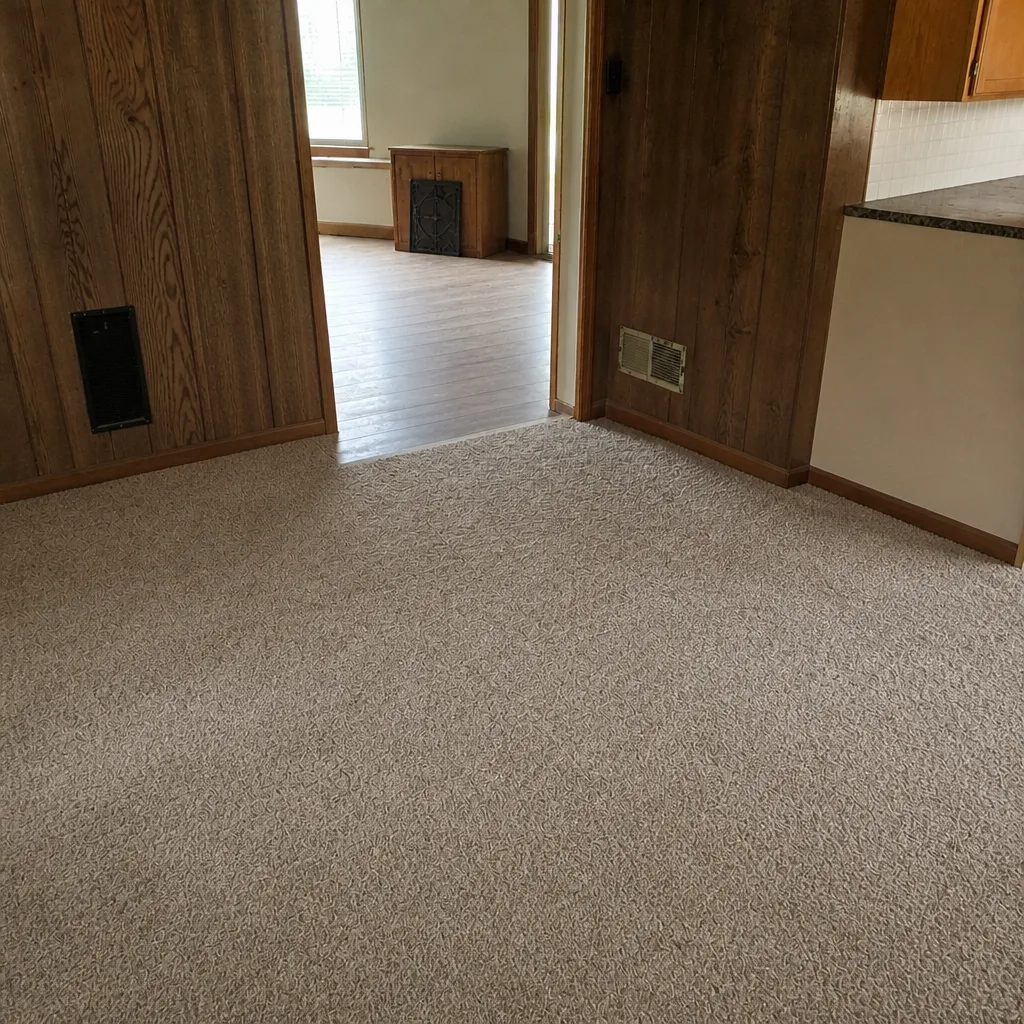
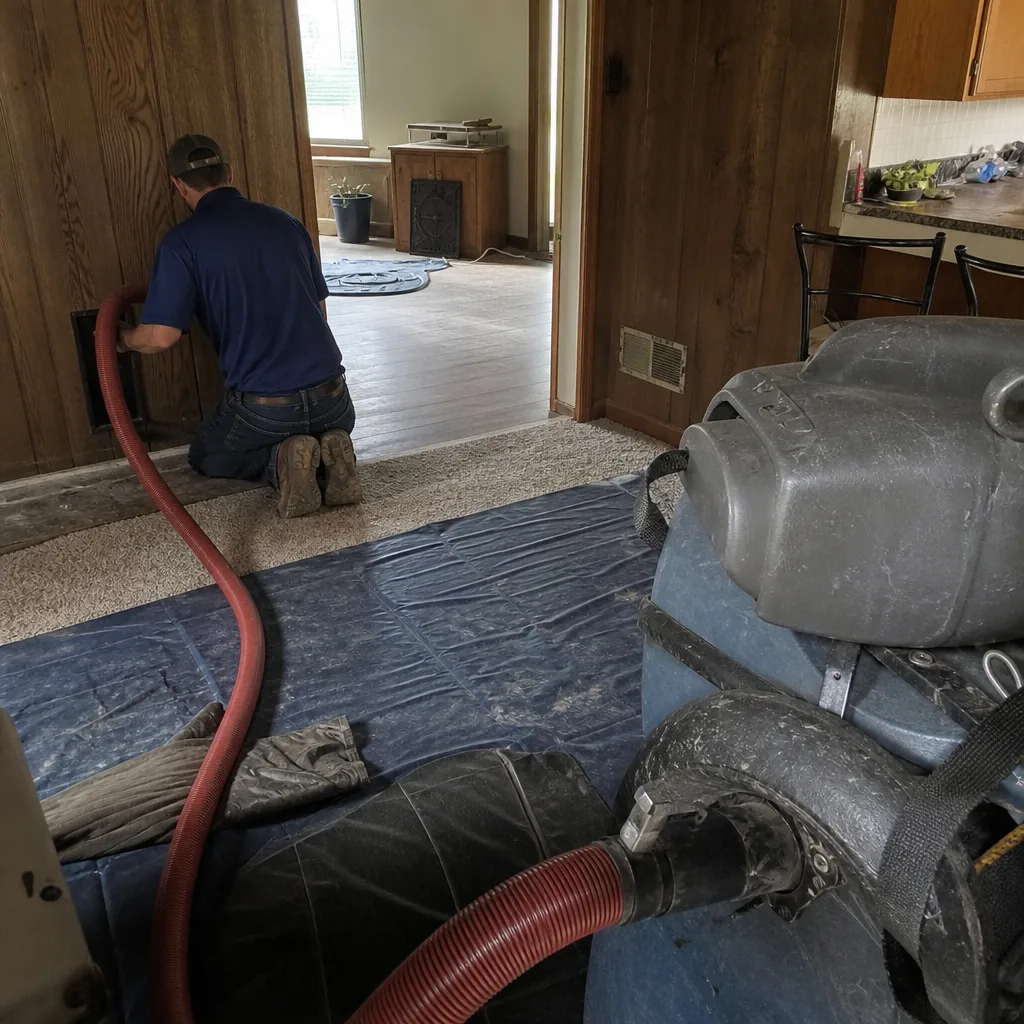 Before
 After
 Before
 After
 Before
 After
When to Call a Professional
Some seasonal work you can handle yourself: fresh filters, visual inspections, keeping returns clear. But some situations call for professional equipment and training. Call us if you see visible dust blowing from registers after the filter change, smell mustiness at first heat or first cool, notice a significant jump in allergy symptoms when the HVAC runs, find disconnected or crushed duct runs, or notice your energy bills climbing without an obvious cause.
For the deep cleaning work itself, professional-grade extraction with agitation is what actually removes bound debris from duct walls. If you want a full reset of your system, including a look at the dryer vent and the HVAC unit alongside the ducts, it’s simpler to have every component examined in one visit. Our team handles air duct cleaning, dryer vent cleaning, and HVAC cleaning as part of that full-system approach.
Air Duct Cleaning Central Park offers free estimates in Central Park. Call (833) 509-5525. We answer 24/7. Fast dispatch from 7am to 7pm, Sunday through Friday.
Frequently Asked Questions
Most Central Park homes do well with one professional cleaning per year, timed in late spring before cooling season. Homes that ran through heavy wildfire smoke, had a recent renovation, or have allergy-sensitive occupants may benefit from a second cleaning after fire season. Filter changes should happen more often than the cleaning itself.
Yes. Fine smoke particulate is small enough to pass through standard HVAC filters and deposit on duct walls, where it stays until mechanically removed. Standard suction won’t release it. HEPA-rated extraction with proper agitation is what removes it. If your system ran through a heavy smoke event, a post-season cleaning is the way to reset it.
The first HVAC restart in spring is the highest-risk moment. That’s when winter’s accumulated dust gets disturbed all at once by the cooling cycle. A fresh filter and a quick inspection before restart cut down the dust plume substantially. Scheduling a cleaning before the restart is even better.
No. A shop vacuum lacks the filtration and the agitation to remove bound debris, and it often redistributes dust through the house rather than capturing it. Professional systems are built to agitate the duct wall and extract what releases, with filtration on-site to contain it. That’s the difference between cleaning the ducts and stirring them up.
Both, often. A clean system still loses conditioned air and pulls contaminated air through unsealed joints. If the inspection finds gaps, disconnected runs, or crushed flex duct, sealing addresses the root cause that cleaning alone can’t fix. Many Central Park homes need both, especially older homes with original ductwork.
Expect an estimate rather than a fixed number. Prices depend on the size of the system, the number of runs, and whether repair or sealing is needed alongside the cleaning. Get a written estimate before work starts so the price is set per job, not padded mid-visit. Call (833) 509-5525 for a free estimate on seasonal duct cleaning.
The Bottom Line
Central Park’s four seasons ask different things of your ducts. Spring rewards the homeowner who checks the system before the first cooling cycle. Summer demands HEPA-rated extraction to handle wildfire smoke. Fall is the last clear window to find and seal leaks before the house closes up. Winter asks for monthly filter checks and attention to indoor humidity. A rolling 12-month calendar tied to these local events beats a generic annual cleaning every time. The heavy work still needs professional equipment and training, and that’s where we come in. One deep cleaning per year, timed right and paired with proper filtration and repair, keeps your family’s air clean through every Central Park season. Call (833) 509-5525 for a free estimate.
Written by the team at Air Duct Cleaning Central Park.