
Last updated November 25, 2026
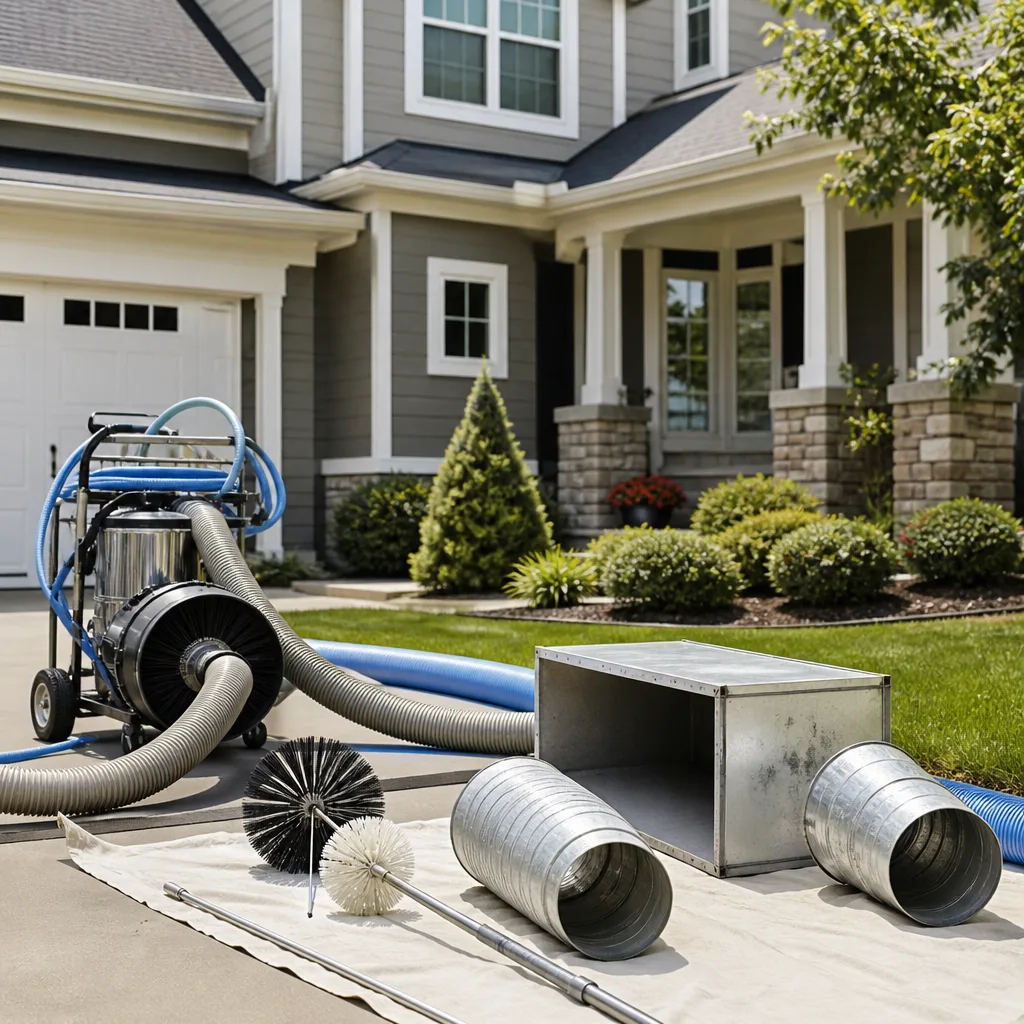 Whole-home duct cleaning
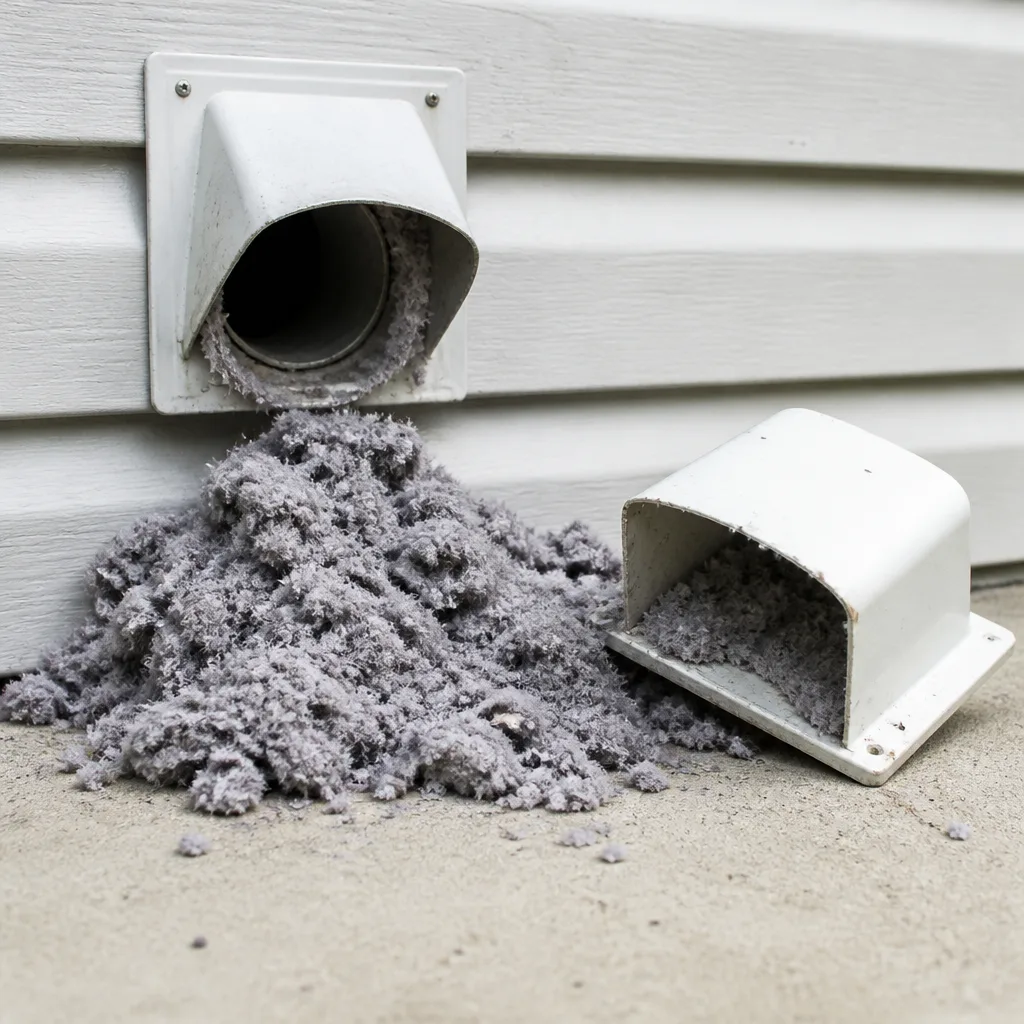 Dryer vent cleaning
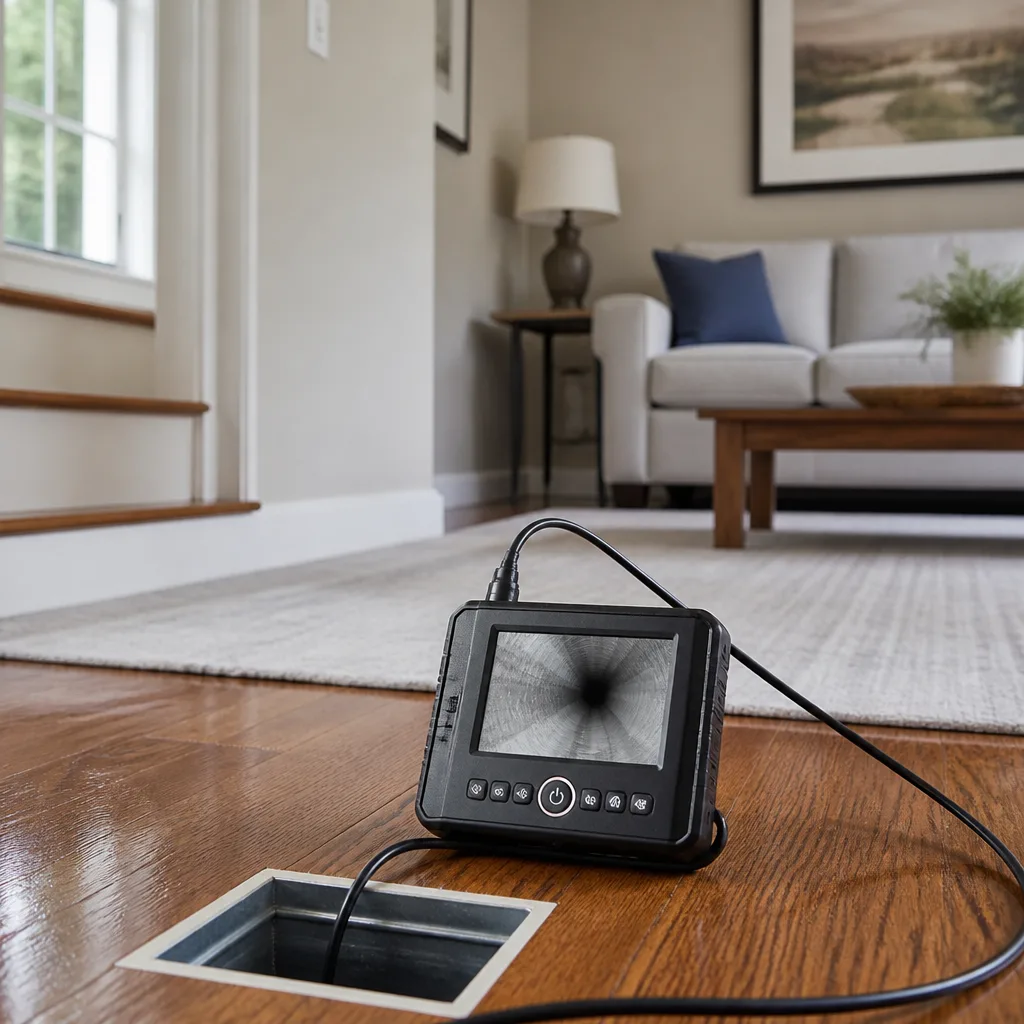 Camera inspection
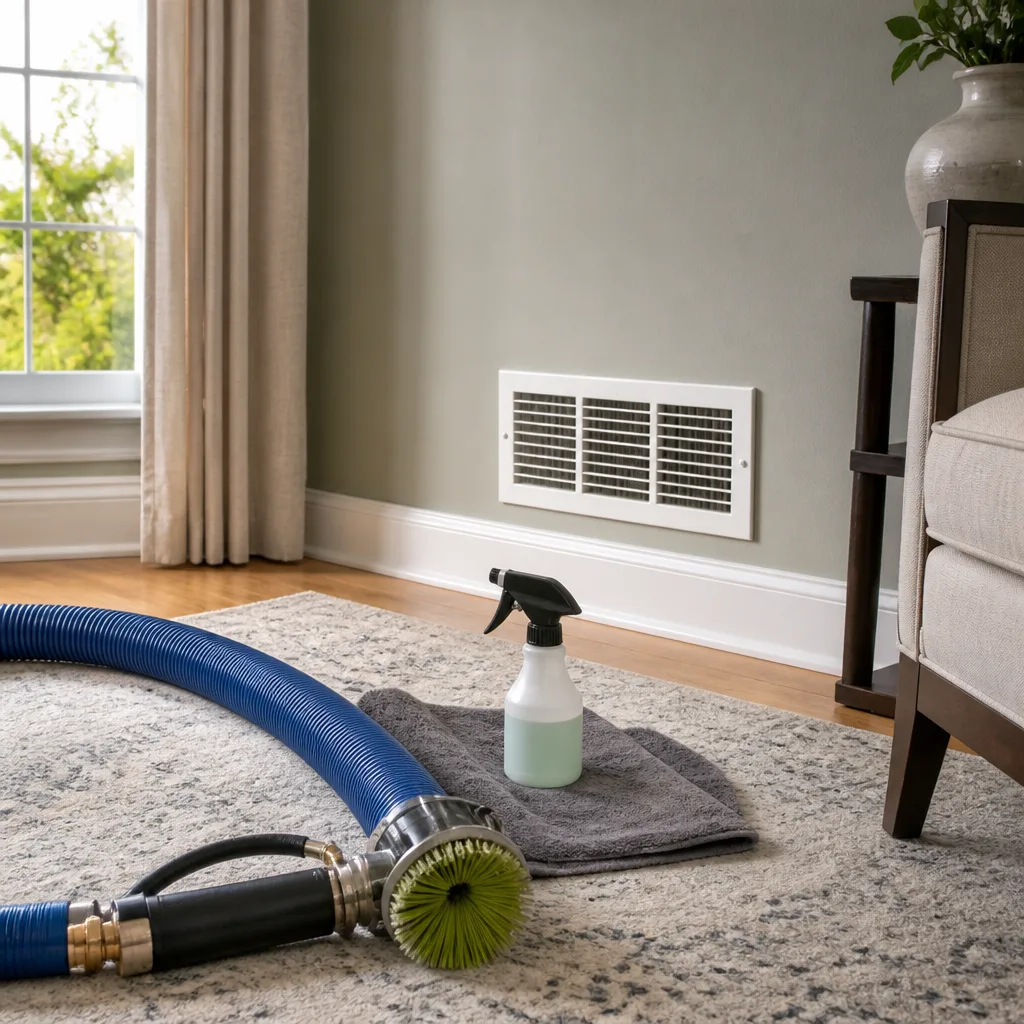 Sanitizing & deodorizing
Whole-system duct and dryer vent check with before-and-after photos - you see exactly what came out of your vents
That "$99 whole-house special" is a bait ad - the real number appears once they are in your hallway, or the "clean" is a shop-vac at the register. We photograph the inside of your ducts before and after instead.
Air Duct Cleaning Maintenance Checklist for Central Park Homeowners
If you’re replacing your 1-inch filter every 30 days and it’s already gray by day 20, your ducts aren’t your only problem – and cleaning them without identifying the upstream cause means you’ll be back in the same position within a year. That’s the part most checklists miss. A maintenance list that only reminds you to book a cleaning treats the symptom, not the source. The checklist below is built differently: each item is a data point, and the pattern of those points tells a technician whether you’re dealing with filter failure, a duct seal issue, or an HVAC system that’s moving air less efficiently than it should. Read it once for orientation, then use it as a running log. This guide is written for homeowners and property managers in Central Park, where wildfire smoke months, heavy winter furnace use and spring pollen surges each leave a different fingerprint inside the system.
Quick Answer
A practical air duct maintenance checklist for Central Park homeowners covers four things: a filter log that tracks how fast it loads, monthly visual checks at supply and return registers, an annual professional cleaning with a documented before-and-after, and a short written record you carry from one service to the next. The goal isn’t a rigid calendar – it’s catching recontamination early enough to identify whether the source is outside air, a leaking duct joint, or an HVAC unit that’s no longer moving air the way it should.
Styles & brands we work with
- Whole-home duct cleaning
- Dryer vent cleaning
- Camera inspection
- Sanitizing & deodorizing
Table of Contents
- How a Duct Maintenance Checklist Works as a Diagnostic Tool
- Reading Your Filter as a Data Point, Not Just a Chore
- A Month-by-Month Checklist Calibrated to Central Park Seasons
- Visual Checks You Can Do at Registers Without Opening the System
- What to Log Between Professional Cleanings
- Checklist Additions for Pets, Renovations and Attached Garages
- Winter HVAC Load and Spring Pollen: Two Different Problems
- What a Professional Cleaning Should Actually Involve
How a Duct Maintenance Checklist Works as a Diagnostic Tool
Most homeowners treat duct maintenance as an appointment calendar. The system gets cleaned, the date goes on the fridge, and everyone moves on. That approach works until you notice dust returning faster than it should – and then there’s no record to explain why.
A diagnostic checklist does something different. It treats each observation as a signal. A filter that loads in 20 days instead of 60 is telling you something. A register that collects a dark ring of dust along the grille is telling you something else. A bedroom that never seems to cool or heat compared to the rest of the house is telling you a third thing, and it’s often the most useful one.
When we read a completed log before a cleaning, we’re looking for three patterns:
- Uniform recontamination – dust returns evenly across every register. This usually points to a filter or outside-air issue.
- Localized recontamination – one or two rooms collect far more debris. This often points to a duct joint that’s separating or a run that’s pulling from an unconditioned space.
- System-wide drift – airflow weakens across the whole house over months. This tends to point to HVAC efficiency or a restriction somewhere in the trunk.
Each pattern calls for a different response. Cleaning the ducts when the real problem is a leaking joint, or sealing ducts when the real problem is a filter that’s too restrictive, both waste money. The checklist exists to keep you from making that mistake in Central Park, where the seasonal swings make those patterns easier to misread.
Reading Your Filter as a Data Point, Not Just a Chore
Here’s the misconception worth correcting first: the filter isn’t a duct maintenance item, it’s a measurement device. Its job is to catch what’s moving through the airstream, and how quickly it loads tells you whether the airstream is dirty and where that dirt is coming from.
Start a simple log. Every time you change the filter, note three things:
- The date you installed it.
- The date you replaced it – not “around 30 days,” the actual date.
- What the filter looks like: uniform gray load, dark patches on one side, or heavy on the intake face but clean on the outgoing face.
Then read the pattern. A 1-inch filter that’s uniformly gray in under 25 days means the system is pulling a lot of particulate from somewhere. It could be a home with a lot of foot traffic, a recent renovation, a nearby construction site, or a return duct that’s drawing from the garage or crawlspace. A filter that’s dark only on one edge often points to air bypassing the frame somewhere nearby. A filter that’s clogged with what looks like fine gray concrete dust is a very different signal from pet hair and lint.
Pleated filters in the MERV 8 to MERV 11 range handle most Central Park homes without over-restricting airflow, and higher ratings sometimes do more harm than good if the HVAC blower can’t overcome the added resistance. If you’re unsure what rating your system supports, ask before you upgrade – a filter that’s too restrictive accelerates the exact recontamination problem you’re trying to solve. We’ve seen that pattern repeatedly, and it’s the most avoidable one on this checklist.
A Month-by-Month Checklist Calibrated to Central Park Seasons
Central Park’s year splits into three phases that hit the duct system differently. Wildfire smoke season stretches from late summer into fall, when fine ash-sized particulate can bypass poorly seated filters and collect on duct walls. Winter is a stretch of heavy furnace use, when the system runs continuously and pushes any accumulated debris into the living space. Spring brings a pollen surge that loads filters and outdoor-air intakes fast. The checklist below is built around those three phases rather than a flat monthly schedule.
January through March (winter load):
- Log filter changes weekly during the coldest weeks – dust load spikes when the furnace runs constantly.
- Walk every supply register and note airflow strength by room; a room that’s weaker than it was last month is a data point.
- Check the return grille in the main living area for visible dust accumulation on the fins.
April through June (pollen surge and shoulder season):
- Replace filters on schedule; pollen loads them faster than winter dust.
- Inspect any outside-air intake for a clogged screen.
- Book your annual professional cleaning if you haven’t already – spring is the natural reset before summer cooling load.
July through September (wildfire smoke season):
- Keep windows closed during smoke events and run the HVAC fan continuously if your thermostat supports it.
- Check the filter every two weeks during active smoke periods; fine particulate loads faster than typical household dust.
- Note the smell of the air coming from supply registers – musty, smoky or chemical smells count and belong in the log.
October through December (fall reset):
- Schedule an inspection if you skipped spring cleaning.
- Check for condensation or moisture at any register in a colder part of the home.
- Confirm the filter size and rating you’ll use for the winter run and write it in the log.
That covers a full year, but the log shouldn’t reset – carry it forward so next year’s pattern can be compared.
Visual Checks You Can Do at Registers Without Opening the System
You don’t need tools to spot many duct problems. A flashlight and a handful of paper towels will get you most of the way, and you’ll never touch the inside of a duct or remove a grille that requires tools.
Here’s the routine:
- Turn the HVAC system off at the thermostat before any visual check.
- Wipe the fins and face of one supply register in each room with a damp paper towel. Note whether the residue is gray dust, dark soot, lint, or something that looks like construction debris.
- Shine the flashlight into the throat of the register (looking only, not reaching in) and note what’s visible – settled dust, pet hair tufts, or nothing at all.
- Check the return grille – the large one in the central hallway or living area – and see whether it’s darker than the supply registers. If so, the filter is probably overdue.
- Look closely at the wall or ceiling around each grille for streaks, dark halos, or gaps between the grille and the drywall. Those gaps let unfiltered air into the duct system.
Streaking around a grille is one of the most common things we look for in Central Park homes, and it’s easy to spot once you know what it is. It usually means the grille isn’t seated tightly and air is pulling from the wall cavity rather than the filtered return path. Sealing that gap is a Duct Repair & Sealing item, not a cleaning item, and it’s exactly the kind of root cause a checklist should surface before the duct system gets cleaned again.
What you should never do: reach into a duct, remove a register that requires tools, or try to clean inside a trunk line yourself. The ducts contain nothing sharp, but the components on the far side do, and if there’s a fuel-burning appliance on the other end of the system that’s genuinely a professional-only situation.
What to Log Between Professional Cleanings
The value of a log is that it turns “it seems dusty in here” into information a technician can act on. Keep the log for at least two cleaning cycles so you can compare this year’s pattern to last year’s. Here’s what belongs in it:
- Filter dates and observations – installed date, replaced date, what the filter looked like.
- Room-by-room airflow notes – a simple “strong / medium / weak” for each supply register, checked on the same day each month.
- Register dust observations – one dried-paper-towel wipe per register per month, with the color noted.
- Odor notes – any smell at any register, with the date and which register.
- Renovation or construction dates – drywall work, flooring replacement, kitchen remodels. All of these push substantial debris into the duct system.
- Pest or animal activity – a mouse, a squirrel in the attic, a bird at an exterior vent. Small discoveries often point to a breached duct or vent.
- HVAC service dates – any maintenance on the furnace or air handler.
- Cleaning dates and technician notes – always keep the report from a professional cleaning, including before-and-after photos.
A technician who reads a well-kept log before the job starts will look at different things than one who arrives cold. That log is also how you verify a cleaning was done – if the log records heavy buildup in a bedroom duct run, the before-and-after photos should show that specific run, not just the trunk line.
Checklist Additions for Pets, Renovations and Attached Garages
Some homes in Central Park need a few additions to the standard checklist. These are the high-contamination variables that make generic schedules inadequate.
Homes with pets
Pet hair and dander behave differently than household dust. Hair binds to the walls of ducts and to grille fins, where it traps finer particulate behind it. Add these to your checklist:
- Check filter load weekly during shedding seasons rather than monthly.
- Wipe supply register fins monthly with a damp towel – pet hair builds fast and blocks airflow.
- Vacuum the return grille face weekly with a brush attachment.
- Note any room where a pet sleeps – that room’s return often needs more frequent attention.
Homes with recent renovations
Drywall dust is fine enough to bypass standard filters and settle deep into duct runs. If you’ve had work done in the last 12 months, note the date in your log and treat the renovation as a trigger for professional cleaning even if your normal schedule says otherwise. Guardsman-grade sanitizing is worth asking about after a renovation, particularly when the work involved plumbing or water intrusion.
Homes with attached garages
An attached garage is one of the highest-contamination variables in Central Park’s housing stock because so many homes have a return duct running through or near the garage. Exhaust fumes, road dust and fine particulate from the garage can enter the duct system through any gap in the joint. Add these checks:
- Look at the wall around the return grille nearest the garage wall for soot or a dark film.
- Check for odor at the register closest to the garage – a faint exhaust smell at a supply register means a leak somewhere.
- If you’ve sealed ducts recently, note the date – the seal should be re-verified every couple of years.
Winter HVAC Load and Spring Pollen: Two Different Problems
Central Park homes run the HVAC system hard in winter and pull pollen-heavy outdoor air into the return path in spring, but these load the ducts differently. Winter is a dust-settling problem: the system runs constantly, fine debris gets distributed evenly, and registers collect a uniform gray film. Spring is a load problem: filters clog fast and struggle to keep up, airflow drops, and the system works harder than it should.
Both get easier to manage with a professional cleaning done between the two seasons. Winter’s dust accumulation is the debris that spring cleaning removes. Spring’s pollen load is the reason a clean system matters before summer cooling season starts.
If you’re noticing a musty smell during winter heating, that’s usually a condensation problem – warm air hitting a cold duct surface near an exterior wall. It’s worth flagging to a technician because it points to a duct in an unconditioned space, which is a duct sealing item, not a cleaning item. Ask your furnace or air handler about airflow if the system is running but rooms aren’t heating evenly; unbalanced airflow is the most common winter complaint we hear and cleaning alone doesn’t fix it.
An air duct cleaning done right in Central Park also covers the full indoor air system, not just the supply runs. If the cleaning proposal only mentions the ducts, ask specifically about the air handler, the return trunk, and the outside-air intake. A system audit that skips those components hasn’t looked at where the contamination actually originates.
What a Professional Cleaning Should Actually Involve
A professional cleaning with the right equipment looks very different from a handyman with a shop vacuum. Here’s the standard you should expect when you book air duct cleaning:
- A system inspection before any cleaning starts – registers, returns, the air handler and the trunk, with notes on what’s actually found.
- Containment during cleaning – professional-grade filtration equipment such as Abatement Technologies air filtration systems keeps the debris from settling into your living space while work is in progress.
- Rotary agitation and negative-pressure extraction – tools like the Rotobrush system are designed to agitate and extract debris from duct walls, rather than blowing it around from one end of a run to the other.
- Before-and-after documentation – photos of your ducts, not generic stock photos, so you can see what was actually removed.
- A written report of any structural problems – separating or crushed ducts, disconnected joints, or breaches found during cleaning.
- Filters changed and sanitizing applied where needed – Guardsman-grade products for homes with odor, moisture or after-renovation concerns.
Sealing the ducts is often the next step after cleaning. We repair what we find, not just clean around it. If the inspection reveals gaps, disconnected joints or leaks into unconditioned space, Air Duct Cleaning Central Park can quote Duct Repair & Sealing as a follow-up, and the same visit will often cover the HVAC cleaning side so the whole system is addressed together.
Filter upgrades are also part of the conversation. If your current 1-inch filter isn’t handling the load, a media cabinet from Honeywell or Aprilaire gives the system a much larger filter face, which means less restriction on airflow and slower loading between changes. It’s an indoor air quality upgrade rather than a duct cleaning, but in our experience it’s often the change that solves the 20-day-gray-filter problem permanently.
Common Mistakes to Avoid
- Treating the cleaning as the fix. If the ducts recontaminate in three months, the cleaning worked – the source is still there. Seal the leak or upgrade the filter or both. Otherwise you’ll be calling again next year.
- Buying a “whole-house package” without a visible scope. In Central Park, that often means a coupon price that turns into a much larger invoice on arrival. Ask for the written scope and a flat price per system before anyone starts.
- Upgrading to a MERV 13 filter in an older system. High-MERV filters can strain a blower that wasn’t designed for the restriction. A filter that’s too tight is worse for the ducts than a filter that’s too loose.
- Skipping the log after a cleaning. The cleaning report and the next 12 months of observations are what make the next cleaning smarter. Toss the log and you’re starting from zero.
- Ignoring a smell. A musty smell at a register is a moisture issue, not a dust issue. Treating it as a cleaning problem lets mold grow in the ducts.
- Ignoring the dryer vent. Lint is a fire hazard, and a blocked dryer vent traps moisture that migrates into nearby ducts. The dryer vent cleaning item belongs on the same annual checklist, not a separate one.
- Assuming the garage return is sealed. An attached garage return that leaks pulls exhaust and dust into the system. If you can smell the garage at a supply register, get it checked.
See the difference
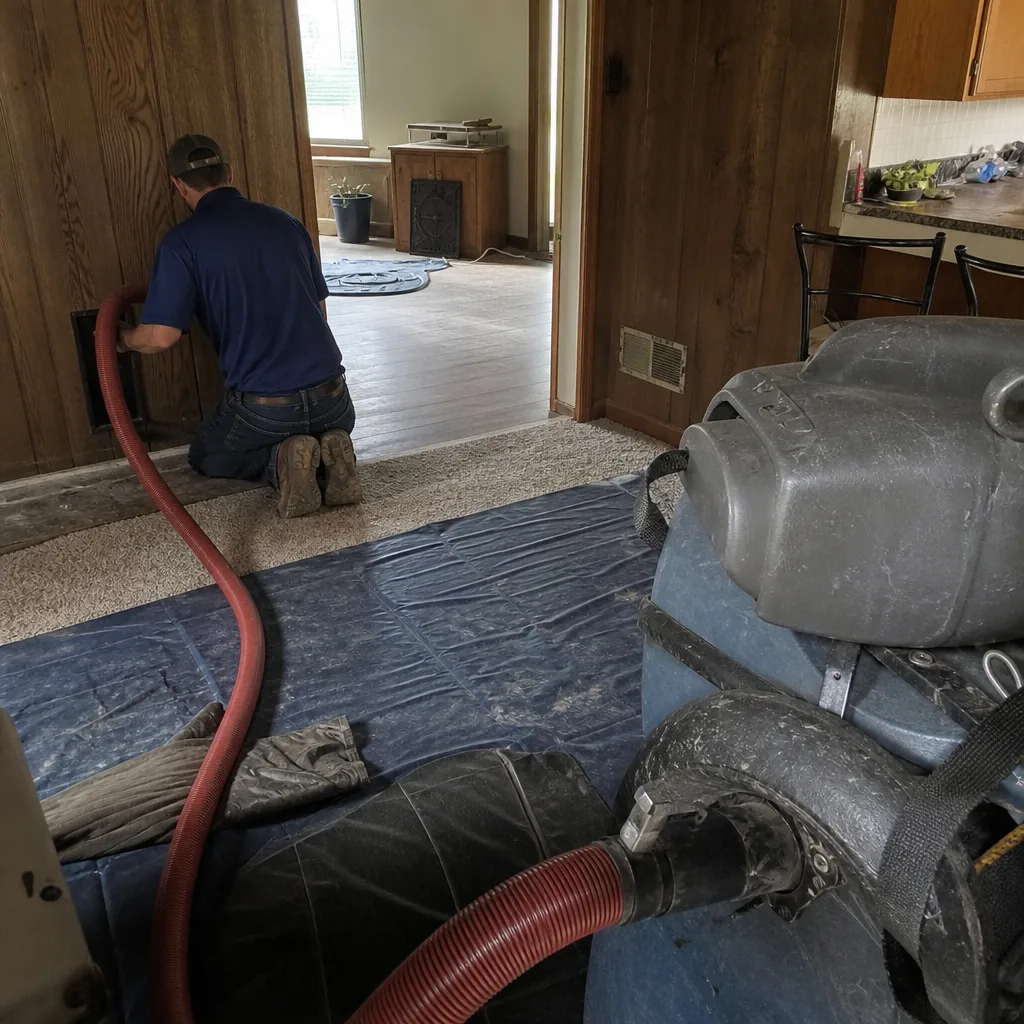 Before
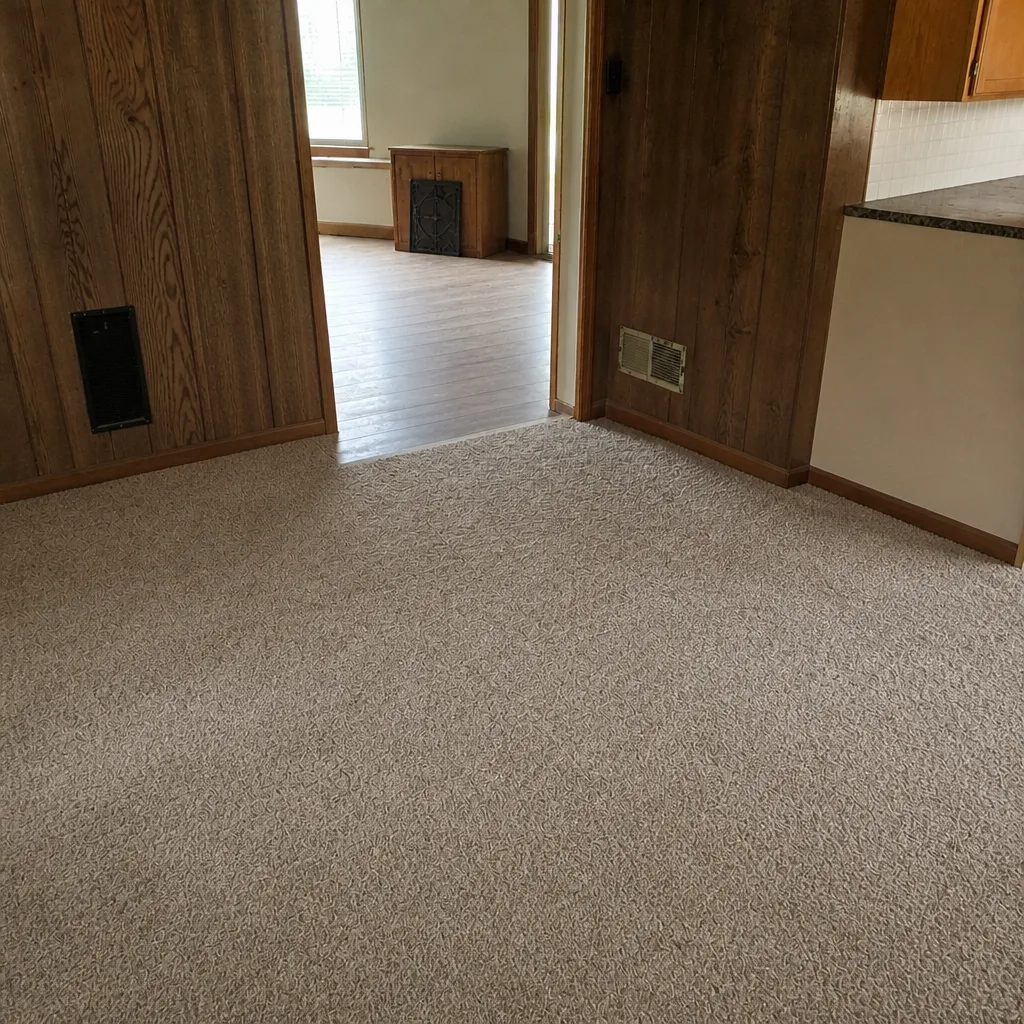 After
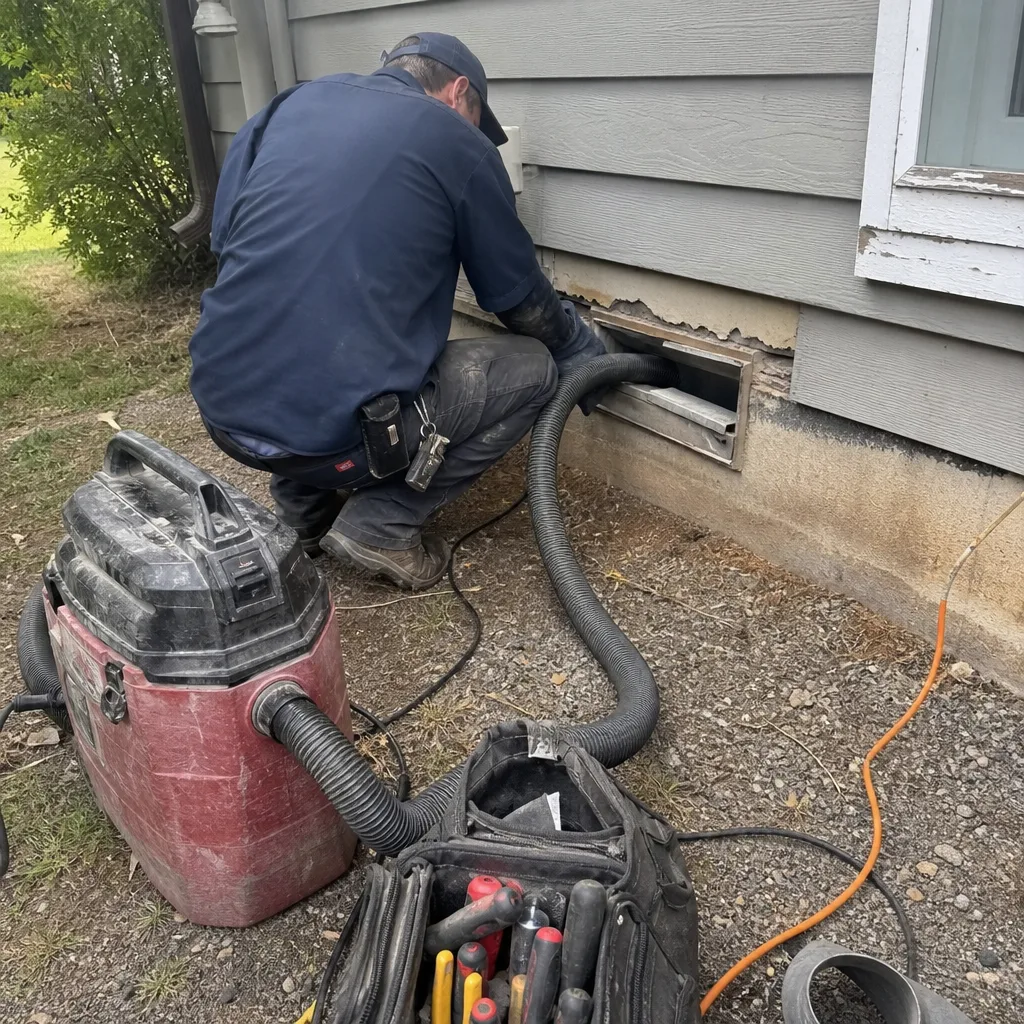 Before
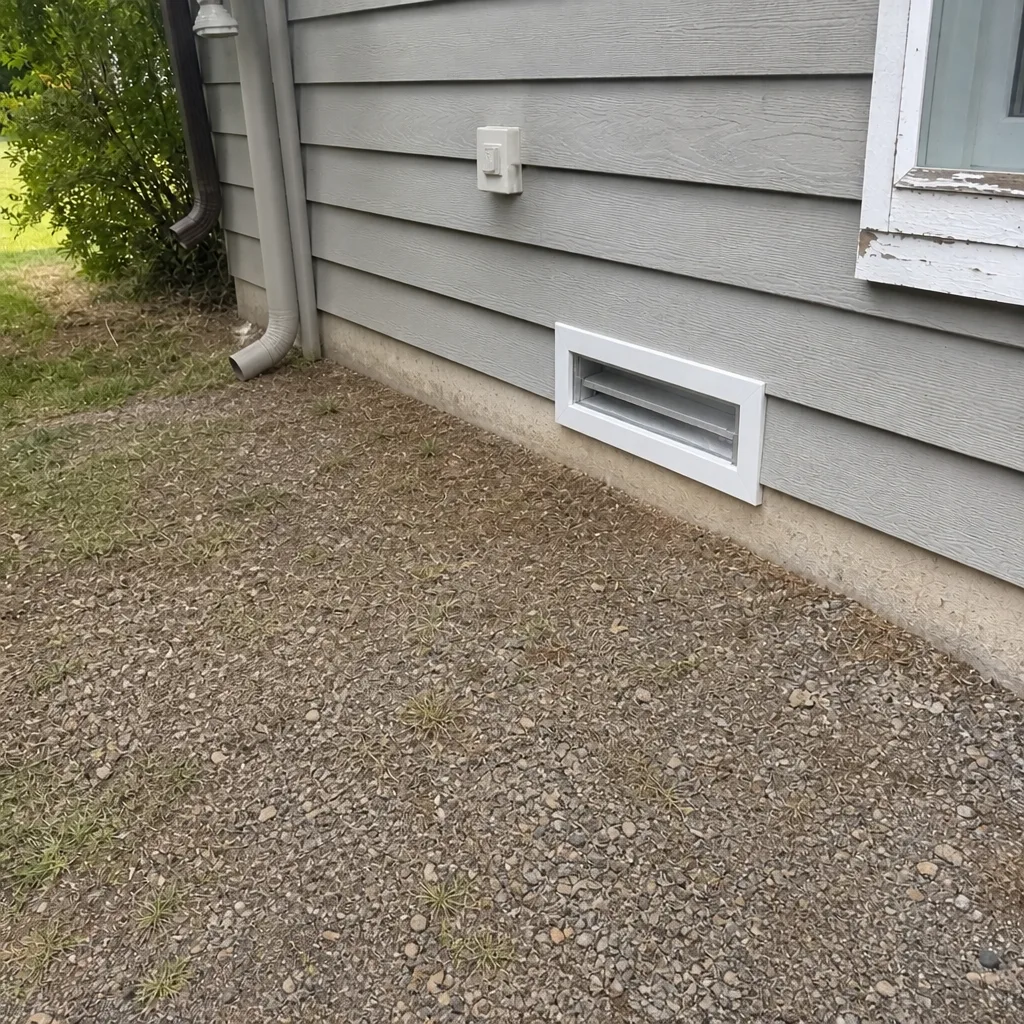 After
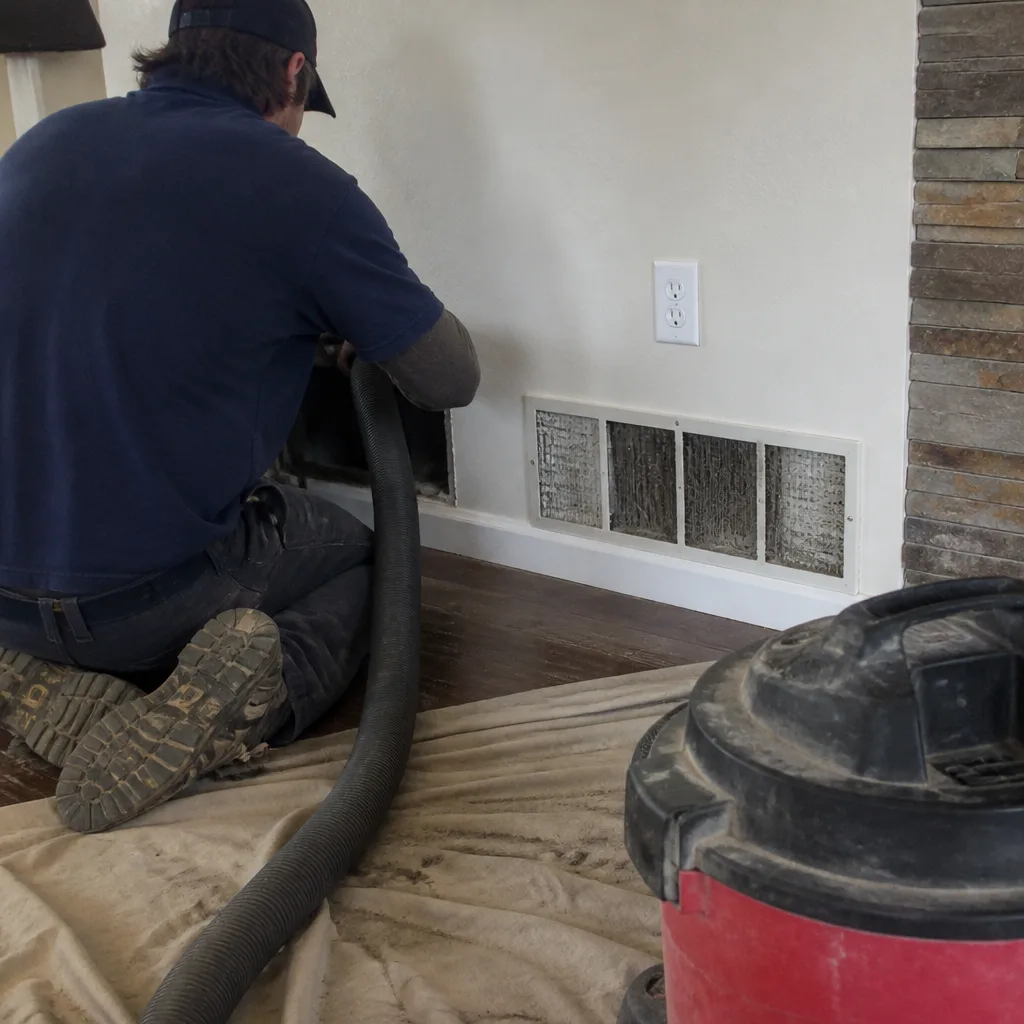 Before
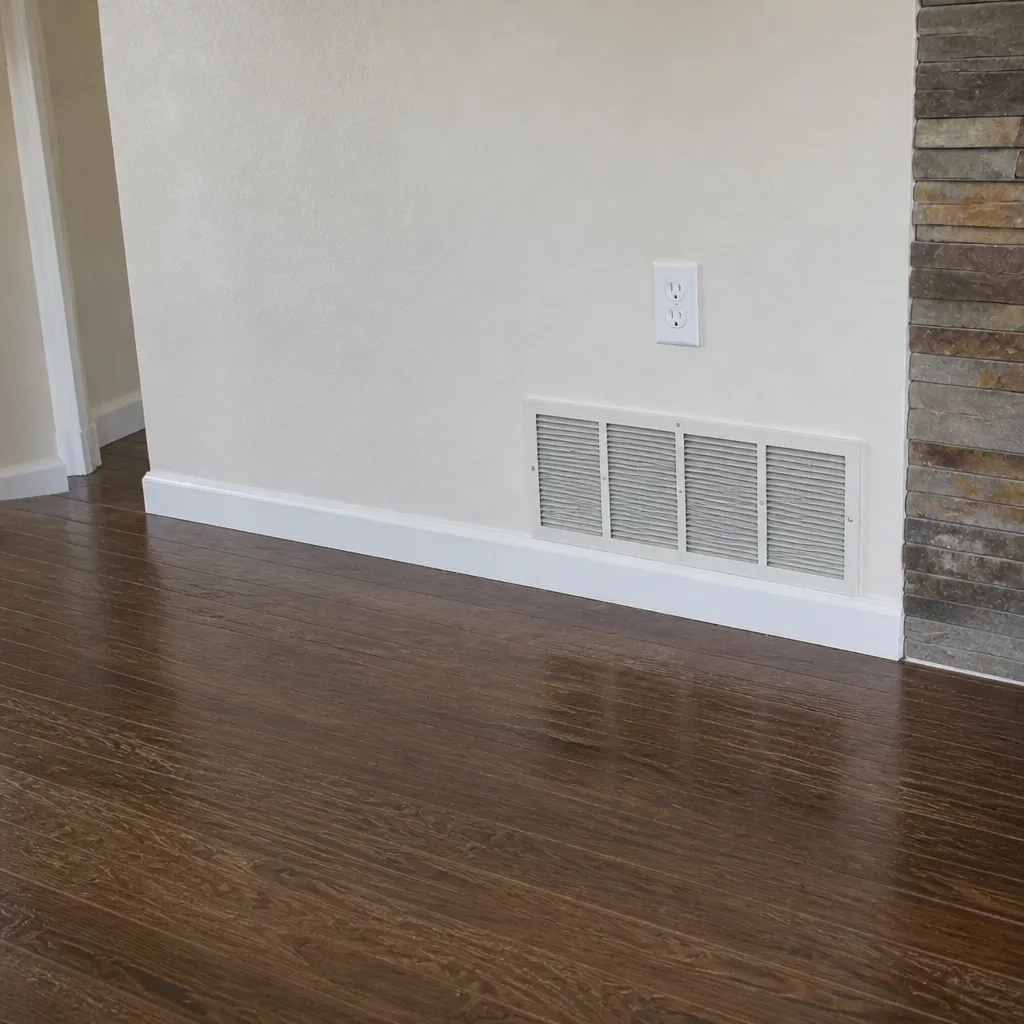 After
When to Call a Professional
Some items belong on your checklist and some belong with a technician. Call a professional when: your filter loads in under three weeks consistently, a supply register shows streaks or dark halos around the grille, one room’s airflow is noticeably weaker than the rest, you smell exhaust, musty air or chemicals at any register, you’ve had a renovation or pest discovery in the last 12 months, or it’s been more than two years since the last documented cleaning. The dryer vent is a separate professional item – lint buildup is a fire risk and cleaning it yourself doesn’t fully clear the run. Air Duct Cleaning Central Park offers free estimates in Central Park. Call (833) 509-5525. We answer 24/7. Fast dispatch from 7am to 7pm, Sunday through Friday.
Frequently Asked Questions
Most Central Park homes need professional duct cleaning every two to three years, with a check-up in between if your log shows problems early. Homes with pets, recent renovations or an attached garage return may need attention closer to every 18 months. The right interval depends on the pattern you log, not just the calendar. Call (833) 509-5525 for an exact quote – estimates are free.
Whole-system air duct cleaning in Central Park typically runs in the several-hundred-dollar range for a standard home, with pricing based on square footage and the number of registers rather than a per-vent charge. Duct Repair & Sealing, dryer vent cleaning and HVAC cleaning are quoted separately so you know exactly what each part costs before anyone starts. The most reliable number is the written estimate you receive after an inspection. Call (833) 509-5525 for an exact quote – estimates are free.
Low quotes usually mean low scope: the technician cleans one or two runs, skips the air handler, doesn’t use containment filtration, and doesn’t document the work. The invoice can grow once the truck is at your door. Ask what’s included – filter changes, air handler cleaning, containment, before-and-after photos – and get a flat price per system in writing. Call (833) 509-5525 for an exact quote – estimates are free.
Ask for before-and-after photos of your specific ducts, not a generic set. A written report of what was found, what was cleaned and any structural problems that need a follow-up is standard on a good job. Your own maintenance log is the other verification: if the ducts recontaminate fast, you’ll see it in the log and can bring it up before the next cleaning. Call (833) 509-5525 for an exact quote – estimates are free.
The monthly partial checklist runs year-round. The full annual review – seasonal tasks, log comparison and one professional inspection – happens once per year, ideally in spring before the cooling season starts. Winter furnace load and spring pollen load both hit harder on a clean, sealed system. Call (833) 509-5525 for an exact quote – estimates are free.
Most of it, yes: the filter log, the register wipes, the airflow notes and the visual checks all belong in your hands. Anything that involves opening a duct, reaching into the air handler, or working on an electrical component belongs with a trained technician. Never reach into a duct or open an electrical panel to inspect wiring – those are genuinely dangerous. Call (833) 509-5525 for an exact quote – estimates are free.
The Bottom Line
A maintenance checklist earns its keep by behaving like a diagnostic tool, not a calendar. The filter log tells you how fast your system is loading. The register checks tell you where. The seasonal records let next year’s technician compare this year’s pattern to last year’s. Put all three together and you’ll know whether the ducts need cleaning, the filter needs upgrading, the ducts need sealing, or the HVAC system needs service. Our technicians have up to 15 years of experience and work with Rotobrush, Nikro, Abatement Technologies, Honeywell and Aprilaire equipment to address the whole system, not just the surface. If you want a clean baseline to start your log from, give us a call.
Written by the team at Air Duct Cleaning Central Park.
Contact
Ready to start with a clean baseline and a documented before-and-after? Call (833) 509-5525 for a free estimate from Air Duct Cleaning Central Park. We answer 24/7. Fast dispatch from 7am to 7pm, Sunday through Friday. Every job is one flat price per system, agreed before work starts, with no per-vent charges and before-and-after photos of your own ducts.