
Last updated November 25, 2026
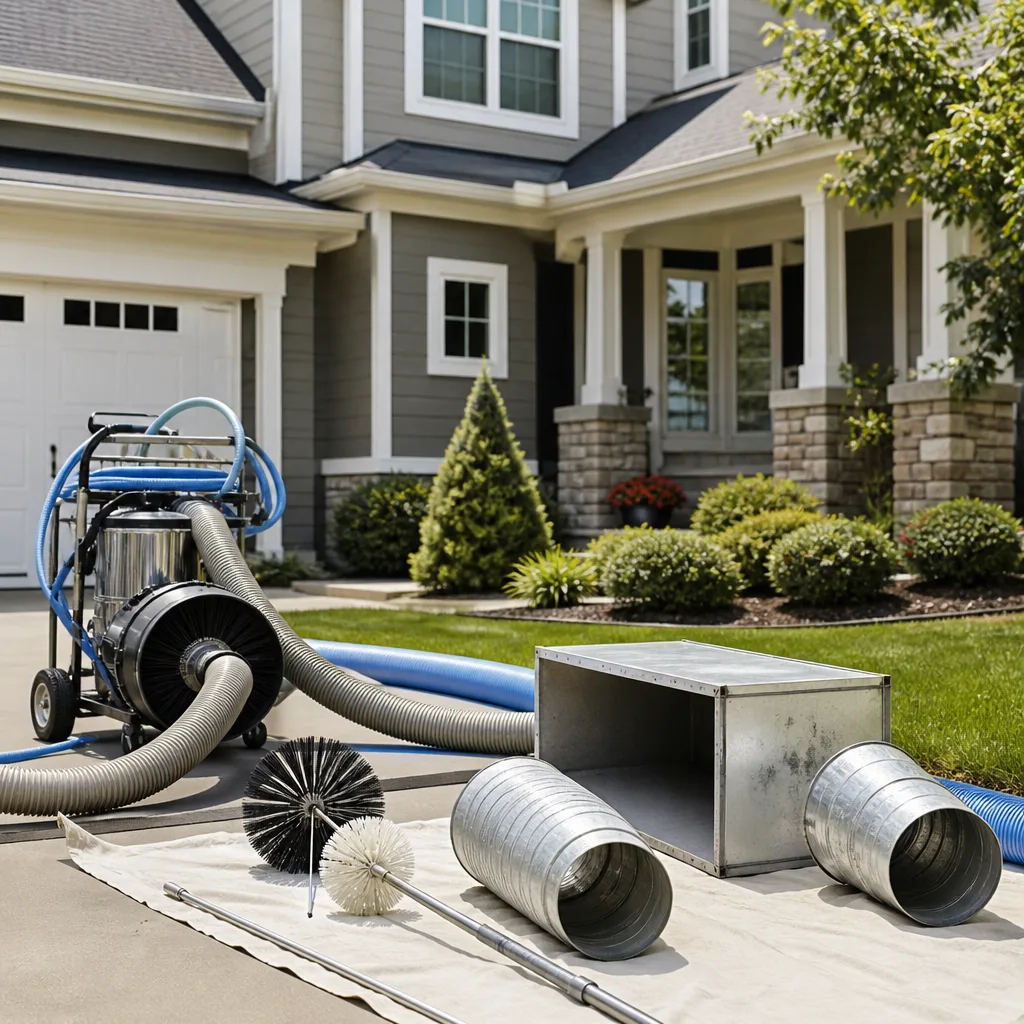 Whole-home duct cleaning
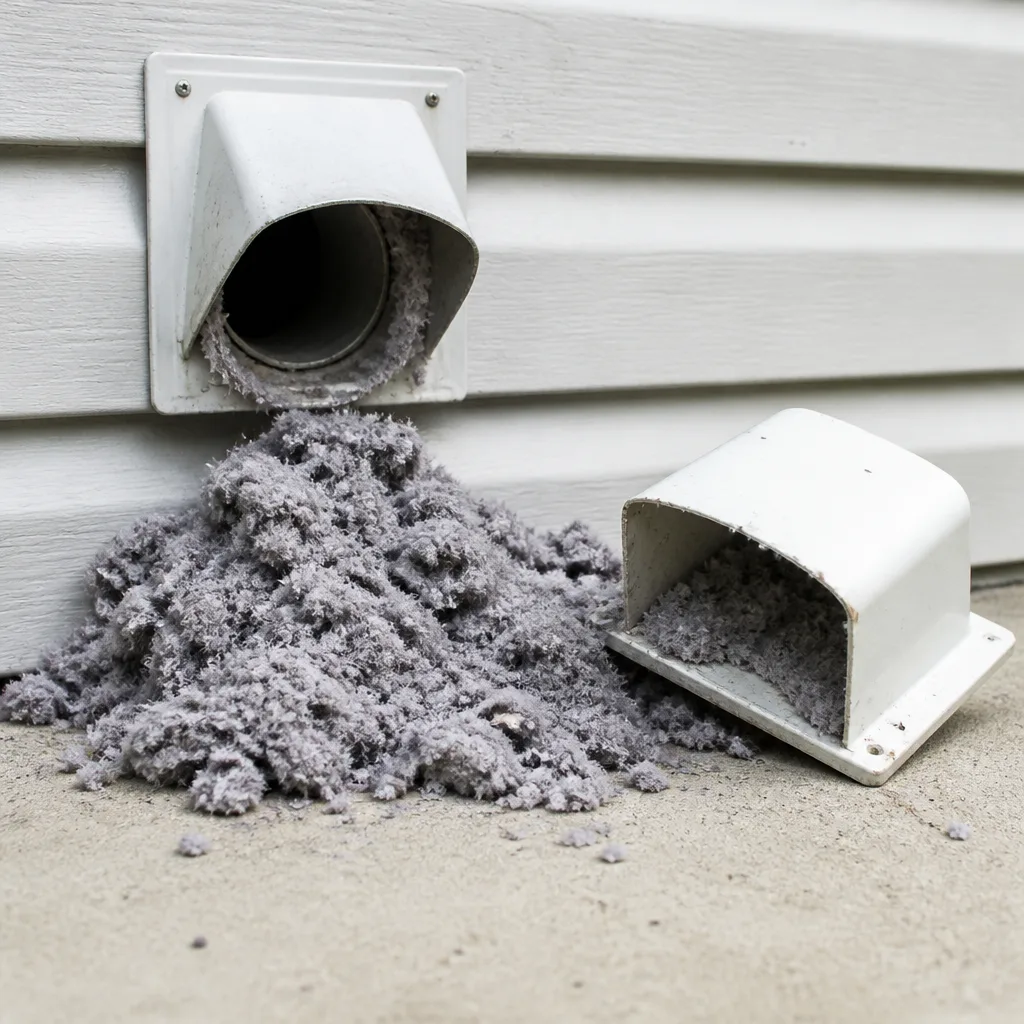 Dryer vent cleaning
 Camera inspection
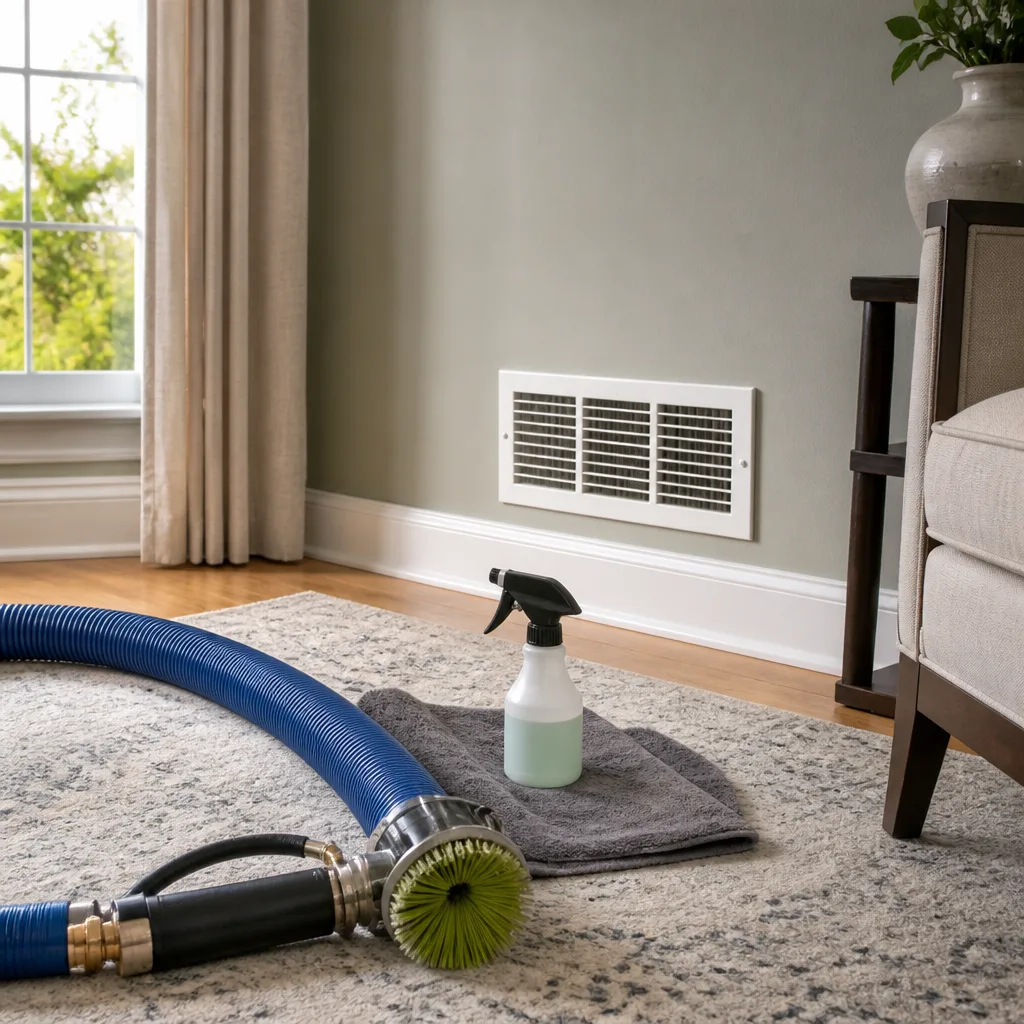 Sanitizing & deodorizing
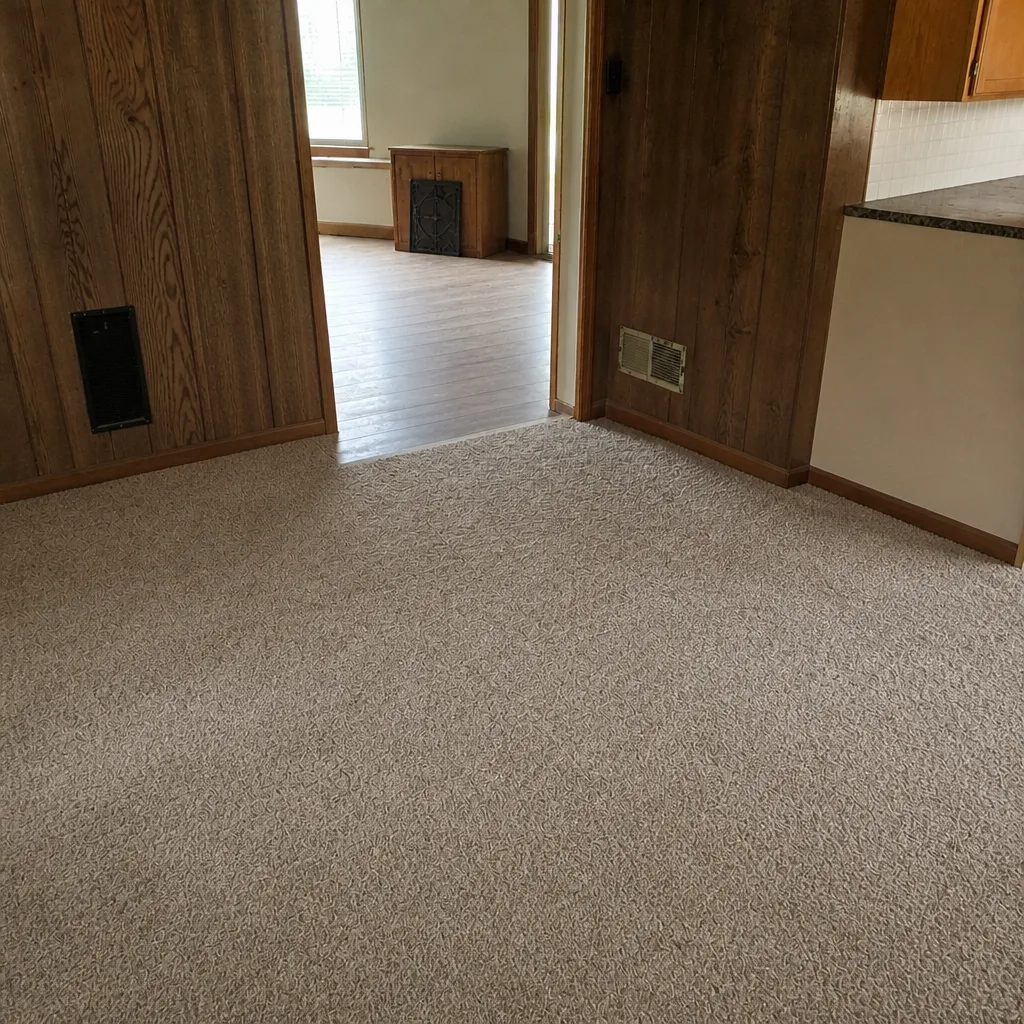
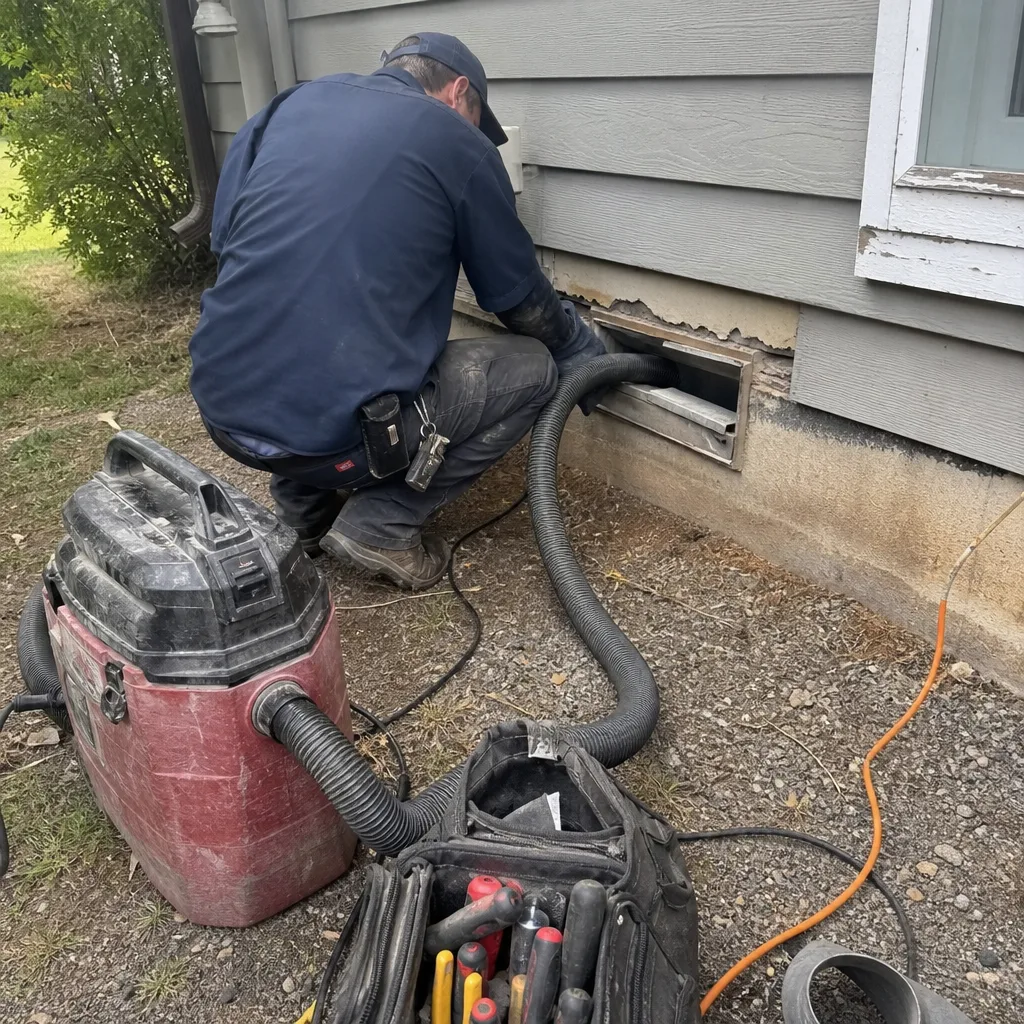
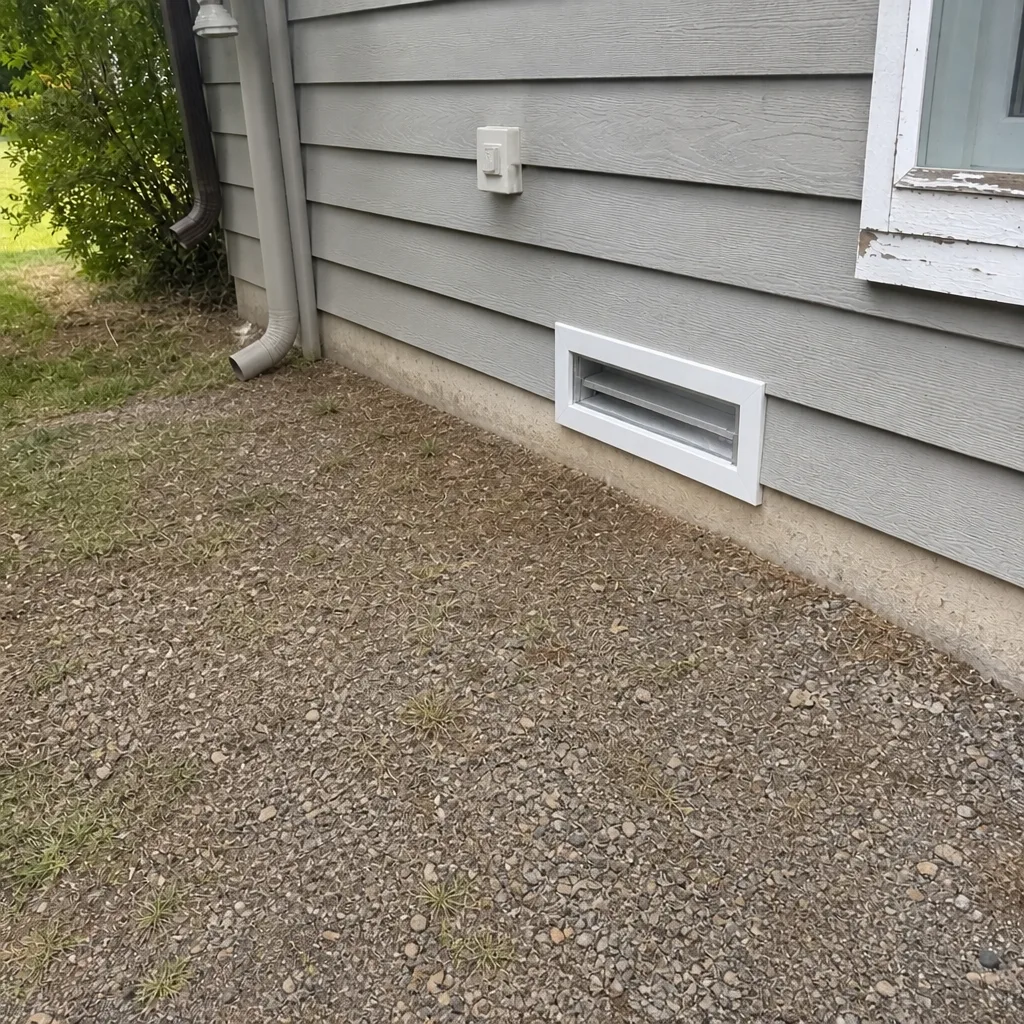
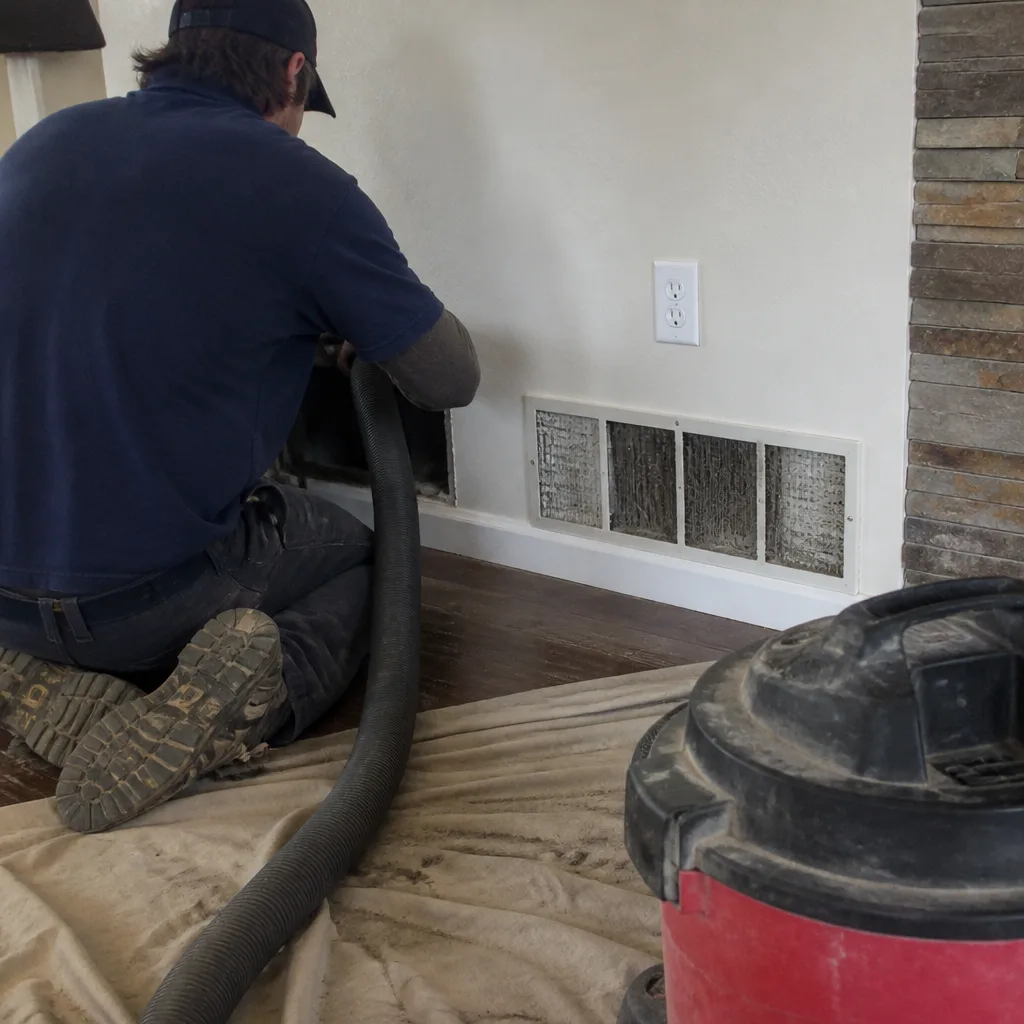
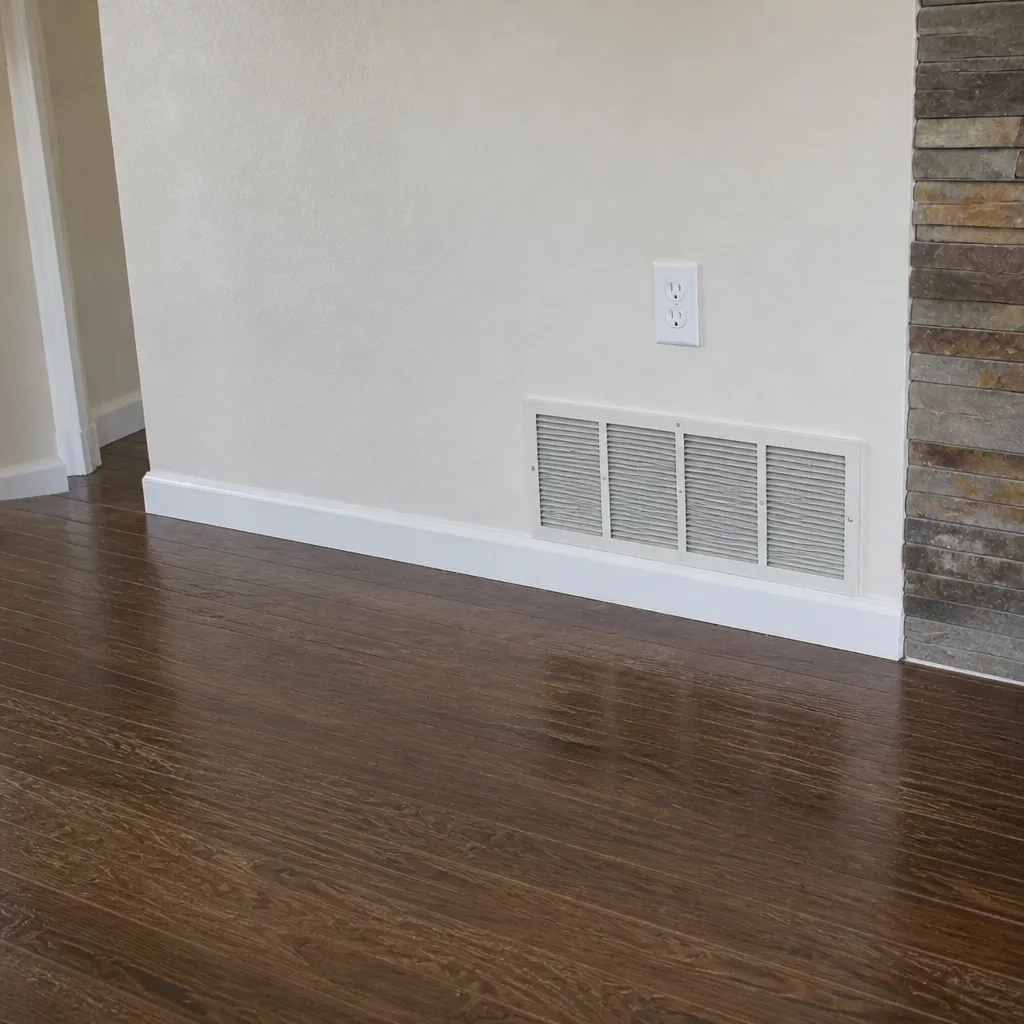
Whole-system duct and dryer vent check with before-and-after photos - you see exactly what came out of your vents
That "$99 whole-house special" is a bait ad - the real number appears once they are in your hallway, or the "clean" is a shop-vac at the register. We photograph the inside of your ducts before and after instead.
Air Duct Cleaning Permits, Codes & Inspections in Central Park, CO: What You Need to Know
Nobody in Colorado has ever been fined for having their ducts cleaned. That part is true, and it’s why so many homeowners assume the whole category of duct work sits outside the permit system. But there’s a line in the Colorado mechanical codes that most people never see: cleaning a duct is one thing, and modifying it is another. Once a technician cuts into a trunk line, adds a takeoff, replaces a section of flex, or seals a joint with mastic under certain conditions, the work can shift from maintenance into mechanical alteration, and that’s where permits, inspections, and insurance questions begin. This guide draws that line precisely for homeowners in Central Park, CO.
Quick Answer
Air duct cleaning itself does not require a permit in Colorado, and no jurisdiction in the Denver metro area requires an inspection just to vacuum and brush out an existing duct system. A permit typically becomes necessary when the work crosses into duct modification, such as cutting new openings, replacing rigid duct runs, adding or relocating registers, or altering the HVAC system itself. For homes in Central Park, CO, the governing authority is whichever jurisdiction issued the original building permit for the property, and confirming that before work begins is the homeowner’s responsibility (or the contractor’s, if you ask them to do it in writing).
Styles & brands we work with
- Whole-home duct cleaning
- Dryer vent cleaning
- Camera inspection
- Sanitizing & deodorizing
Table of Contents
- Where duct cleaning ends and duct modification begins
- How Adams County and Aurora handle HVAC-adjacent permits
- Why duct sealing by an unlicensed operator creates liability
- What to ask for in writing before approving extra duct work
- How to verify a contractor through DORA
- What an inspection actually looks like
- Permits, disclosures, and resale in Central Park
- How Central Park’s climate and housing shape the work
Where Duct Cleaning Ends and Duct Modification Begins
The distinction matters more than most homeowners expect, and it’s the single most useful thing to understand before you book any work. Cleaning is defined by contact with the existing surfaces of a duct system. Modification is defined by changing the system’s shape, capacity, or connectivity. The Colorado mechanical code treats those two activities differently, and that difference is what triggers permit requirements.
In practical terms, here’s roughly how the line falls:
- Cleaning – brushing, air-whip agitation, negative-pressure extraction, and sanitizing of existing ductwork with no change to the system’s configuration. No permit.
- Sealing with tape or mastic on existing joints – generally treated as maintenance when no components are removed or added, though this is where the line gets blurry and where the contractor’s licensing status matters most.
- Cutting new openings, adding takeoffs, or relocating a register – modification, and typically permit-requiring.
- Replacing a section of rigid duct or flex run – modification, permit-requiring in most jurisdictions.
- Any work on the furnace, air handler, or plenum – mechanical work, permit-requiring, and typically restricted to licensed mechanical contractors.
What trips homeowners up is the middle of that list. A duct run that’s sagging or disconnected in an attic gets “repaired” by a cleaning crew, and the homeowner assumes they’ve just done maintenance. Under most interpretations of the mechanical code, that’s a modification, and it’s now been performed without a permit and possibly by an unlicensed operator. That’s the scenario that creates resale problems years later.
Our position on this is straightforward: we clean ducts, we document what we find, and when we find something structural we tell you to check the permit question before anyone touches it. That’s what our air duct cleaning service is scoped to, and it’s why we offer Duct Repair & Sealing as a separate category rather than folding it into cleaning visit pricing.
How Adams County and Aurora Handle HVAC-Adjacent Permits
Central Park, CO sits at an unusual jurisdictional seam. Parts of the neighborhood fall under Adams County jurisdiction and other parts under the City of Aurora, depending on the specific parcel and how it was originally platted and permitted. That matters because the two jurisdictions have different online permit portals, different inspection schedules, and slightly different interpretations of what requires a mechanical permit.
Here’s how the process generally runs when a permit is required:
- Apply through the correct jurisdiction. The permit applicant has to know which authority issued the original certificate of occupancy for the property, not just which city the mailing address says.
- Submit the scope of work. Which duct runs are being replaced, which registers are being added, which equipment is being modified. Vague scopes get kicked back.
- Pay the permit fee and post the card. The inspector needs to see the permit posted at the job site.
- Complete rough-in. Duct modifications are inspected at rough stage, before drywall or final closing, in cases where walls are opened.
- Final inspection. The inspector checks sealing, support, clearances, and that the installed work matches the permitted scope.
Most straightforward duct modifications don’t require wall openings and can be inspected in a single visit. But if the work touches the furnace closet, a mechanical permit on the equipment may also be required, and the two permits sometimes run on separate tracks. That’s the part that catches homeowners off guard: they approve what sounds like a simple duct repair, and the contractor comes back saying two permits are needed and the work will take longer.
Central Park has a large stock of townhomes and attached single-family homes from the past couple of decades. In attached construction, duct modifications sometimes touch shared assemblies or fire-rated separations, and that expands the scope of what the inspector looks at. It’s one more reason to verify the permit question in writing before work starts.
Why Duct Sealing by an Unlicensed Operator Creates Liability
Sealing a duct joint looks simple. It isn’t, in one specific way: the correct material and the correct application determine whether the seal holds for twenty years or fails in two heating seasons. And when the work is done wrong, the failure mode isn’t cosmetic. It’s air loss into a wall cavity, condensation, and eventually mold.
The liability question arises because duct sealing performed as part of a mechanical system falls within the definition of mechanical work in most Colorado jurisdictions. If the operator isn’t licensed to perform that work, three problems appear at once:
- Warranty exposure. Many HVAC manufacturer warranties are voided by unlicensed modification of the system. The homeowner finds out when a furnace blower fails and the warranty claim is denied.
- Insurance exposure. If a sealed duct leaks and causes water damage or mold, the homeowner’s insurer may decline the claim on the basis that the work was unpermitted or unlicensed.
- Disclosure exposure. Colorado’s seller’s disclosure form asks about unpermitted work. A homeowner who doesn’t know the work required a permit can’t disclose it accurately, and that becomes a negotiation problem at closing.
There’s a subtler version of the same problem. A cleaning crew recommends “sealing the system” and applies mastic at every accessible joint, which sounds fine. But if the actual problem is a disconnected trunk line inside a wall cavity, the mastic didn’t fix anything, and the crew has now charged for work that doesn’t solve the underlying issue. “We repair what we find, not just clean around it” is the standard we hold ourselves to, and it’s also the standard to demand of anyone recommending extra work during a cleaning visit.
Our approach is to separate the two services in the estimate. Duct Repair & Sealing is quoted as its own line item with its own scope, so the homeowner can see exactly what structural work is being proposed and ask the permit question before signing anything.
What to Ask for in Writing Before Approving Extra Duct Work
If a technician finishes cleaning and recommends additional duct work, the request should come with documentation. The good news is that a legitimate contractor will welcome the question, and the answer takes about five minutes to produce. Here’s the exact list to ask for:
- A written scope of work. Not a verbal description. Which runs, which components, which registers. If the scope can’t be written down, it isn’t a scope yet.
- The contractor’s license number and classification. Note the classification. A general contractor’s license doesn’t automatically cover mechanical work.
- A written statement of whether a permit is required. Not a guess. The contractor should be able to say which jurisdiction governs the property and whether the work falls under permit threshold.
- Proof of insurance carried by the contractor. General liability at minimum, and workers’ compensation if they have employees on site.
- Before-and-after photographs of your own ducts. Not stock photos from a brochure. Photographs of your actual system, taken at the actual work.
- The flat price for the additional work, in writing. One flat price per system, agreed before work starts.
One more suggestion: ask the contractor to state in writing whether the additional work could affect the HVAC manufacturer’s warranty. That single line on a written estimate protects the homeowner more than any verbal assurance ever will.
How to Verify a Contractor Through DORA
Colorado’s Department of Regulatory Agencies, commonly called DORA, maintains the state’s online licensing lookup through its Division of Professions and Occupations. Any contractor performing mechanical work in the state should be findable there, and verifying takes about two minutes.
The verification steps:
- Get the exact business name and license number. From the written estimate, not from a business card.
- Open the DORA online license lookup. The Division of Professions and Occupations search covers electrical, plumbing, and mechanical classifications.
- Search by license number, then confirm the business name matches. A license number that exists but belongs to a different business is a red flag.
- Check the license status. Active, expired, suspended, or revoked. All four statuses show up in the lookup, and “active” is the only one you want to see.
- Note the expiration date. A license that expires in thirty days is still a valid license today, but it’s worth knowing.
For duct cleaning alone, DORA licensing isn’t required because the activity doesn’t fall under mechanical, plumbing, or electrical definitions. That’s the honest answer. But the moment the work crosses into sealing, replacing, or modifying duct components, licensing starts to matter, and DORA is where to confirm it. We tell homeowners this up front, because it’s the difference between a contractor who wants to be verified and one who hopes you won’t ask.
What an Inspection Actually Looks Like
When a duct modification does require a permit, the inspection itself is usually shorter than the homeowner expects. The inspector isn’t there to evaluate the cleaning. They’re there to confirm that the permitted scope was followed.
The typical inspection covers:
- Support and clearances. Duct runs supported at code-required intervals, clearances from combustibles maintained.
- Sealing at joints and connections. Mastic or approved tape at every seam, plenum, and takeoff.
- Register locations and sizes. Matching the permitted drawings.
- Equipment connections. Rigid connections at the furnace or air handler, no sagging flex.
- Combustion air and pressure. In homes with gas appliances, the inspector may verify that the duct changes haven’t affected combustion air supply.
In Central Park, inspections are usually scheduled within a few business days of the request, though the timeline depends on the jurisdiction and the season. Summer is busier than winter, which is one reason to schedule duct modification work outside the peak cooling season when possible.
The homeowner’s role in the inspection is simple: confirm the inspector sees the same scope on the permit that the contractor described in the estimate. If the permit says “replace one duct run” and the contractor has replaced three, that’s a problem to sort out before the inspector signs off.
One practical note for Central Park townhomes and attached single-family homes: access for inspection has to be arranged with neighbors if the work touches shared assemblies. It’s not complicated, but it’s worth knowing before scheduling.
Permits, Disclosures, and Resale in Central Park
Colorado’s real estate market moves fast, and Central Park has been one of the more active pockets in the metro for years. That’s relevant because unpermitted work doesn’t usually cause problems at the time it’s performed. It causes problems at closing, when the buyer’s inspector finds evidence of work that doesn’t match the permit history.
The typical failure points:
- New duct runs with no permit trail. A buyer’s inspection report notes “additional supply register in basement not shown on original plans.” The seller has to explain, and the disclosure form has to be updated.
- Duct sealing that’s visible but unpermitted. Less of an issue, because sealing isn’t always permit-requiring. More of an issue when the sealing was done as part of a larger mechanical change.
- HVAC equipment replaced without a permit. The manufacturer’s warranty is voided, the buyer’s lender might flag it, and the seller ends up retroactively pulling a permit at a time when they’re under pressure to close.
The remedy for all three is the same: get the permit question resolved before the work starts, not after. A homeowner in Central Park, CO who asks the question on the front end protects their disclosure docs, their HVAC warranty, and their negotiating position.
How Central Park’s Climate and Housing Shape the Work
Central Park runs on front-range climate: dry air most of the year, a real winter, and a summer that pushes cooling systems hard for three to four months. That combination shapes both the duct cleaning work and the broader system questions.
Dry air matters for duct integrity. Duct tape and mastic that hold in humid climates sometimes become brittle faster here, especially at joints near exterior walls where temperature swings are widest. When we find joints failing, we notice it during cleaning, and it’s one reason sealing gets discussed on visits that were scheduled for cleaning alone.
Winter heating season runs from roughly October into April, and furnaces in Central Park run at high duty cycles for those months. A duct system with 15 percent air loss in a mild climate might lose more here because the furnace is working harder for longer. That air loss translates directly into a higher gas bill, which is a more tangible version of the problem than the air-quality framing on its own.
The housing stock matters too. Central Park has a lot of newer construction with tight envelopes and systems designed for them. A duct modification that a contractor would consider routine in an older home can affect pressure balance and combustion air in a tightly built newer home, which is exactly the scenario where the permit and inspection process earns its keep. It’s also why HVAC cleaning and duct integrity should be evaluated together rather than as separate visits.
On the exterior of the system, dryer vents in Central Park are worth attention. Modern dryers push lint through longer vent runs than older installations did, and lint accumulation is a fire risk regardless of climate. Our dryer vent cleaning service addresses the vent independently of the duct system, and it’s a case where there’s no permit question at all because no modification is happening.
Common Mistakes to Avoid
- Assuming no permit means no rules. Duct cleaning doesn’t require a permit, but the sealing, replacement, or modification work that often follows does. The two need to be evaluated separately.
- Accepting verbal scope on additional work. If the recommendation for duct repair isn’t in writing with a flat price, it isn’t a recommendation yet. Ask for it on paper before approving anything.
- Not verifying the contractor’s licensing classification. A general contractor’s license and a mechanical license are different things. In Central Park, where some work touches HVAC components, the classification matters more than the license existing.
- Skipping the DORA lookup because it seems like overkill. It takes two minutes, and it’s the single fastest way to confirm that the person recommending duct sealing is licensed to perform it.
- Believing stock photos prove the work was done. Before-and-after photos of your own ducts are the only meaningful documentation. Photos from a brochure prove nothing.
- Getting duct work done right before listing a home. If a modification requires a permit, the timeline for permit plus inspection has to be factored in. Doing the work two weeks before closing is how homeowners end up retroactively pulling permits under pressure.
- Assuming attached townhome duct work is straightforward. In Central Park’s attached housing, shared assemblies and fire-rated separations can expand the scope of what the inspector evaluates. Ask the question before work starts.
See the difference
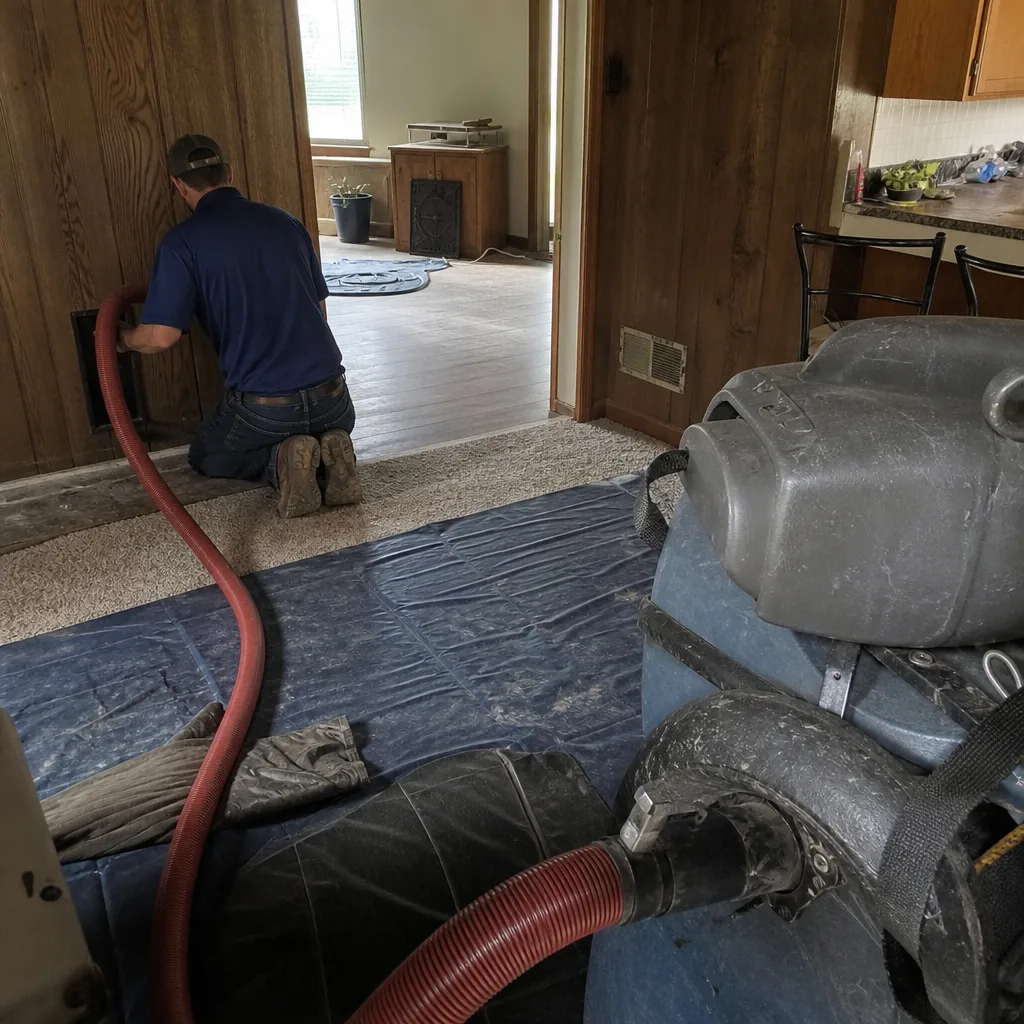 Before
 After
 Before
 After
 Before
 After
When to Call a Professional
Call us when you want the cleaning work done right and the permit question answered honestly rather than glossed over. Call us when your technician at another company has recommended duct repair and you want a second opinion in writing. Call us when your system is losing air, when you’ve just bought a home in Central Park, CO and want to know the true condition of the duct system, or when allergy symptoms have gotten worse and you want professional-grade cleaning rather than a shop vacuum. Call us when you want the full system evaluated, including ducts, dryer vent, HVAC unit, and duct integrity, by a team that uses Rotobrush and Nikro equipment and knows the difference between cleaning a system and modifying it. Air Duct Cleaning Central Park offers free estimates in Central Park, CO. Call (833) 509-5525. We answer 24/7. Fast dispatch from 7am to 7pm, Sunday through Friday.
Frequently Asked Questions
No. Cleaning an existing duct system does not require a permit in Central Park or anywhere in Colorado. A permit typically becomes relevant only when the work crosses into duct modification, such as cutting new openings or replacing components. Call (833) 509-5525 for an exact quote. Estimates are free.
It depends on the parcel. Central Park, CO sits at the boundary between Adams County and the City of Aurora, and the governing authority is whichever one issued the original certificate of occupancy for the property. The written estimate should name the jurisdiction before any work starts.
It can when the sealing is performed by an unlicensed operator as part of a mechanical modification. Many HVAC manufacturers void warranties on systems modified by unlicensed contractors. A licensed mechanical contractor performing permitted work does not carry this exposure.
Get the license number from the written estimate, then look it up through the Colorado Department of Regulatory Agencies’ Division of Professions and Occupations online lookup. Confirm the business name matches, the license is active, and the classification covers the work being proposed.
A written scope of work, the contractor’s license number and classification, a statement of whether a permit is required, proof of insurance, before-and-after photos of your own ducts, and one flat price per system agreed before work starts. Verbal assurances don’t hold up at resale.
No. Cleaning is not an inspected activity. Inspections apply to permitted duct modifications and to mechanical work on HVAC equipment. A cleaning visit is documented with before-and-after photos of your own system rather than an inspection card.
Professional systems like Rotobrush and Nikro use agitation tools and negative-pressure extraction designed for duct interiors. Repurposed shop vacuums don’t move enough air to remove settled debris. We also deploy Abatement Technologies filtration on site so debris doesn’t cross into living space during the work.
The Bottom Line
Duct cleaning doesn’t require a permit in Colorado, but the work that often accompanies it can. The distinction falls between cleaning existing surfaces and modifying the system itself, and crossing that line without a permit creates warranty, insurance, and resale exposure that shows up years later. In Central Park, CO, confirming which jurisdiction governs the property is step one, and DORA verification of the contractor is step two. Get the scope in writing, get one flat price per system, and get before-and-after photos of your own ducts. That combination protects the homeowner at every stage. If you need professional cleaning with honest scoping of any additional work, Air Duct Cleaning Central Park is the team to call.
If you’re ready to get the system evaluated by technicians using professional equipment, we’re here. Air Duct Cleaning Central Park handles the full system, from cleaning and sealing to sanitizing with Guardsman-grade products and Honeywell and Aprilaire air quality upgrades where they make sense. Call (833) 509-5525 for a free estimate. We answer 24/7. Fast dispatch from 7am to 7pm, Sunday through Friday.
Written by the team at Air Duct Cleaning Central Park.