
Last updated November 25, 2026
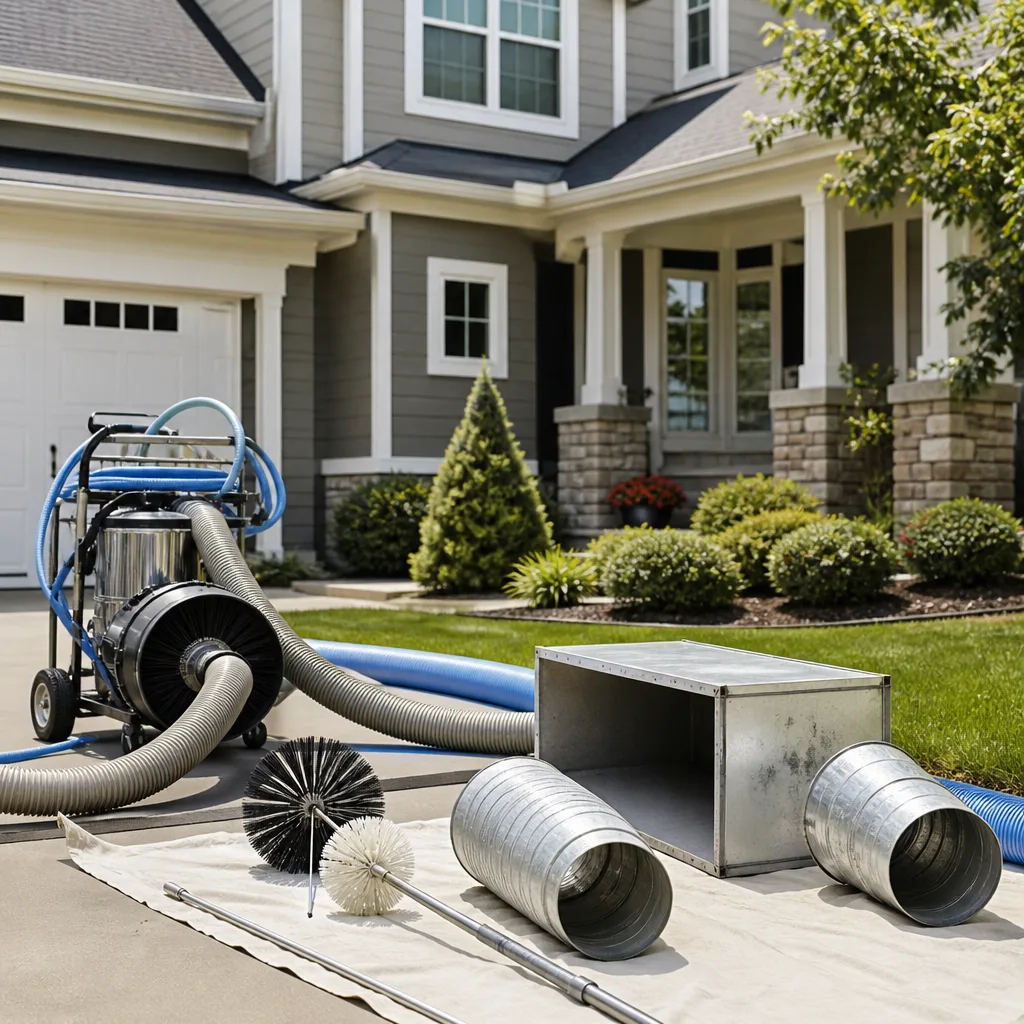 Whole-home duct cleaning
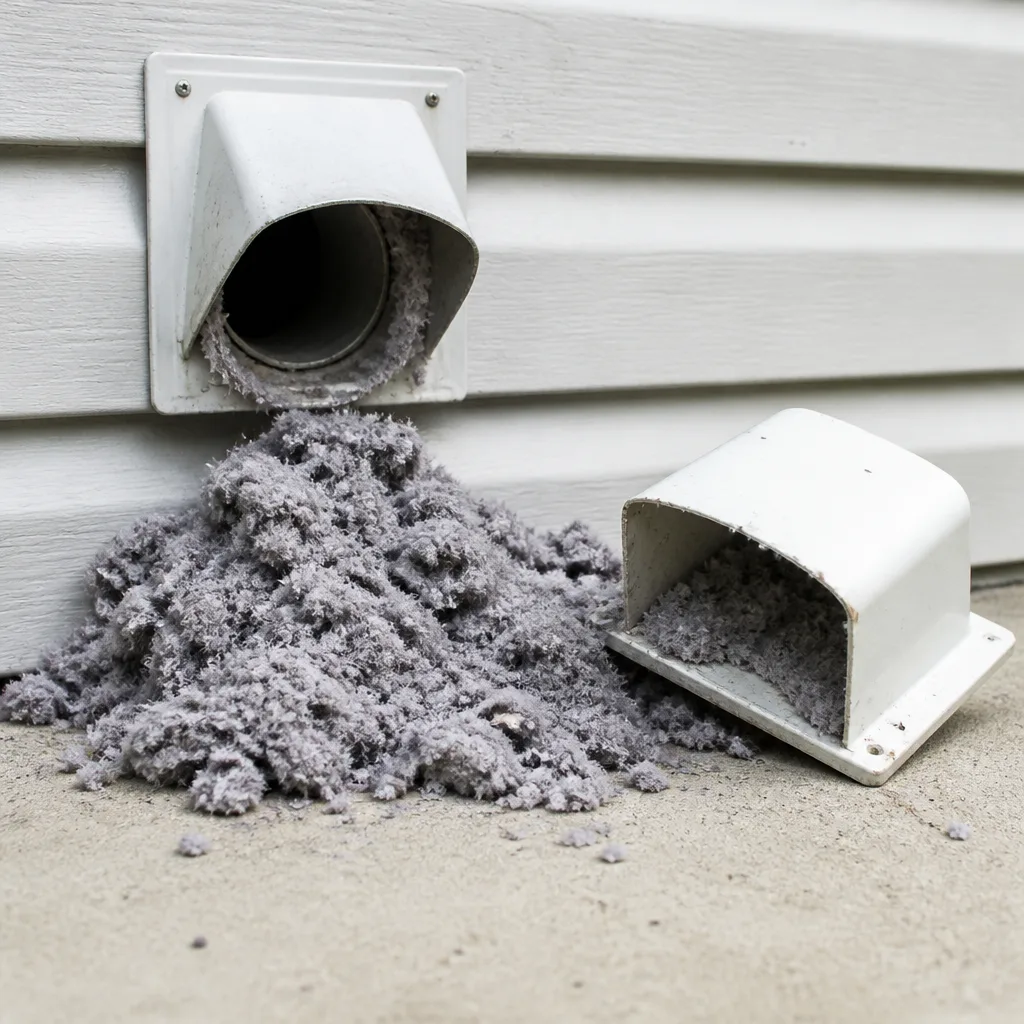 Dryer vent cleaning
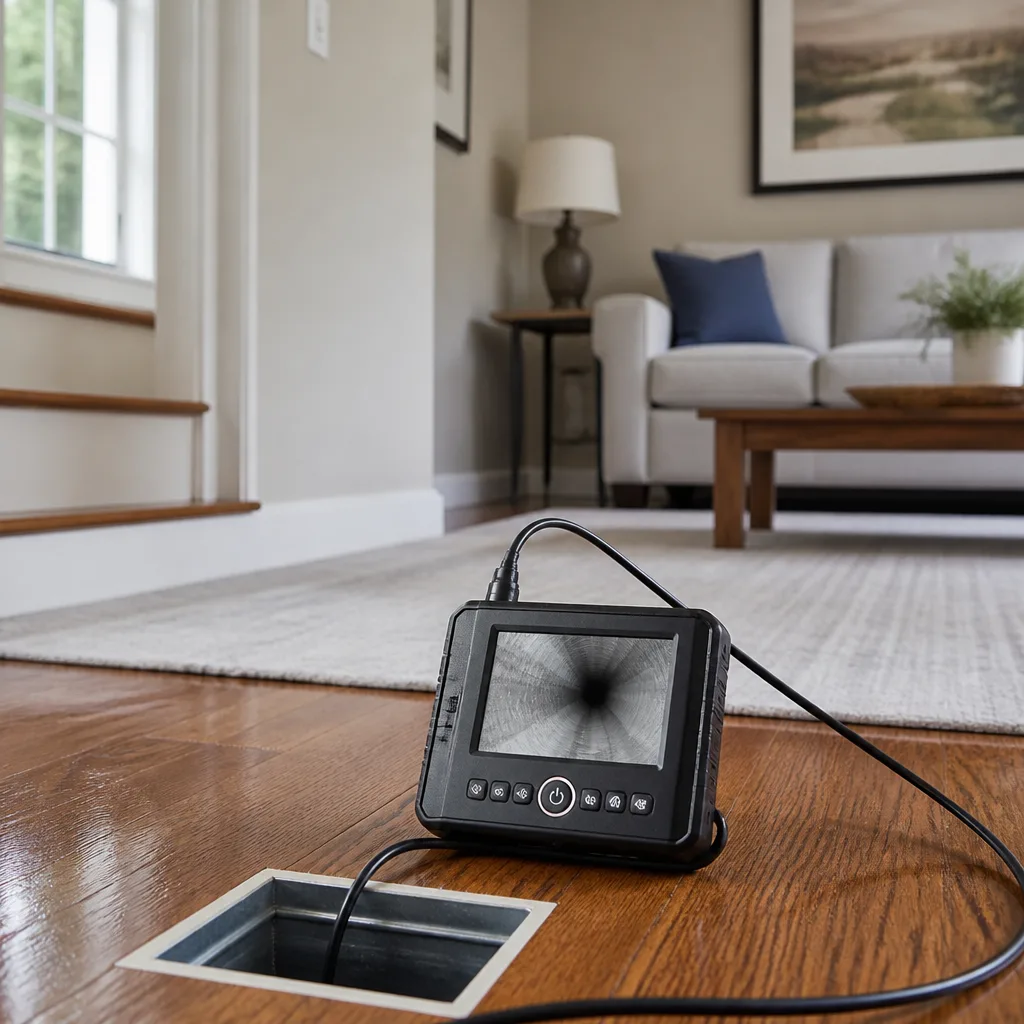 Camera inspection
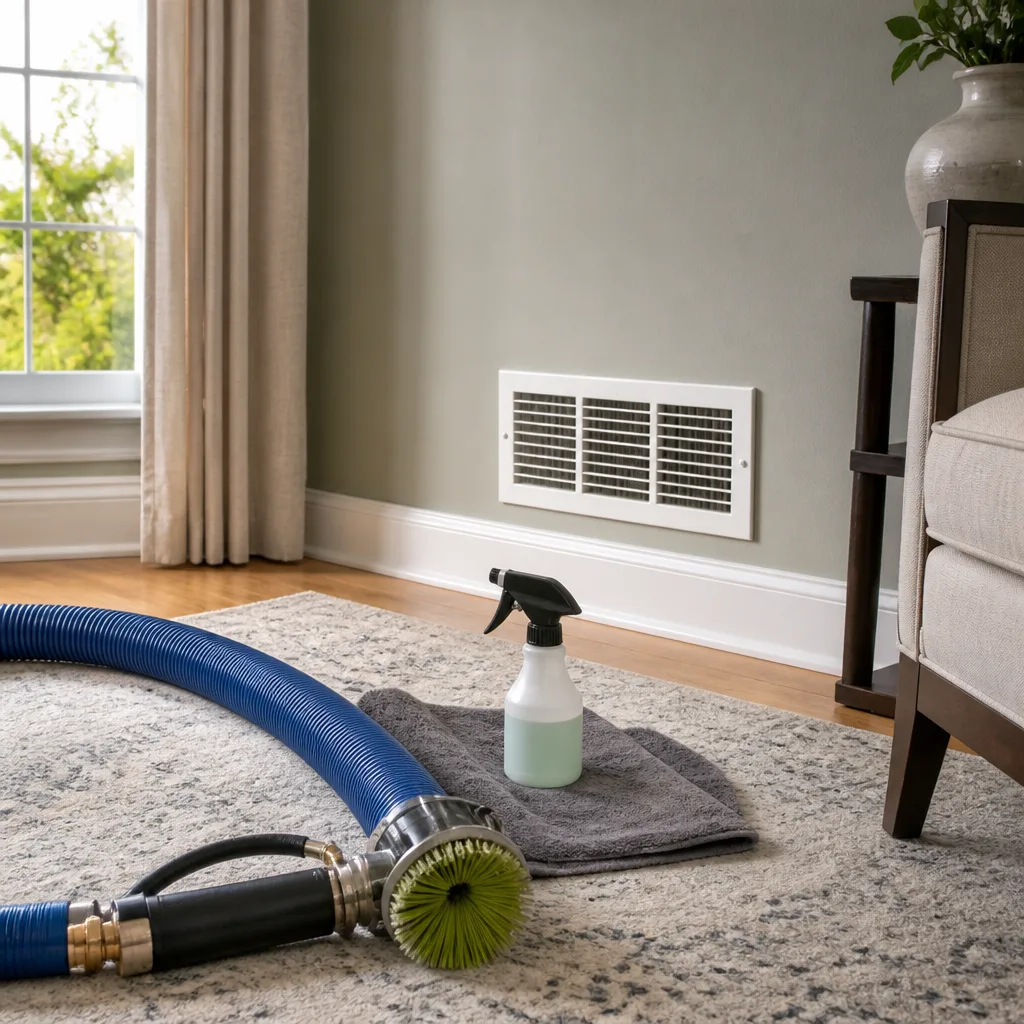 Sanitizing & deodorizing
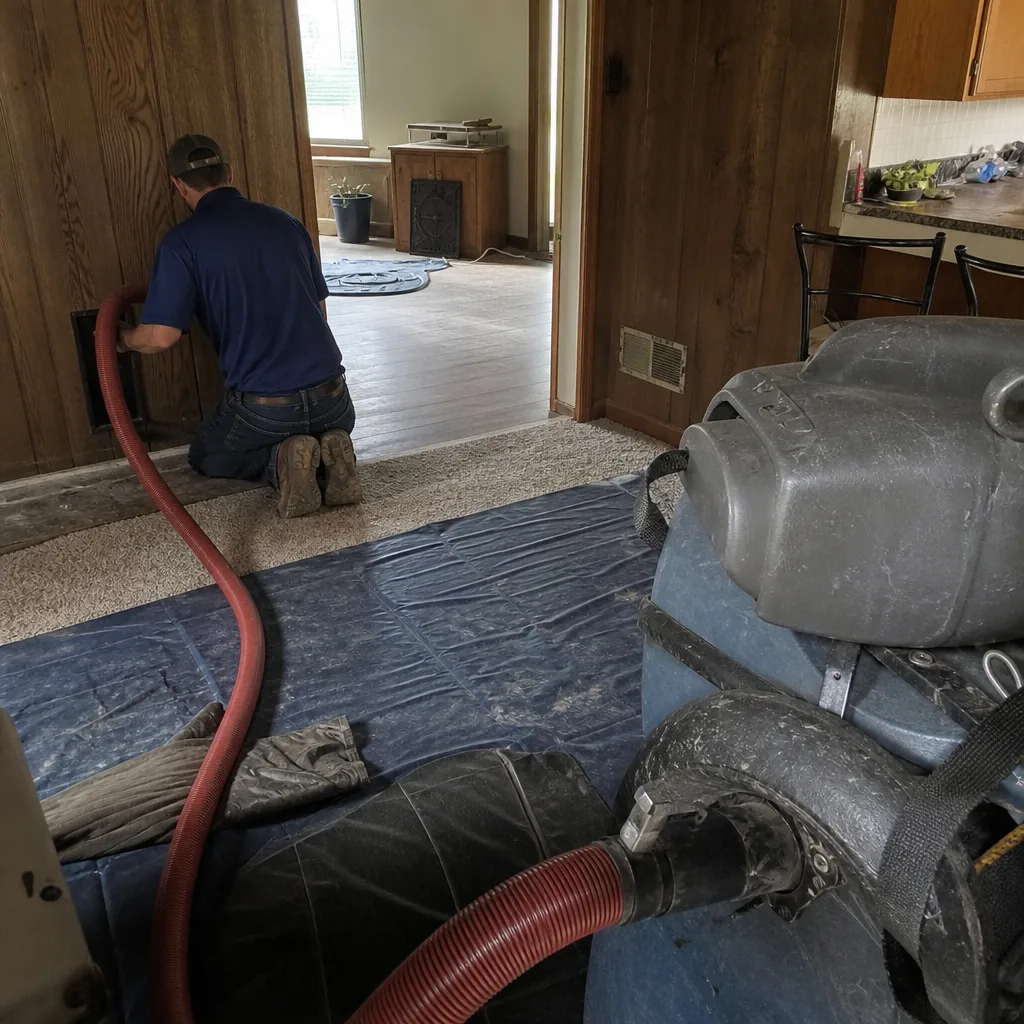
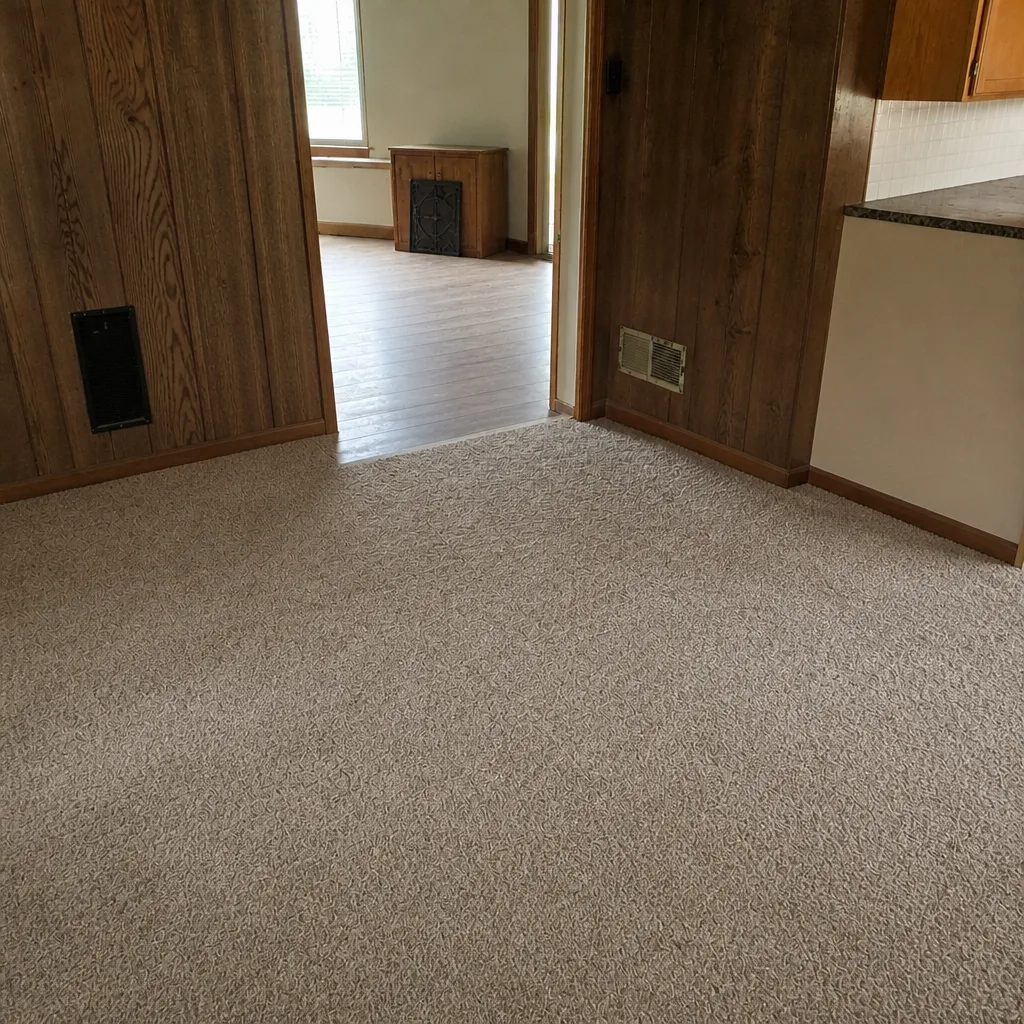
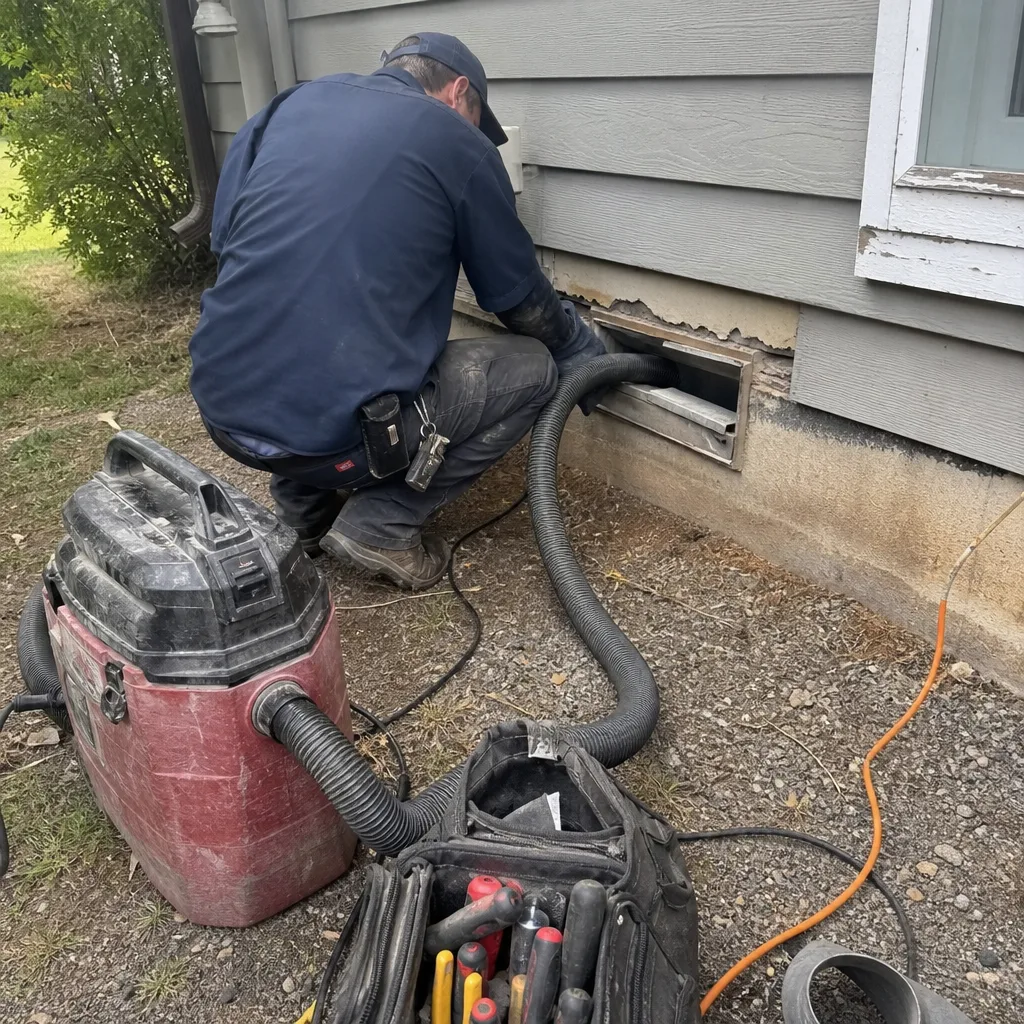
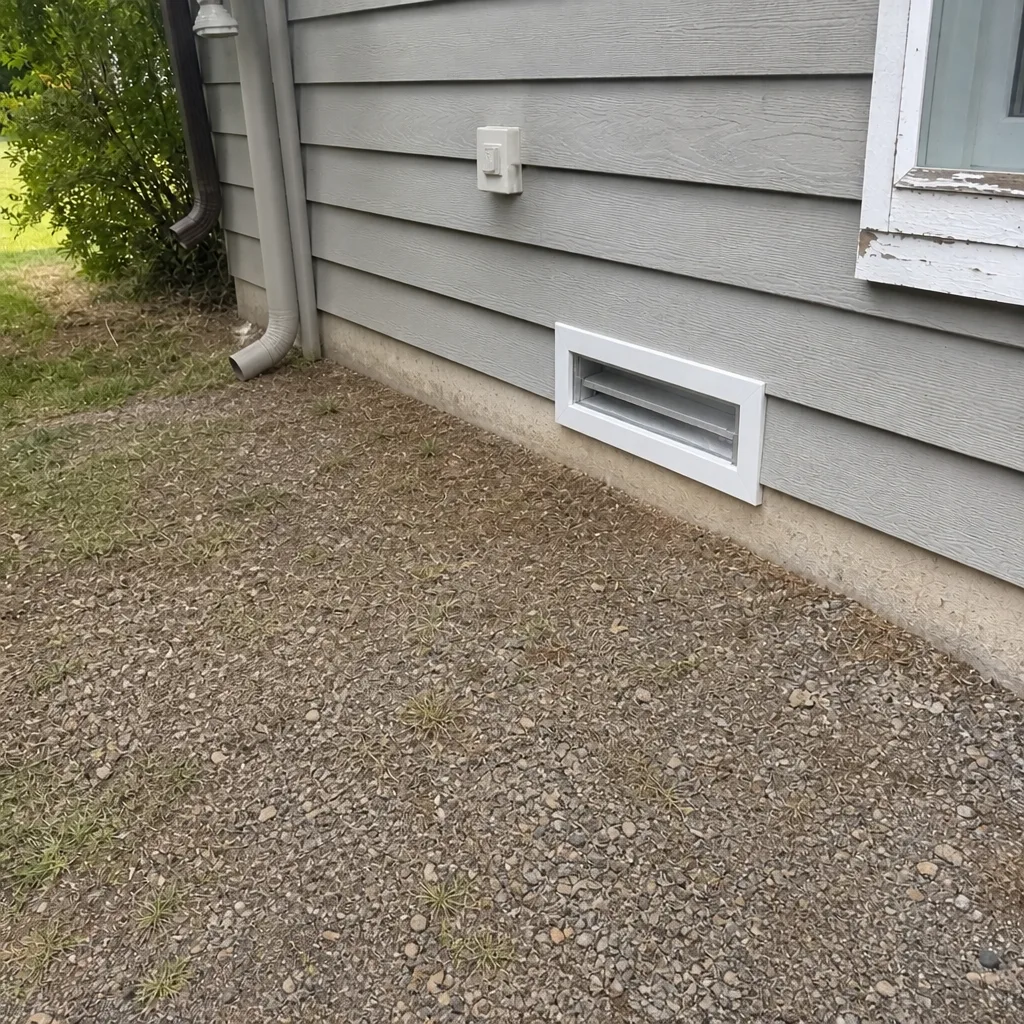
Whole-system duct and dryer vent check with before-and-after photos - you see exactly what came out of your vents
That "$99 whole-house special" is a bait ad - the real number appears once they are in your hallway, or the "clean" is a shop-vac at the register. We photograph the inside of your ducts before and after instead.
Air Duct Cleaning Warning Signs: A Central Park Homeowner’s Reference Guide
If one room in your home is always noticeably dustier than the others, that isn’t random. It’s a directional clue, and it usually points to airflow restriction or a breach somewhere in your duct system. Most homeowners blame the room. The answer is almost always in the ductwork itself. That’s the thing about duct problems in Central Park: the most consequential warning signs aren’t the ones you can see. They’re operational. They show up as longer HVAC runtimes, uneven temperatures, and allergy patterns that track your heating and cooling schedule. This guide teaches you to read those signals correctly, long before contamination becomes a full-system problem. We’ll cover what to look for, what it means, and when it’s time to bring in professional-grade equipment.
Styles & brands we work with
- Whole-home duct cleaning
- Dryer vent cleaning
- Camera inspection
- Sanitizing & deodorizing
Quick Answer
The main warning signs you need air duct cleaning are visible debris blowing from supply registers, a persistent musty or dusty odor when the HVAC runs, increased dust on surfaces shortly after cleaning, rising energy bills with no other explanation, uneven room temperatures, and allergy symptoms that worsen when the system is on rather than with the seasons. In Central Park, the post-renovation period and the region’s dry, windy spring dust load are the two most common triggers we see for a system that’s overdue for a full cleaning rather than a filter change.
Table of Contents
- Why the Most Serious Duct Problems in Central Park Are Invisible
- The HVAC Performance Signals You Should Never Ignore
- Reading Your Vents by Odor: Dust, Mold, and Mechanical Smells
- What Visible Debris at the Register Really Tells You
- Health-Pattern Warning Signs That Follow Your HVAC Schedule
- The Post-Renovation Window: Central Park’s Most Overlooked Trigger
- How a Professional Duct Inspection Actually Works
- Common Mistakes to Avoid
- When to Call a Professional
- Frequently Asked Questions
- The Bottom Line
Why the Most Serious Duct Problems in Central Park Are Invisible
Most people picture dirty ducts as something grey and fuzzy you can spot from the floor. The reality is more subtle. By the time a duct system has enough debris buildup to show visible signs, the contamination has already been accumulating inside the plenum, the trunk lines, and the branch runs for years. The most reliable early indicators are functional: how your HVAC behaves, how your house feels, how your family responds to the air. Those are the signals worth learning to read.
Here’s the technical reason. A residential duct system is a closed pressure network. When debris accumulates on the interior walls of a flexible duct, it changes the effective diameter of the airway. Even a modest layer reduces airflow volume because the system was sized for a specific resistance. That means a central air handler designed for 1,200 cubic feet per minute starts working harder to deliver the same cooling, extending runtime and raising static pressure across the system. You don’t see the debris. You see the symptoms downstream of it.
Central Park’s climate makes this worse in a specific way. The Front Range sits at altitude with a dry, dusty spring pattern and wide temperature swings between day and night. That cycle pulls fine particulate through return air and lets it settle in the ductwork, where conventional filtration can’t reach it. Homeowners often upgrade to a better furnace filter and assume the problem is solved. But a filter captures what passes through it, not what’s already sitting on the duct walls. Those are two different problems, and only one of them responds to a filter change.
So when we walk into a home in Central Park to assess the duct system, we’re not looking only at the registers. We’re looking at static pressure, airflow at each branch, filtration efficiency against the system’s rated capacity, and how the whole distribution network is behaving as a unit. If you want a full picture of that process, our Air Duct Cleaning Central Park service page walks through how we evaluate and clean a system.
The HVAC Performance Signals You Should Never Ignore
Increased runtime, uneven temperatures room to room, and reduced airflow from specific registers are usually duct restriction symptoms, not equipment failure. If your system has been serviced recently and the technician says the compressor, blower, and refrigerant charge are fine, the diagnostics should turn to the ductwork next. That’s where the restriction is most likely hiding.
Watch for these specific HVAC behavioral signals:
- Longer cycles with the same setpoint. If your system used to reach temperature in 10 minutes and now takes 20, airflow restriction is a leading suspect.
- Temperature drift from the thermostat. A home that struggles to hit setpoint during heat or cooling season often has a distribution problem rather than a capacity shortfall.
- Weak airflow at one or two registers. A directional signal. The problem is likely a restriction or disconnection in that branch, not the main unit.
- Rising static pressure on a properly installed system. Technicians can measure this. It’s the single clearest diagnostic indicator of duct interior contamination.
- Whistling or hissing at a supply vent. Air moving through a restricted airway creates turbulence noise.
- Short cycling after a filter change. Sometimes the fix makes the retrofit mismatch worse, especially if the filter is too restrictive for the system.
Here’s how we tell the difference between an HVAC equipment problem and a duct problem. Equipment problems show up as a mechanical fault: a failing capacitor, a dirty evaporator coil, low refrigerant. Duct problems show up as a distribution problem: the equipment runs fine but can’t push the air where it needs to go. In our experience, homeowners in Central Park tend to replace equipment first and investigate the ductwork later. Reversing that order usually saves money.
If you’ve already had the equipment checked and the runtime is still climbing, that’s a strong signal to schedule HVAC cleaning and duct inspection together. Both systems are interlocked and should be assessed as one.
Reading Your Vents by Odor: Dust, Mold, and Mechanical Smells
The smell coming from your vents is a diagnostic clue, and different odors point to different problems. A musty, earthy smell suggests biological growth and moisture somewhere in the system. A dry, dusty, chalky smell suggests accumulated particulate. A hot, plasticky, or metallic burning smell suggests a mechanical or electrical problem and should be treated as a safety concern. Each one leads to a different response.
Here’s how to interpret each category:
- Dust odor. Dry, powdery, faintly chalky. Caused by accumulated particulate in the duct interior or on the filter. Not typically urgent on its own, but it’s a clear indicator the duct system is holding debris that a filter alone isn’t capturing.
- Musty or earthy odor. Indicates moisture and possible microbial growth in the ductwork, often near the evaporator coil or in flexible duct sections where condensation collects. In a dry Central Park climate, this smell is less common than in humid regions, but it can still appear when a system has a slow condensate leak or humidity intrusion from a poorly sealed return.
- Mechanical burning or hot plastic odor. Stop and call for service. This can indicate an overheating blower motor, wiring issue, or a failing component. Do not continue running the system until it’s inspected. Some of these conditions are safety hazards, and the fix is a trained professional, not a cleaning visit.
- Chemical or paint odor. Often appears after home improvement work and is a sign that off-gassed VOCs and paint particulate have been pulled into the ductwork through the return. Coupled with the renovation dust covered later in this guide, this is a strong signal for a post-project cleaning and sanitizing.
When we respond to an odor call in Central Park, the first step is always a diagnostic, not a cleaning. We’re determining whether the source is biological, mechanical, or construction-related, because each requires a different approach. For biological or particulate sources, we use professional-grade filtration equipment from Abatement Technologies during service to contain debris and protect the living space while work is in progress. For antimicrobial treatment, we use Guardsman-grade sanitizing products as part of an Air Quality & Sanitizing visit, not as a substitute for cleaning.
What Visible Debris at the Register Really Tells You
If you can see debris at a register grille, contamination has likely moved past the point where your filter can contain it. The filter sits upstream of the duct distribution, so anything visible at the supply register is debris the system has already pushed through, which means the source is deeper in the ductwork than most homeowners realize. Visible buildup usually indicates a problem that extends through the plenum, trunk, and branch runs, not just near the vent.
Think about it this way. The register is the endpoint of the system. If the system is pushing enough contamination to pile up visibly at the endpoint, the pathway leading to that endpoint is doing the same thing along its entire length. What you see is a fraction of the total. This is why quick-fix approaches like vacuuming around the register or swapping the grille don’t work. The debris load is systemic.
Things worth inspecting yourself before calling:
- Shine a flashlight through the register and look behind the grille, not just at the face of it.
- Wipe the inside of the grille with a dry white cloth. Grey or black film buildup over a season is a signal.
- Look for rust or mineral staining near the register and at the duct collar.
- Check the return-air grille, which is often overlooked. Returns are the entry point for most contamination.
- Note which registers show the most debris. Directional clues are useful during a professional inspection.
When you want the whole system cleaned, the right approach is a staged one. Professional duct cleaning starts with negative-pressure containment, uses rotary brush systems and high-volume HEPA filtration to pull debris out of the full distribution network, and finishes with a verification pass. In our work we use Rotobrush and Nikro equipment because these systems are designed specifically for residential duct cleaning. They’re not repurposed shop tools. That distinction matters when the goal is to remove contamination without re-contaminating the living space. Our air duct cleaning page covers the full process, and if you want to see what verification looks like we can walk you through it during a free estimate.
Health-Pattern Warning Signs That Follow Your HVAC Schedule
The most useful health signal isn’t “does your family have allergies” (most families do). It’s “do those symptoms track the HVAC schedule.” If sneezing, congestion, or eye irritation worsens specifically when the system is running and improves when it’s off, the ductwork is a likely contributor. Seasonal allergies follow pollen calendars. Duct-driven symptoms follow the thermostat.
Here’s how to test the pattern yourself:
- Track symptom timing for a week. Note when symptoms flare. Compare to the HVAC cycle, not to the weather forecast.
- Correlate by room. Symptoms concentrated in bedrooms or basement rooms point to specific branch lines or returns that serve those spaces.
- Note reactions to the start of the heating or cooling season. The first few days after switching modes push a layer of settled debris into the air.
- Track response to a filter change. If symptoms improve for a few days and then return, the filter is doing what it can and the system needs a deeper clean.
- Watch for reactions after renovation or new furniture. That’s a specific trigger, covered in the next section.
This isn’t a medical diagnosis. It’s a pattern recognition exercise. When the pattern points to the ductwork, the ductwork is worth inspecting. Homeowners in Central Park are often dealing with multiple seasonal triggers at once (spring pollen, wildfire smoke episodes from further west, dry winter heating), and separating duct-driven symptoms from seasonal ones is exactly why tracking the HVAC schedule helps. When symptoms improve in one room but not another, and the only difference between the rooms is airflow and duct run, the picture becomes clearer.
For homes where the pattern is strong, upgrading filtration on the system is a second step worth discussing. We work with Honeywell and Aprilaire product lines so we can recommend the right filtration or humidity control solution once the ductwork is clean, not before. Cleaning without filtration improvement can leave the system vulnerable to rapid recontamination.
The Post-Renovation Window: Central Park’s Most Overlooked Trigger
If your home has had renovation work in the last 12 months, treat the ductwork as a priority, not an option. Drywall dust, insulation fibers, sawdust, and paint particulate are pulled into the return system by normal HVAC operation during construction, and they lodge in duct interiors where the standard filter never reaches. Central Park has an active renovation market, and in our experience the post-project cleaning is the most commonly skipped step in the whole project.
The failure usually looks like this. Contractors seal off rooms with plastic sheeting, which is good. But they rarely seal or shut down the return-air system during drywall work. Every time the HVAC runs to keep the crew comfortable, it draws airborne construction dust into the return, through the filter (which saturates fast), and deposits what the filter misses into the duct interior and often onto the evaporator coil. By the time the project wraps, the ductwork is holding a fine layer of construction particulate that will blow back into the house for seasons.
Specific signals for a post-renovation inspection:
- Drywall dust appearing on horizontal surfaces after the project is complete, especially near supply registers.
- A persistent chalky or chemical smell when the HVAC runs.
- A filter that loads up much faster than usual after renovation.
- Visible dust at the top of return grilles.
- Newly installed flooring, cabinetry, or insulation in the same season as the HVAC first start-up.
When the renovation involved heavy drywall or insulation work, the inspection should extend to the evaporator coil and blower. Drywall dust on a wet evaporator coil turns into a paste that degrades cooling efficiency and can harbor biological growth. That’s why we treat HVAC cleaning and duct cleaning as a single scope for post-renovation work: the contamination doesn’t respect the boundary between them. If you’re working with a property manager or general contractor, we can coordinate a post-project cleaning visit around the punch list.
One more thing worth mentioning: dryer vent ducting is a separate system with its own failure modes and its own fire risk, and renovation work often exposes or modifies it. Dryer vent cleaning as part of the post-renovation scope is worth asking about, especially if the renovation rerouted the laundry.
How a Professional Duct Inspection Actually Works
A professional duct inspection starts with airflow measurement and visual access to the system interior, not just a flashlight through the register. The goal is to establish how the system is behaving as a network (static pressure, airflow, filtration effectiveness), not just whether any individual duct looks dirty. That network view is what separates a professional diagnostic from a quick visual pass.
Here’s the sequence we follow:
- Intake and history. Home age, HVAC age, recent renovations, filter changes, and known concerns.
- Airflow measurement. Static pressure and flow readings at the return and key supply branches.
- Interior visual inspection. Camera or direct access into the plenum, trunk lines, and selected branches to confirm the source and scope.
- Duct integrity check. Look for disconnected joints, crushed flexible runs, and gaps at the collar. Breach points are where contamination re-enters and where air loss happens.
- Recommendation. A scope of work and a flat price per system, agreed before any work starts.
- Cleaning and verification. When approved, cleaning runs under negative pressure with professional-grade filtration, and the finished system is verified with before-and-after photos of your ducts.
The integrity check step matters more than most homeowners realize. Cleaning a duct network without addressing disconnected joints or crushed sections is a temporary fix, because contamination re-enters the same way it got in. That’s why our Duct Repair & Sealing service runs alongside the cleaning work rather than being an afterthought. It’s also why we don’t quote a cleaning without seeing the system. The written estimate is per system and sets the final price, and there’s no per-vent pricing or teaser figure.
Common Mistakes to Avoid
- Assuming a filter upgrade solves the problem. A filter captures what passes through it. It doesn’t clean what’s already deposited on duct walls, plenum interiors, or the evaporator coil. If the debris is already there, a filter change is a holding action, not a fix.
- Trusting visible cleanliness as a diagnostic. Clean-looking registers say nothing about the interior of the trunk or plenum. A system can look fine at the grille and be heavily contaminated at the plenum. Insist on an interior inspection before accepting any assessment.
- Skipping the post-renovation cleaning. In Central Park’s active renovation market, this is the most skipped step of the whole project. Drywall dust and insulation fibers get pulled into the system during construction and settle out for seasons afterward. Schedule the cleaning as part of the punch list.
- Hiring a crew using shop vacuums and leaf blowers. These tools can’t evacuate debris from the full distribution network and can re-contaminate the living space. Professional systems like Rotobrush and Nikro exist for a reason, and Abatement Technologies filtration is used on-site specifically to protect your home during the process.
- Ignoring a burning smell because “the system still works.” A mechanical burning odor is a safety concern, not a cleaning topic. Shut the system down and get it inspected before running it again. Cleaning won’t fix an electrical or motor fault.
- Choosing the cheapest quote without understanding scope. Cheap quotes usually skip the containment, the negative-pressure verification, the interior inspection, and the duct integrity check. What they save on the front end, you pay for with rapid recontamination or a system problem that goes unaddressed.
- Cleaning without addressing duct leaks in an aging system. In a home where flex duct has been crushed, taped at joints, or partially disconnected, cleaning the ducts without repairing the network is a cycle that repeats. Sealing is the root-cause fix.
When to Call a Professional
Call a professional when you can see debris at more than one supply register, when a musty odor appears every time the HVAC runs, when someone in the home has symptoms that track the system’s operation rather than the pollen season, or when renovation work has been completed in the last year and no post-project cleaning was done. Also call if your HVAC runtime has grown but equipment diagnostics have come back clean, if a burning smell appears at any vent, or if you’re buying a home in Central Park and the inspection report flags the duct system. These situations benefit from an interior inspection and, where indicated, a full-system cleaning with professional-grade equipment. Air Duct Cleaning Central Park offers free estimates in Central Park. Call (833) 509-5525 and we’ll schedule an inspection at a time that works for you. We answer 24/7. Fast dispatch from 7am to 7pm, Sunday through Friday.
Frequently Asked Questions
Dust that reappears on horizontal surfaces within a day or two of cleaning, especially near supply registers, points to the duct system rather than the room. Room dust settles and stays settled. Duct-driven dust keeps getting reintroduced every time the HVAC runs. If the reappearance tracks the system’s cycle, it’s a duct signal.
A single dusty room usually means a restriction, disconnection, or imbalance in that branch line, not a whole-system cleaning need. The directional pattern is the diagnostic clue. An inspection should focus on that branch and the return serving it. Call (833) 509-5525 for a free estimate if you want it looked at.
Slight dust burn-off for the first hour or two of the heating season is normal. A musty, earthy smell that persists, or returns every time the system cycles, is not. Persistent mustiness suggests moisture and possible biological growth in the ductwork or at the evaporator coil. That warrants an inspection. Call (833) 509-5525 for a free estimate.
As soon as the construction dust has settled and the contractors are done with final cleanup, typically within a few weeks of project completion. Waiting longer allows drywall dust and insulation fibers to work deeper into the plenum and coil. If the project involved heavy drywall or insulation work, treat HVAC cleaning and duct cleaning as a single scope.
Cheap quotes usually skip the professional containment, the interior inspection, the negative-pressure verification, and the duct integrity check. Some use shop vacuums or leaf blowers rather than duct-specific equipment. The work looks fast and cheap because the scope is smaller, not because the price is better. Ask what’s included before comparing prices, then schedule a free estimate with us at (833) 509-5525.
Most homes need it every three to five years, more often with pets, recent renovation, or allergy-sensitive occupants, and less often in homes with upgraded filtration and well-sealed ducts. There’s no universal schedule. The signals in this guide tell you when your specific system is ready. When the signals appear, call (833) 509-5525 for a free estimate rather than guessing.
The Bottom Line
The duct problems that matter most in Central Park are the ones you can’t see. Read the operational symptoms (runtime, temperature, airflow), read the health patterns (do they track the HVAC schedule?), read the odors (dust, musty, or mechanical), and treat any renovation in the last year as a mandatory inspection trigger. Address what you find with equipment designed for the job, not repurposed shop tools. Air Duct Cleaning Central Park handles air duct cleaning, dryer vent cleaning, HVAC cleaning, duct repair and sealing, and air quality and sanitizing as one scope so the system is treated as the single network it is. Our technicians have up to 15 years of experience working on residential systems, and every estimate is free with a flat price per system agreed before work starts.
If anything in this guide sounds familiar, call Air Duct Cleaning Central Park at (833) 509-5525 for a free estimate. We answer 24/7. Fast dispatch from 7am to 7pm, Sunday through Friday. A written estimate sets the final price, and you’ll see before-and-after photos of your own ducts before we wrap up.
Written by the team at Air Duct Cleaning Central Park.
See the difference
 Before
 After
 Before
 After
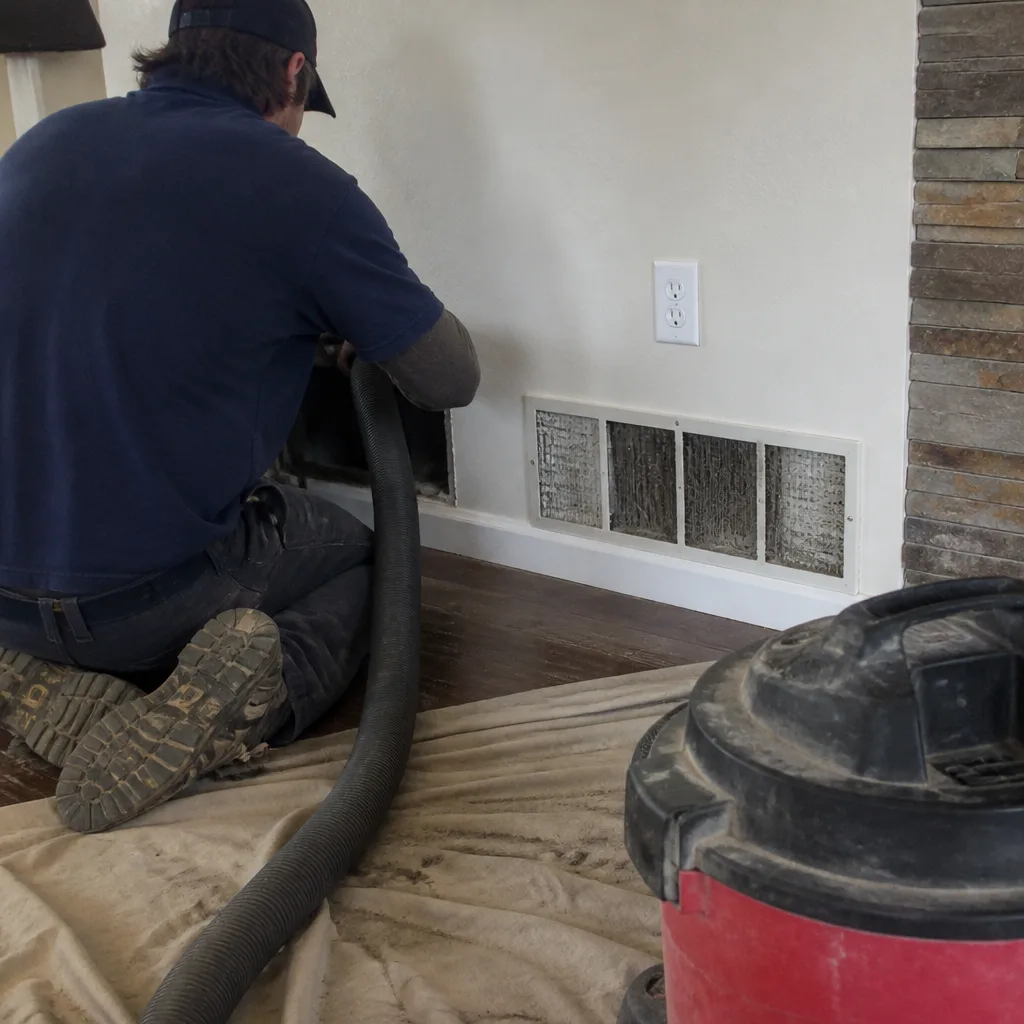 Before
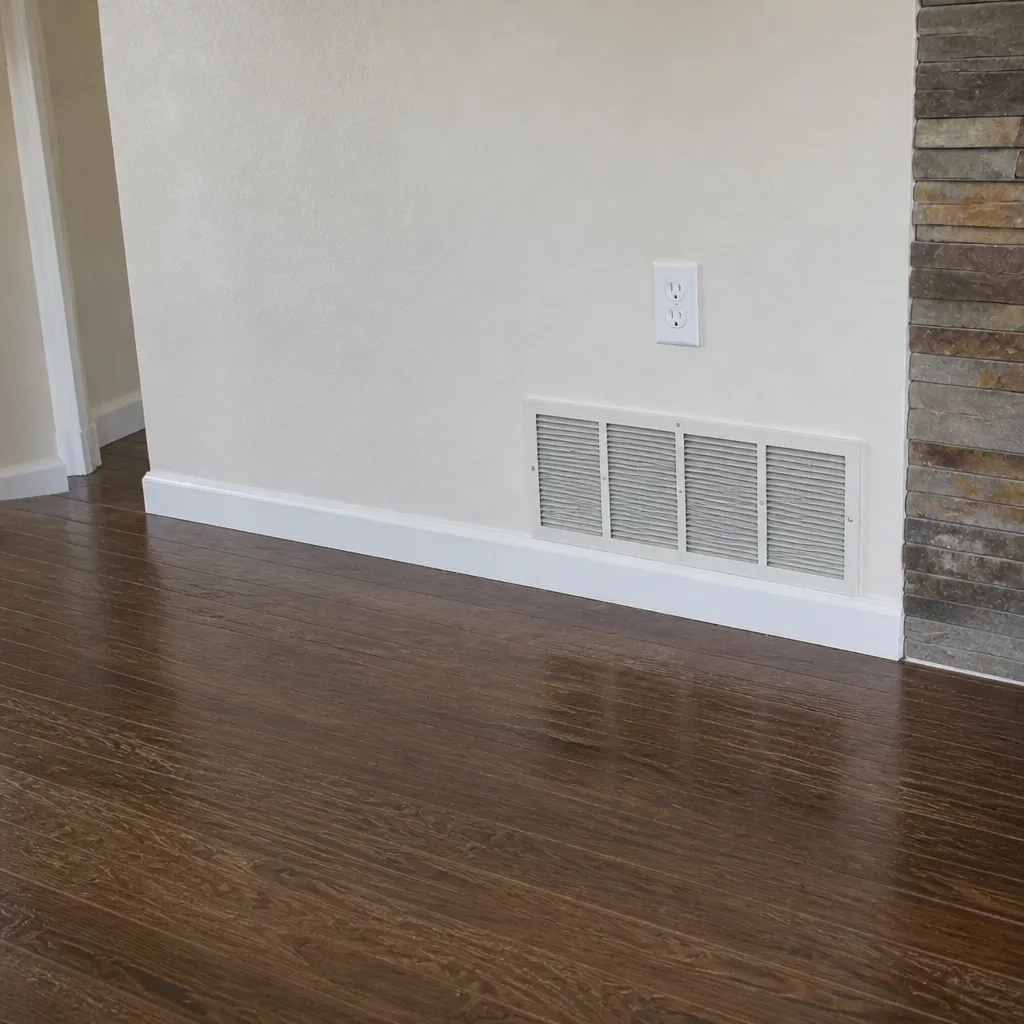 After