
Last updated November 25, 2026
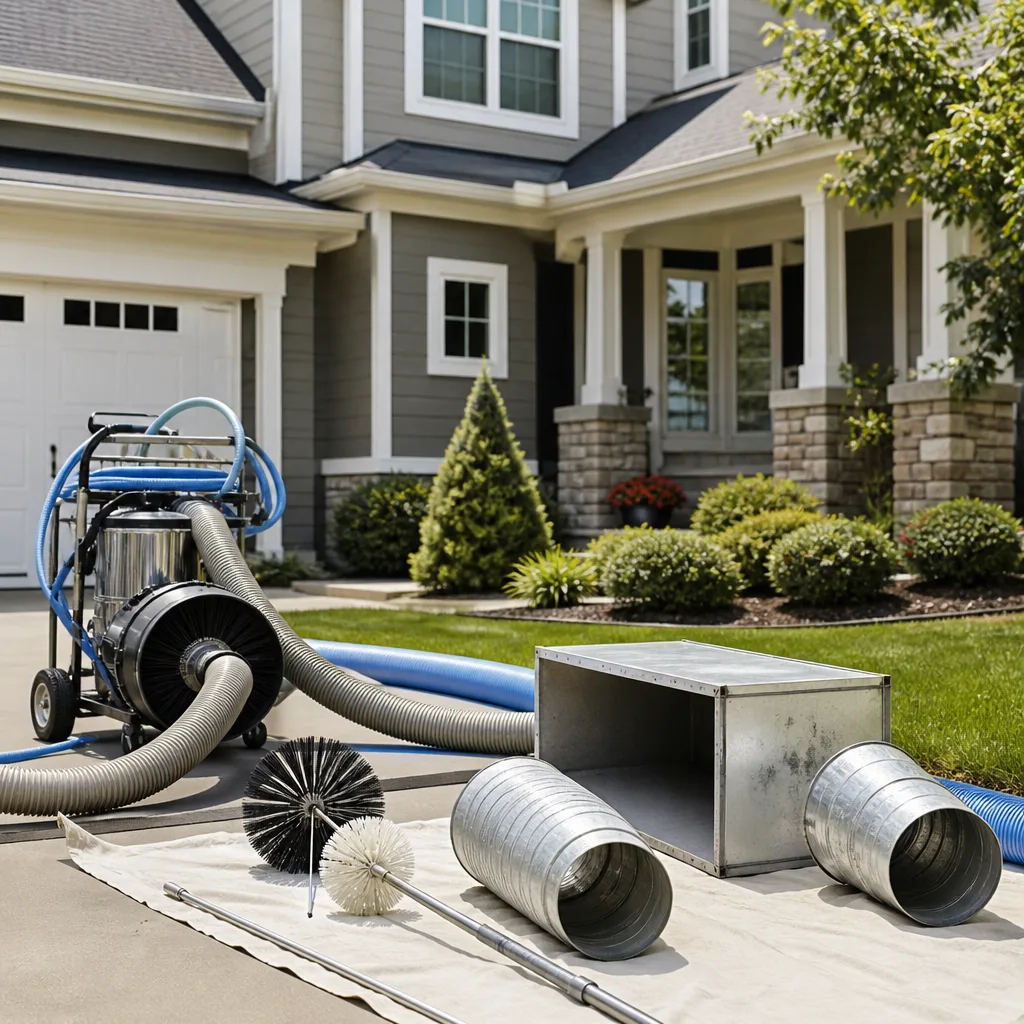 Whole-home duct cleaning
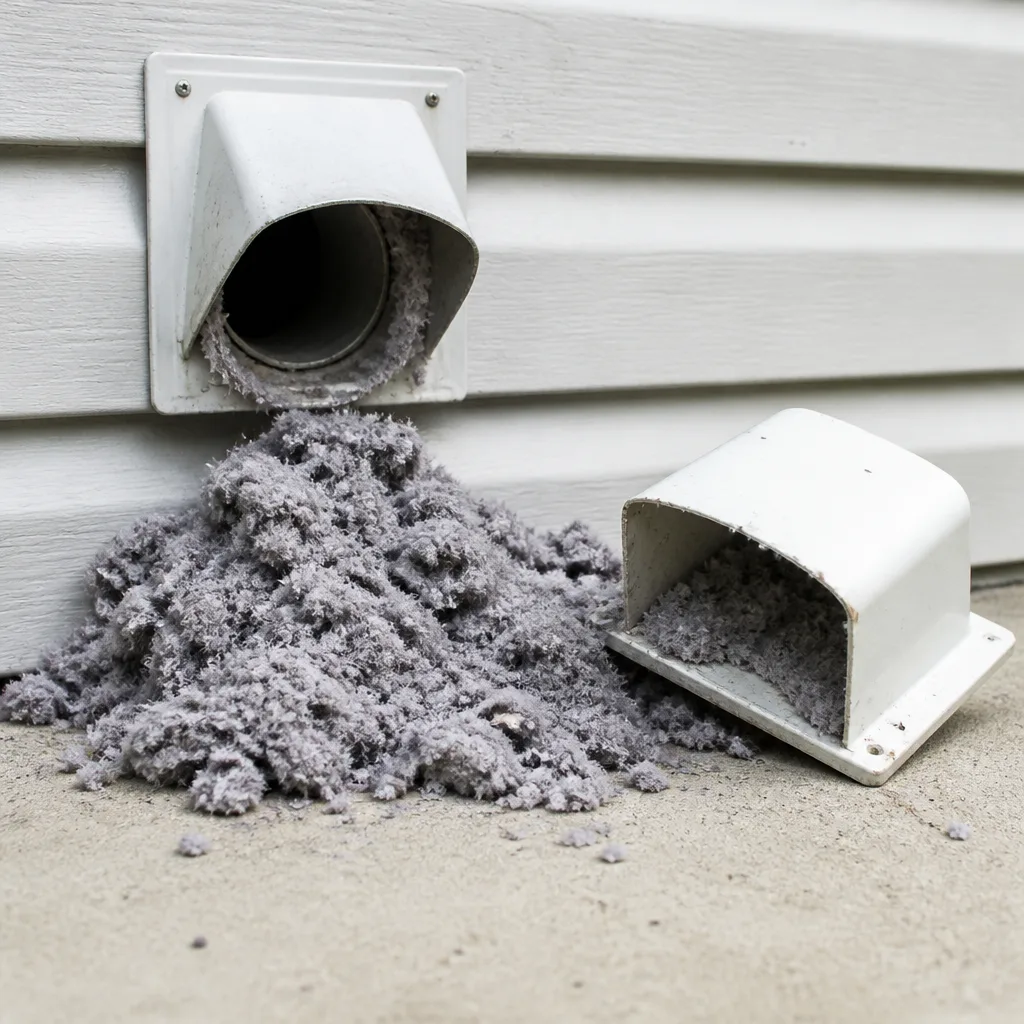 Dryer vent cleaning
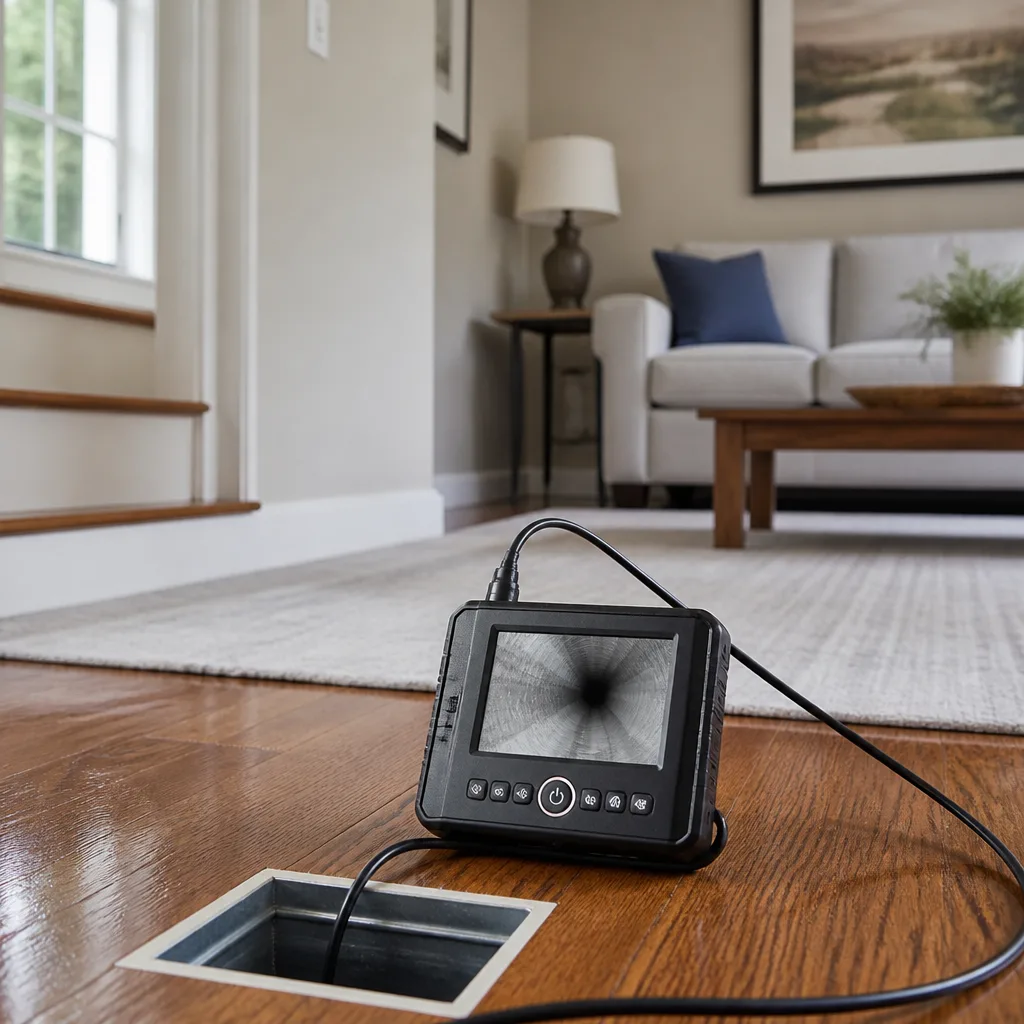 Camera inspection
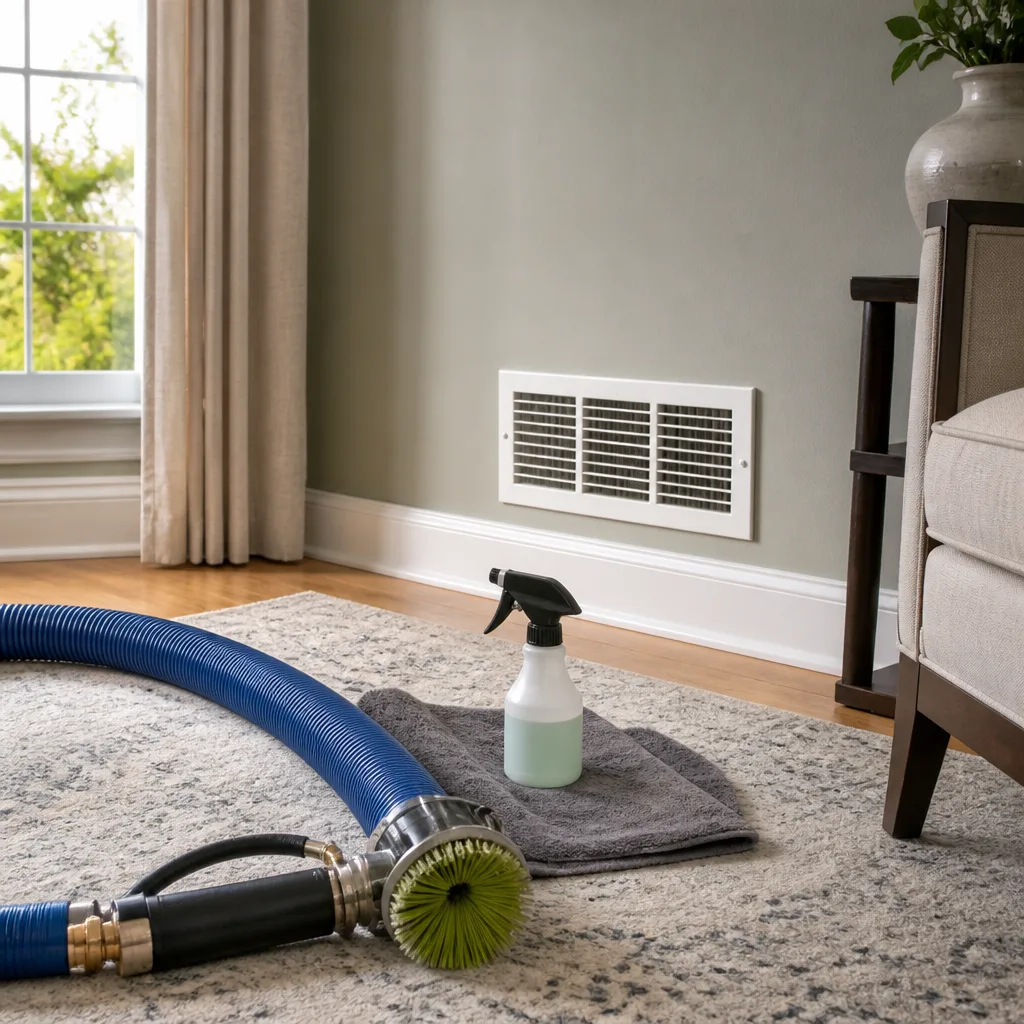 Sanitizing & deodorizing
Whole-system duct and dryer vent check with before-and-after photos - you see exactly what came out of your vents
That "$99 whole-house special" is a bait ad - the real number appears once they are in your hallway, or the "clean" is a shop-vac at the register. We photograph the inside of your ducts before and after instead.
Air Duct Cleaning Cost Breakdown: The Central Park Homeowner’s Reference for 2026
The duct cleaning quote most homeowners in Central Park hold in their hands is barely a quote at all. It is an entry price. A $99 special or an $89 whole-home offer usually covers three to five vents in the operator’s pricing model, and the average Central Park home has somewhere in the neighborhood of 15 to 25 vents. Work out the math and you’re looking at a real number three to four times the advertised figure, and that’s before the add-ons appear. This guide decodes the actual structure behind air duct cleaning pricing so a Central Park homeowner can compare quotes on the same footing and know exactly what’s being paid for.
Quick Answer
Full-system air duct cleaning in Central Park typically runs $400 to $900 for a standard home, with larger homes and heavier contamination pushing toward $1,200. Per-vent pricing is a legitimate model but obscures the real ceiling because most homes need 15 to 25 vents cleaned, and any quote under $150 for a full home almost certainly reflects limited equipment and a partial job. The written estimate, not the phone number, sets the final price.
Styles & brands we work with
- Whole-home duct cleaning
- Dryer vent cleaning
- Camera inspection
- Sanitizing & deodorizing
Table of Contents
- The Three Pricing Models: Per-Vent, Flat-Rate, and Per-Square-Foot
- Legitimate Add-Ons Versus Upsells That Rarely Deliver
- What Drives Price in the Central Park and Denver Metro Market in 2026
- How Your Home’s Ductwork Affects the Estimate
- What a Suspiciously Low Quote Really Signals
- Why the Machine Matters More Than the Price
- Comparing Quotes Line by Line
The Three Pricing Models: Per-Vent, Flat-Rate, and Per-Square-Foot
Duct cleaning operators price one of three ways, and each model tells you something about how the job will be scoped and how the invoice will behave once a technician is inside the door.
Per-vent pricing charges a rate per register, often bundled with a low first-three-or-five-vent teaser. It is the most common source of the bait-and-switch problem because the price on the ad covers only a fraction of the system. A Central Park home built in the 1950s or 1960s with a full basement and second-floor bedrooms will often have 18 to 24 supply and return registers. Advertised at $89 for five, the price climbs steeply once the technician counts the rest.
Flat-rate pricing quotes one number per system. It rewards both sides: the homeowner knows the ceiling before work starts, and the operator has priced the labor and equipment honestly instead of relying on a low entry figure. One flat price per system agreed before work begins is the model we use because it removes the incentive to inflate the count on-site.
Per-square-foot pricing ties the quote to the size of the home. It can be reasonable on the surface, but it ignores duct layout entirely. A 2,200-square-foot ranch in Central Park with a simple trunk-and-branch layout in the basement may cost less to clean than a 1,800-square-foot two-story with a finished basement, inaccessible chases, and a second HVAC zone.
Converting quotes for apples-to-apples comparison
- Ask how many registers the quoted price includes, and how many registers your home actually has.
- Ask whether the quote covers the return-air side of the system, not just supplies.
- Ask whether the HVAC unit and coils are included or whether they’re a line-item add.
- Ask what equipment brand and model will be on the truck.
- Ask for the written estimate before the technician arrives, not after.
The last step is where comparison becomes fair. If an operator will not put a flat number on the system in writing, the phone quote is a placeholder. That’s the most reliable early signal of how the invoice will read. To see the recommended full-system scope laid out, the air duct cleaning page describes exactly what a proper cleaning should cover.
Legitimate Add-Ons Versus Upsells That Rarely Deliver
Not every add-on is a scam, and not every one is worth paying for. The difference is whether the add-on addresses a real system condition or pads the invoice with a service the equipment can’t actually improve.
Legitimate add-on services
- Dryer vent cleaning. A real safety service and typically priced $150 to $250 for a standard residential run, depending on length and the number of elbows. Lint accumulation in a vent is a documented fire hazard and cleaning it produces a measurable result.
- Coil cleaning. The evaporator coil on an air handler collects dust and biological film. It is not part of the duct run itself and deserves separate treatment when it’s dirty. Priced $150 to $350 based on accessibility.
- Sanitizing treatment. Legitimate when there’s a verified biological issue, such as post-renovation debris, water intrusion, or a confirmed mold finding. Products must be appropriate to HVAC surfaces. We use product lines suited for the trade, and the treatment should follow cleaning, never substitute for it.
- Duct repair and sealing. This addresses the reason contamination recurs: gaps, disconnected joints, crushed sections. Cleaning alone won’t fix them, and sealing is often the highest-value line-item on the invoice.
Upsells that rarely deliver measurable value
- Fogging or misting upgrades pitched on the phone. A treatment applied to ducts that haven’t been cleaned first is cosmetically useful at best.
- Zone-by-zone “deep cleaning” tiers on a system that’s already been cleaned. Asking to double-clean the same zone is a sign the technician is working against a sales quota.
- UV lights pitched as a duct-cleaning substitute. UV in the right location has a role in air handlers, but it does not clean ducts. The HVAC cleaning page explains where UV belongs.
- Filters that cost three times retail. Filters do a specific job and are easy to buy yourself. A knowledgeable technician can recommend a MERV rating; upselling the filter at the door is not the same service.
Two other services show up in a full-system visit and both affect air quality. Dryer vent work is often bundled and, done honestly, is one of the best-value items on the list: dryer vent cleaning handling is a straightforward scheduled job. Air quality upgrades with brands like Honeywell and Aprilaire belong in the same conversation when a homeowner wants to go beyond cleaning and improve filtration or humidity control at the system level.
What Drives Price in the Central Park and Denver Metro Market in 2026
Duct cleaning pricing in the Denver metro market is shaped by three cost drivers that don’t show up on the invoice but do explain why two operators in the same city quote very different numbers.
Labor rates. Skilled duct technicians in the Denver metro are compensated at a rate that supports a training pipeline and retention. An operator paying a real wage for a two-person crew needs roughly $60 to $90 per hour of billed labor across the visit, and a full-system cleaning of a typical Central Park home takes three to five hours depending on layout and contamination. Add equipment depreciation and overhead and the honest operating cost of a proper job has a floor well above what a bargain quotation implies.
Equipment depreciation. Professional-grade duct cleaning systems from Rotobrush and Nikro are not cheap. They’re purpose-built machines with containment and negative pressure capability, and their cost has to be recovered over hundreds of jobs. An operator running a shop vacuum with a brush attachment has no such capital cost, which is one reason their quote can undercut the market: the equipment does not remove the same volume of debris.
Insurance and liability cost. Duct cleaning done without proper containment can distribute debris throughout living space. Professional operators carry liability coverage appropriate to the work, and that cost is baked into the quoted price. A cheap operator often carries less. Ask what happens if a duct joint opens or a filter housing cracks mid-job.
Local considerations specific to Central Park and the metro
- Central Park sits on a mix of housing stock, from mid-century homes to recent infill construction along the eastern edge of town. Duct layouts vary widely within a few blocks, which is why estimates have to be per home rather than per zip code.
- The Front Range’s dry air and high indoor-outdoor temperature swing drives heavy furnace use in winter and air conditioning in summer, both of which circulate more air through the ducts than in a milder climate.
- Construction activity means renovation dust is a common reason Central Park homeowners call in the first place. Post-renovation cleaning is a legitimate scope item, not a pitch.
- Newer high-efficiency homes with tight envelopes put more emphasis on duct integrity. Sealing matters more in these homes, and we handle it as part of a full-system service.
How Your Home’s Ductwork Affects the Estimate
A duct cleaning estimate isn’t just about square footage. Four home-specific variables legitimately move the price, and a professional operator will ask about all four before quoting.
1. Duct age and material
Sheet metal ducts from the 1960s and 1970s can build up decades of settled dust and, in some homes, have interior liner deterioration worth checking. Flexible duct from later renovations is easier to damage during cleaning and requires gentler tooling. In all cases, the condition should be assessed before a cleaning method is chosen, not after.
2. Home size and system count
Homes with a single HVAC system cost less to clean than homes with two. A Central Park two-story with a finished basement often runs a second condensing unit and a separate air handler; that means two coils, two filter housings, two duct trunks, and roughly double the labor.
3. Accessibility
Register locations that are easy to reach versus those behind furniture, ceiling heights that allow proper tooling, basement access, and attic runs all affect labor. A duct cleaning tech working off a step stool in a tight hallway is spending more time than one working in a wide-open basement with full trunk access.
4. Contamination severity
Rebates and insurance rarely cover duct cleaning, so most Central Park homeowners pay out of pocket. That makes accurate scope important. A lightly soiled system needs one pass with a brush system. A system that received renovation dust, water intrusion, or long neglect with visible debris in the returns needs more passes, more containment, and more time. This is the variable most often under-quoted on the phone and most often discovered on-site.
How to get an accurate quote
- Count your registers yourself – supply and return, all floors.
- Photograph any visible debris at the register grilles or inside the return.
- Note the number of HVAC systems and their locations.
- Tell the operator when the last duct cleaning was done, if ever.
- Ask whether the quote includes moving furniture to access registers, or whether that’s the technician’s call on-site.
- Get the written estimate before the visit.
An operator who walks the home before quoting and then puts a flat number on the system in writing is doing it right. That’s how a fair price gets established for a Central Park home.
What a Suspiciously Low Quote Really Signals
Any full-home duct cleaning quote under $150 in the Central Park market in 2026 means one of three things: the scope is partial, the equipment is inadequate, or the invoice is built to swell once the technician is inside.
The scope is partial
A $99 quote almost always covers a handful of vents and excludes the returns, the air handler, and any second system. The technician arrives, counts registers, and presents the real price. That’s not a bait-and-switch in the operator’s mind; it’s just the way the entry price was designed to work.
The equipment is inadequate
Cleaning a duct system with a shop vacuum and a drill-mounted brush is not equivalent to a job done with a Rotobrush or Nikro system. Those machines are purpose-built to agitate and extract from inside the duct run with negative pressure containment. A shop vacuum pulls a fraction of what a proper extractor removes and often leaves the visible debris in place. If the price is very low, ask the brand. A confident operator will tell you.
The invoice is built to swell
Disconnected returns, “sealing issues”, sanitation upgrades, and filters can add hundreds of dollars after the technician’s arrival. These add-ons can be legitimate. The problem is whether the customer knows about them before saying yes to the entry quote.
What a fair quote covers
- Every supply register and every return run
- The air handler and the filter housing area
- Containment equipment – look for Abatement Technologies-type HEPA filtration on-site during the job
- A clear statement of how many systems are included
- A flat number agreed in writing before the truck arrives
The “one flat price per system” model takes the pressure off because the tech has no incentive to inflate counts. If the price goes up, there’s a reason written down. We photograph before-and-after states of the ducts during every job because that’s the only way a homeowner can verify the work was done.
Why the Machine Matters More Than the Price
Two quotes can differ by $400 and reflect nearly identical labor; the difference is the machine doing the extraction. It is worth understanding what to look for.
Professional-grade systems
Rotobrush has been the trade standard for residential air duct cleaning for decades. The system combines a rotary brush inside the duct run with a powerful negative-pressure vacuum at the register, so loosened debris is captured rather than dispersed. Nikro makes comparable systems used widely in commercial and residential duct work. Both have real collection and containment capacity.
Shop vacuums and generic tools
A shop vacuum has the suction of, roughly, a well-made household appliance. Its filter can capture the visible dust you sweep off a garage floor, but it can’t agitate the inside of a duct run and it can’t pull out debris that has settled at the bottom of a horizontal run. Many cheap quotes reflect precisely this level of equipment. The job looks done because a brush went in and came out clean; the debris is still in the run.
Containment
During cleaning, some loosened material ends up airborne. The right answer is a HEPA-filtered negative-pressure machine positioned near the working area. Abatement Technologies filtration systems are built for this application and are used in healthcare work where airborne containment matters. When we’re cleaning a Central Park home, one of those systems runs on-site during the visit. It protects the living space and it means the homeowner is not the one who cleans up after the job.
What the equipment should tell you about the quote
- If the operator can’t name the equipment brand, ask why.
- If the quote is dramatically below what a professional machine costs to operate, the price probably reflects a lesser machine.
- If the visit is expected to take 45 minutes for a whole home, the cleaning isn’t thorough.
The takeaway is simple: the price reflects the equipment as much as the labor. A proper job takes longer and costs more because the machine, the technician time, and the containment equipment are all part of what’s included.
Comparing Quotes Line by Line
Two Central Park quotes can differ by hundreds of dollars for the same home. What matters is comparing them on the same line items, in the same order, with the same scope language. The checklist below covers what a fair quote looks like, structure-wise.
What to ask for in writing
- System count. How many HVAC systems and air handlers are included.
- Register count. Supply and return separately.
- Return-air handling. Is it included, or treated as an add-on?
- Air handler and coil. Included or separate line-item?
- Equipment brand. Rotobrush, Nikro, or another professional system.
- Containment. What if any HEPA or negative-pressure filtration will be on-site.
- Sanitizing. Included, optional, or not offered.
- Duct sealing. Priced separately or quoted after cleaning.
- Photography. Before-and-after photos provided as part of the job.
- Final price agreement. Flat number in writing, agreed before work starts.
That checklist makes any two quotes comparable, whether they’re $400 apart or $40 apart. When the scope language lines up, the price difference reflects real variables – equipment, labor, and what’s actually being cleaned.
Where the “root cause” question lives
Cleaning doesn’t fix leaks. A duct system with disconnected joints, crushed flex runs, or gaps at the register boots will pull dust back into the ducts after every cleaning. If the operator doesn’t offer duct repair and sealing, cleaning alone is a temporary answer. Asking whether sealing is available is a legitimate part of the quote conversation, and the answer tells you how seriously the operator is treating the system. From cleaning to sealing to sanitizing, all parts of the indoor air system belong in the same conversation, which is the way we structure every full-system visit.
Common Mistakes to Avoid
- Accepting a phone quote for the final price. The final price should be set by a written estimate after the system is scoped. A phone price is an entry price until it’s in writing, and the difference can be substantial.
- Assuming the low quote is the honest one. A low operator is usually working with equipment that doesn’t agitate or extract from inside the duct run, so the visible dust gets wiped and the settled debris stays put. The result is a cleaner-looking house and an uncleaned system.
- Skipping the return-side questions. Many discounted quotes exclude returns and the air handler area. In a Central Park home with a basement return trunk, that’s often the dirtiest part of the system.
- Paying for sanitizing before cleaning. A treatment applied over a dirty duct doesn’t reach the surfaces that matter. Sanitizing follows cleaning, always, and the written estimate should say so.
- Ignoring duct integrity. Cleaning a system with crushed flex runs and gaps at the register boots leaves the root cause in place. Duct repair and sealing is often the most valuable line on the invoice and the one most often skipped.
- Skipping before-and-after photos. Without photos, a homeowner has no way to verify what was actually removed or whether the technician treated every register. Ask for photos as part of the job.
- Failing to check dryer vents separately. Many homeowners assume duct cleaning covers everything. A dryer vent is a separate run with its own fire risk and should be scoped as its own line item.
See the difference
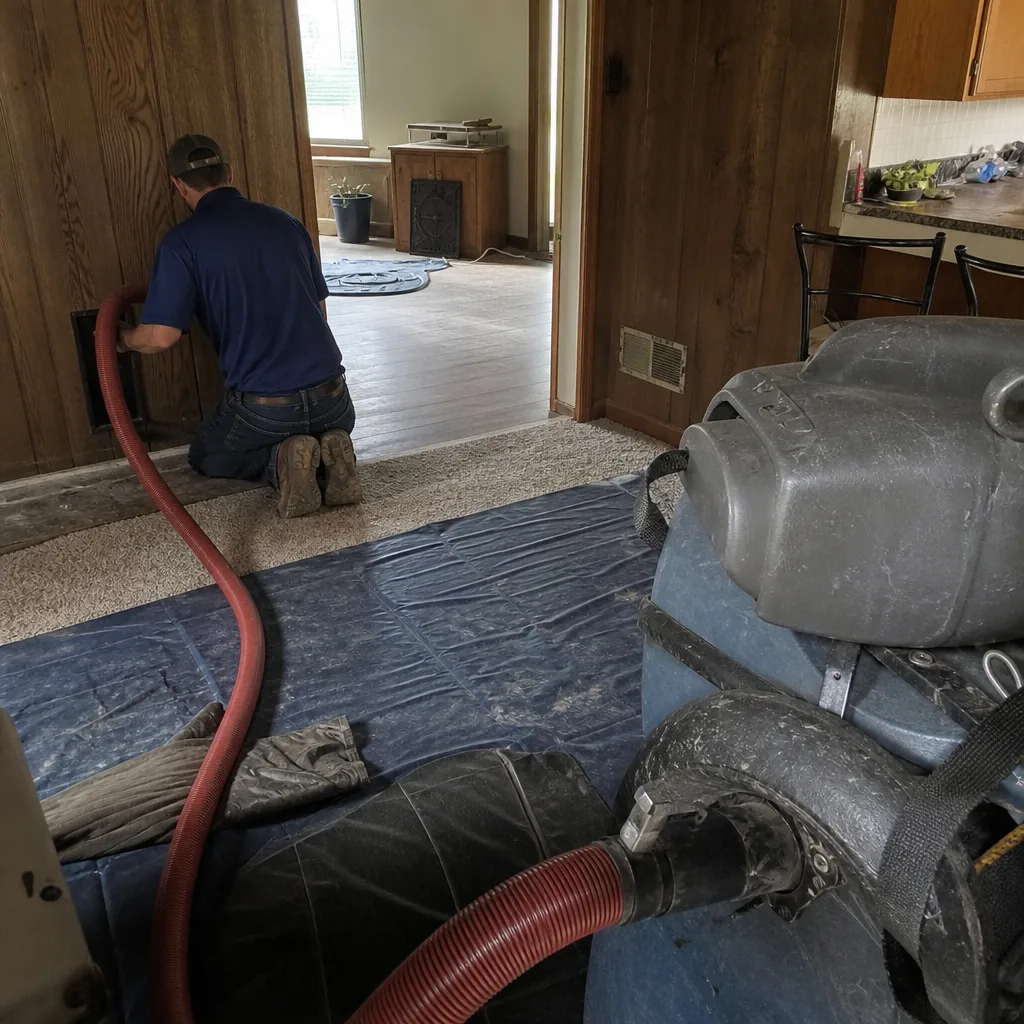 Before
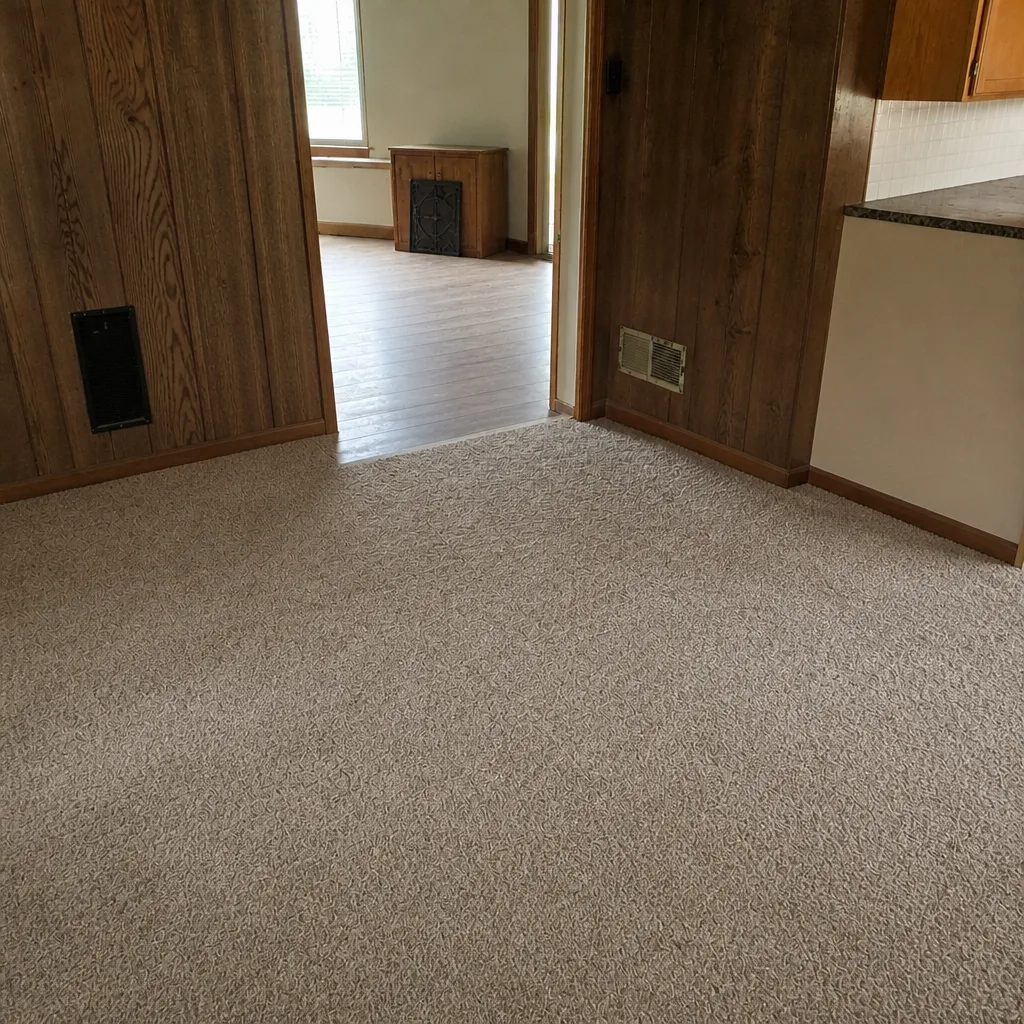 After
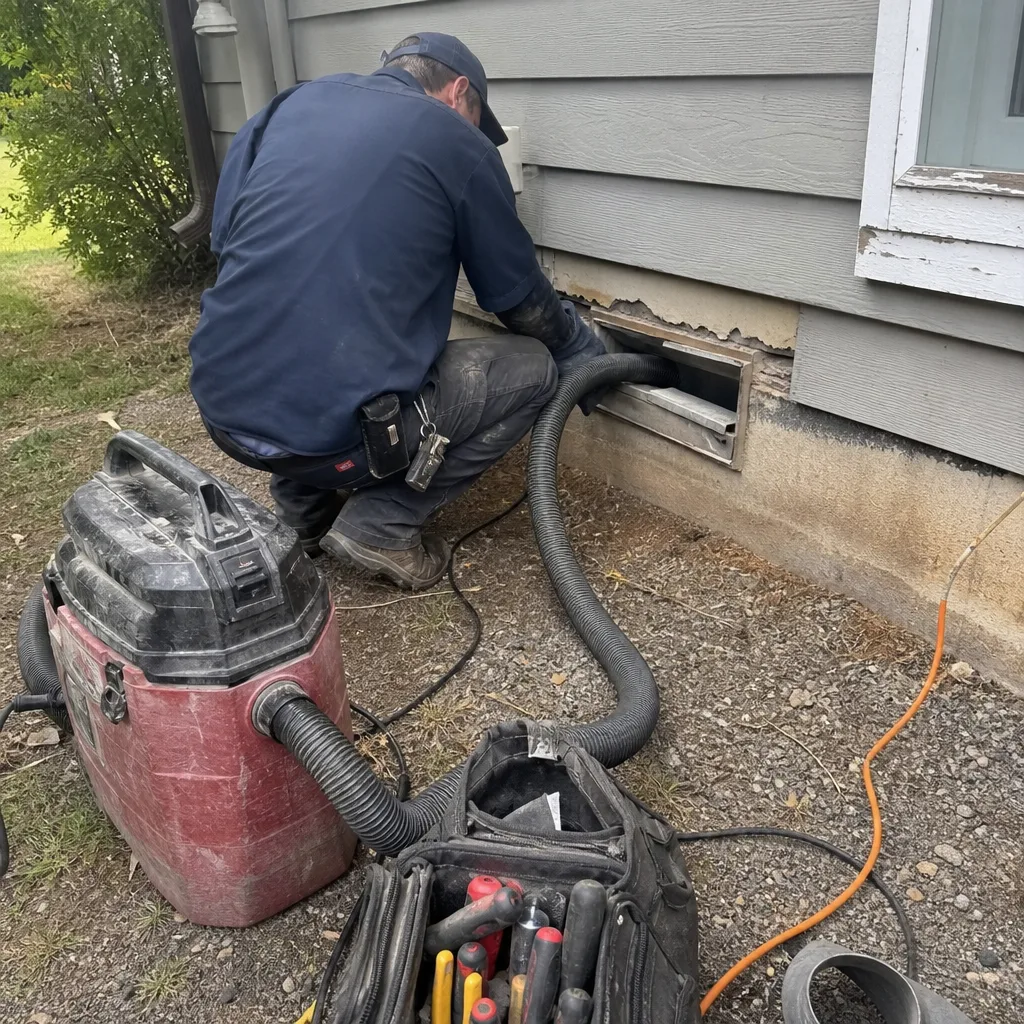 Before
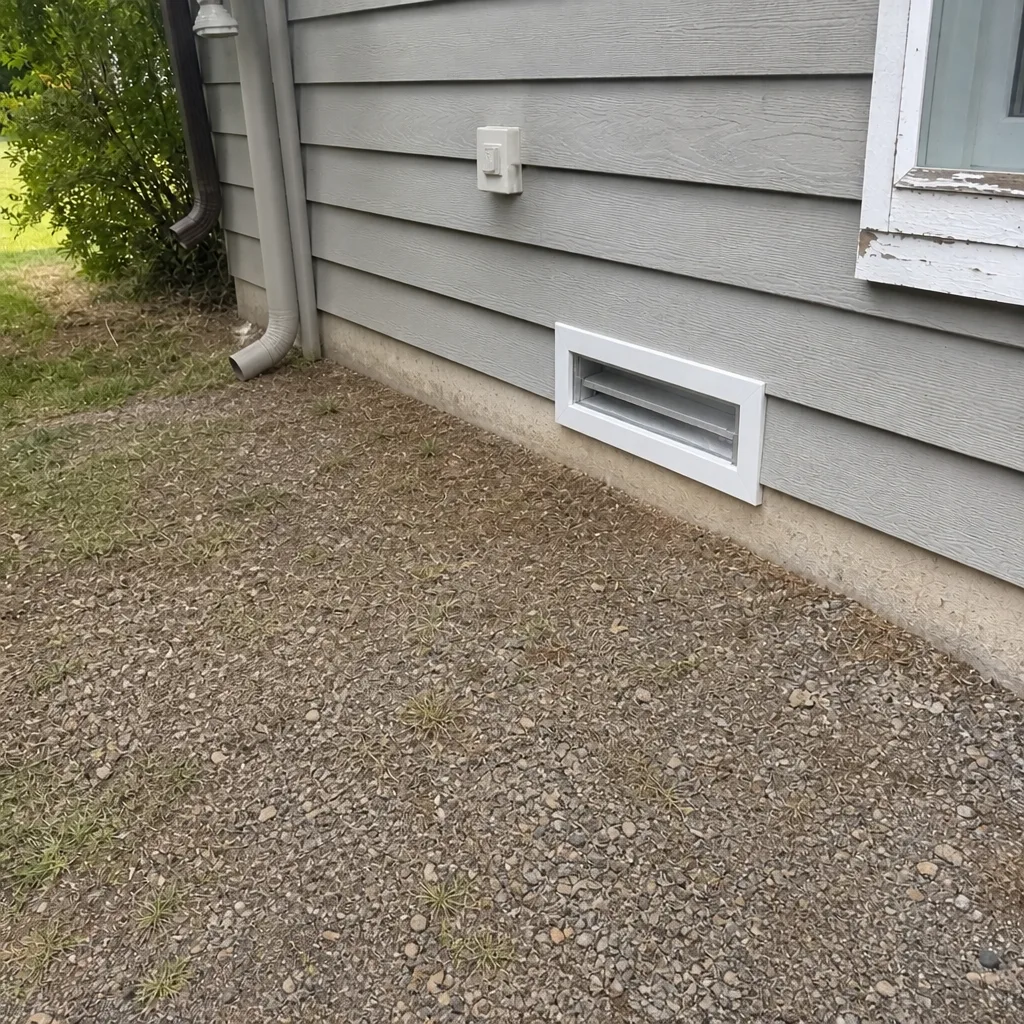 After
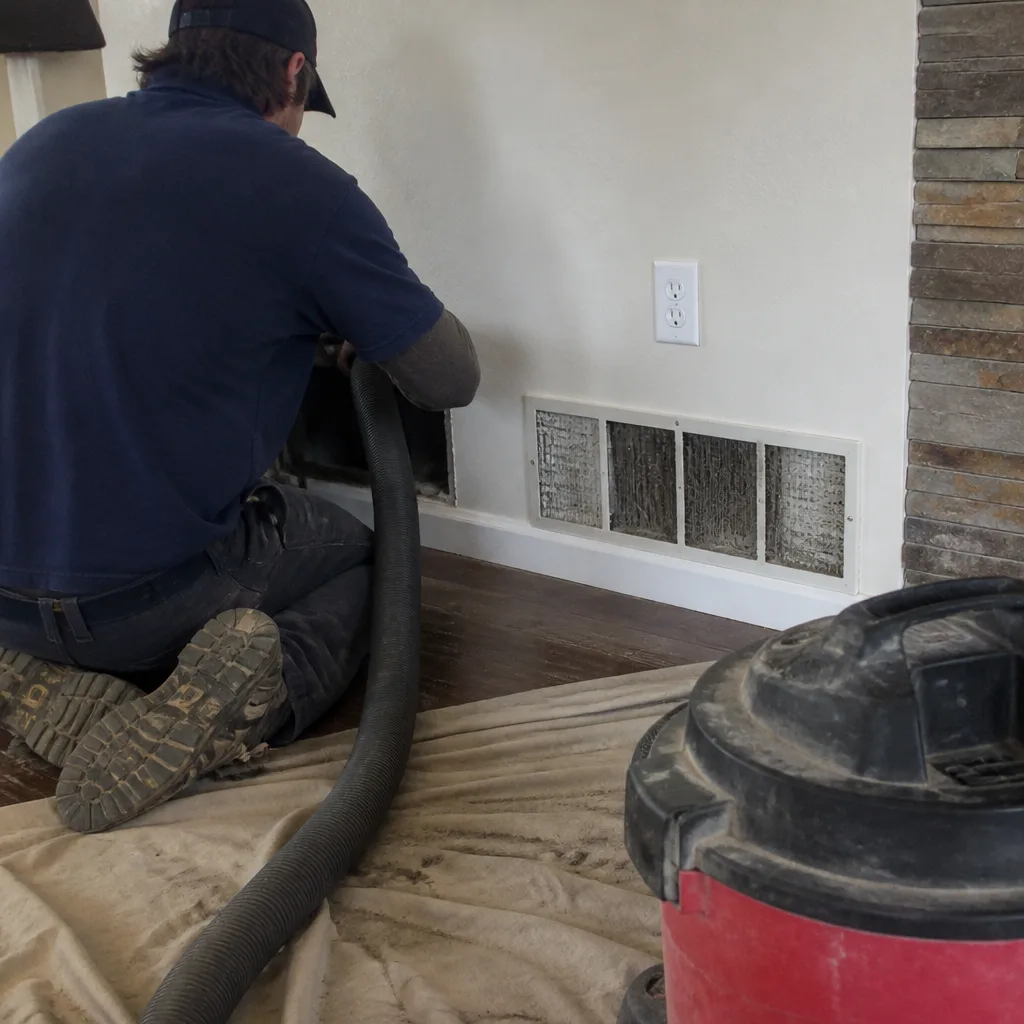 Before
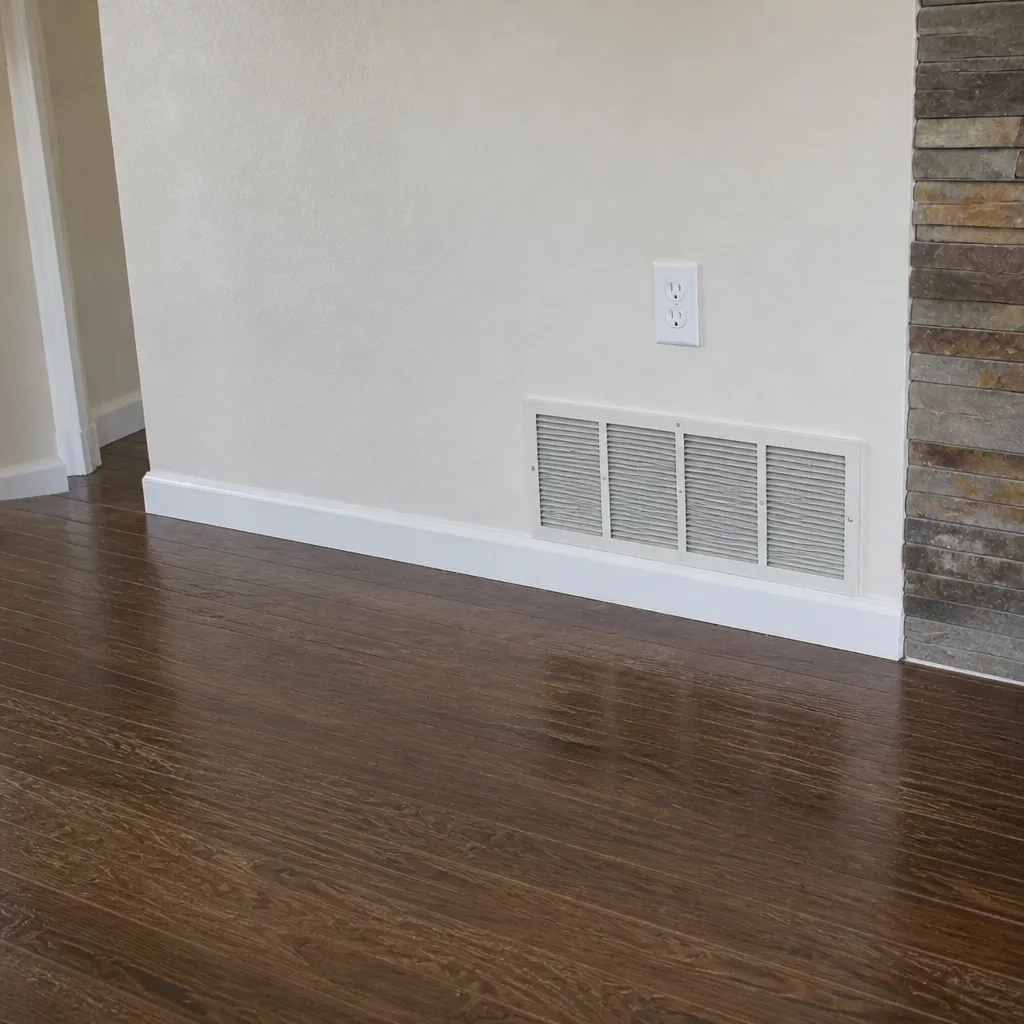 After
When to Call a Professional
Duct cleaning isn’t a seasonal maintenance item for most homes; it’s a response to a specific condition. Call for a professional cleaning when you’re dealing with a recent renovation and want to clear construction dust from the system, when you’ve just bought a Central Park home and don’t know the last cleaning history, when allergies or asthma symptoms are worse indoors than out, when your HVAC filters clog in weeks rather than months, when visible debris or odor comes out of a register, or when a renovation contractor disturbed the duct system and opened joints. Dryer vent cleaning is worth calling about independently. Three of these conditions point to duct integrity as the underlying issue, not cleaning. If duct sealing hasn’t been done and gaps are present, cleaning without sealing is incomplete.
Air Duct Cleaning Central Park offers free estimates in Central Park. Call (833) 509-5525. We answer 24/7. Fast dispatch from 7am to 7pm, Sunday through Friday.
Frequently Asked Questions
Full-system air duct cleaning in Central Park typically costs $400 to $900 for a standard home, with larger homes and heavier contamination pushing toward $1,200. The written estimate, not the phone quote, sets the final price. Call (833) 509-5525 for an exact quote – estimates are free.
The cheaper quote usually excludes returns, the air handler, and any second system, or reflects a shop vacuum rather than a Rotobrush or Nikro professional system. A very low quote is an entry price in most cases and the real scope is revealed once the technician is on-site. Ask for a written estimate before the visit.
Flat-rate pricing is better for the homeowner because the ceiling price is set before work begins. Per-vent pricing turns into a moving number as soon as the register count is confirmed. One flat price per system, agreed in writing, removes the ambiguity. Call (833) 509-5525 for a quote on your Central Park home.
Ask for before-and-after photos of your own ducts as part of the job. Any operator running professional equipment ought to provide them, and a proper cleaning should take three to five hours for a whole home. The visit itself is verification: containment equipment set up on-site during the job, plus photographs, is what a proper cleaning looks like.
Most homes don’t need annual cleaning. Every three to five years is a reasonable window for a typical Central Park home, and renovation, water damage, a new HVAC install, or a confirmed duct contamination issue justifies a visit sooner. Homes with pets and heavy furnace use in winter tend to need it toward the shorter end. Call (833) 509-5525 for a free estimate.
Usually not. Dryer vent cleaning is typically a separate line item priced $150 to $250, and HVAC coil cleaning is a separate line item at $150 to $350 based on accessibility. Duct repair and sealing is often quoted after cleaning reveals the condition of the joints. All five services – duct cleaning, dryer vents, HVAC, sealing, and sanitizing – can be scoped in one visit.
The Bottom Line
Duct cleaning pricing in Central Park in 2026 is a case study in what an entry price hides. The honest number for a full-system cleaning is $400 to $900 for a typical home, with the higher end reflecting larger homes, second systems, or heavier contamination. Compare quotes on scope, not headline price: does the quote include returns, the air handler, and every register? What equipment will be on-site? Is sealing available? Is a flat price agreed in writing before the visit? Those four questions sort the honest operators from the ones selling a number that climbs. And the answer to all four comes from the written estimate. Everything else is a phone conversation.
Call (833) 509-5525 for a free estimate. We answer 24/7. Fast dispatch from 7am to 7pm, Sunday through Friday. Our technicians have up to 15 years of experience, and every job is agreed at one flat price per system before work starts, with before-and-after photos of your own ducts. You can also start with the Air Duct Cleaning Central Park overview of available services.
Written by the team at Air Duct Cleaning Central Park.