
Last updated November 25, 2026
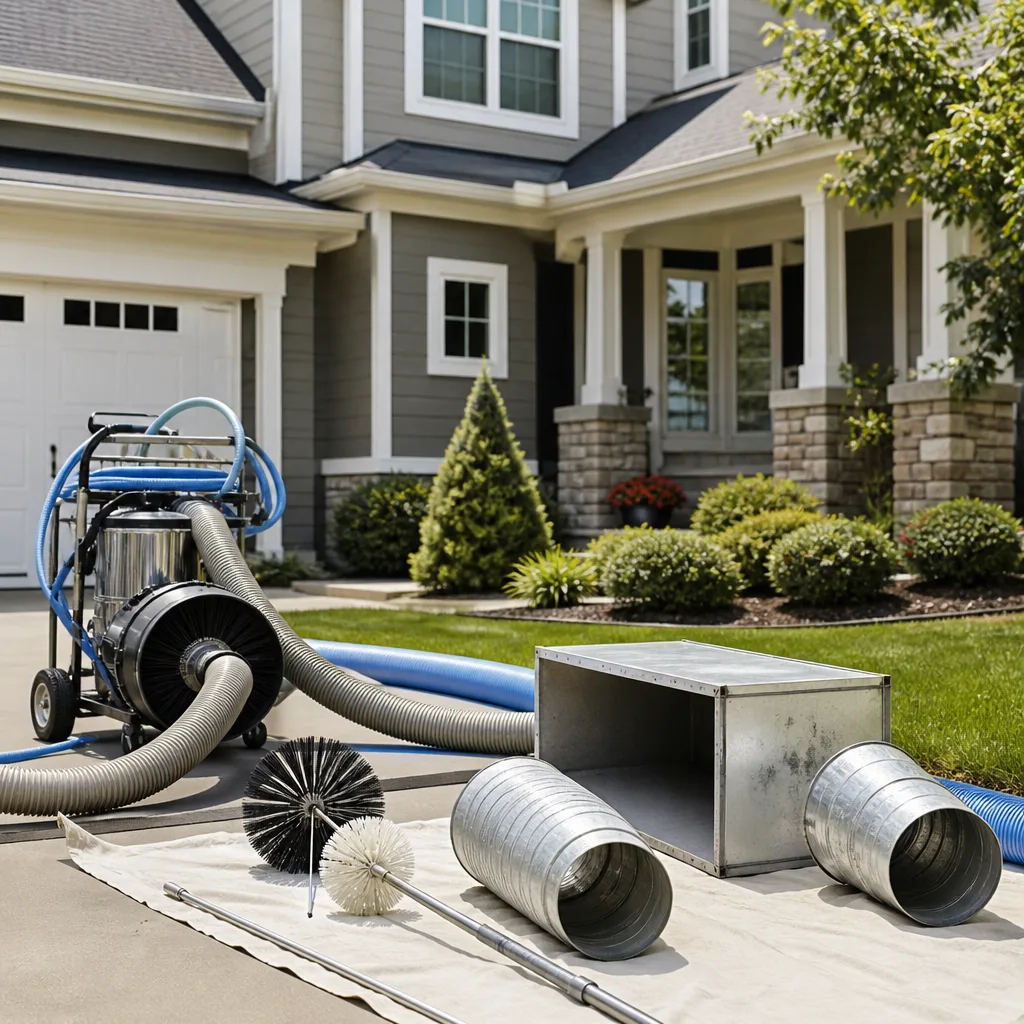 Whole-home duct cleaning
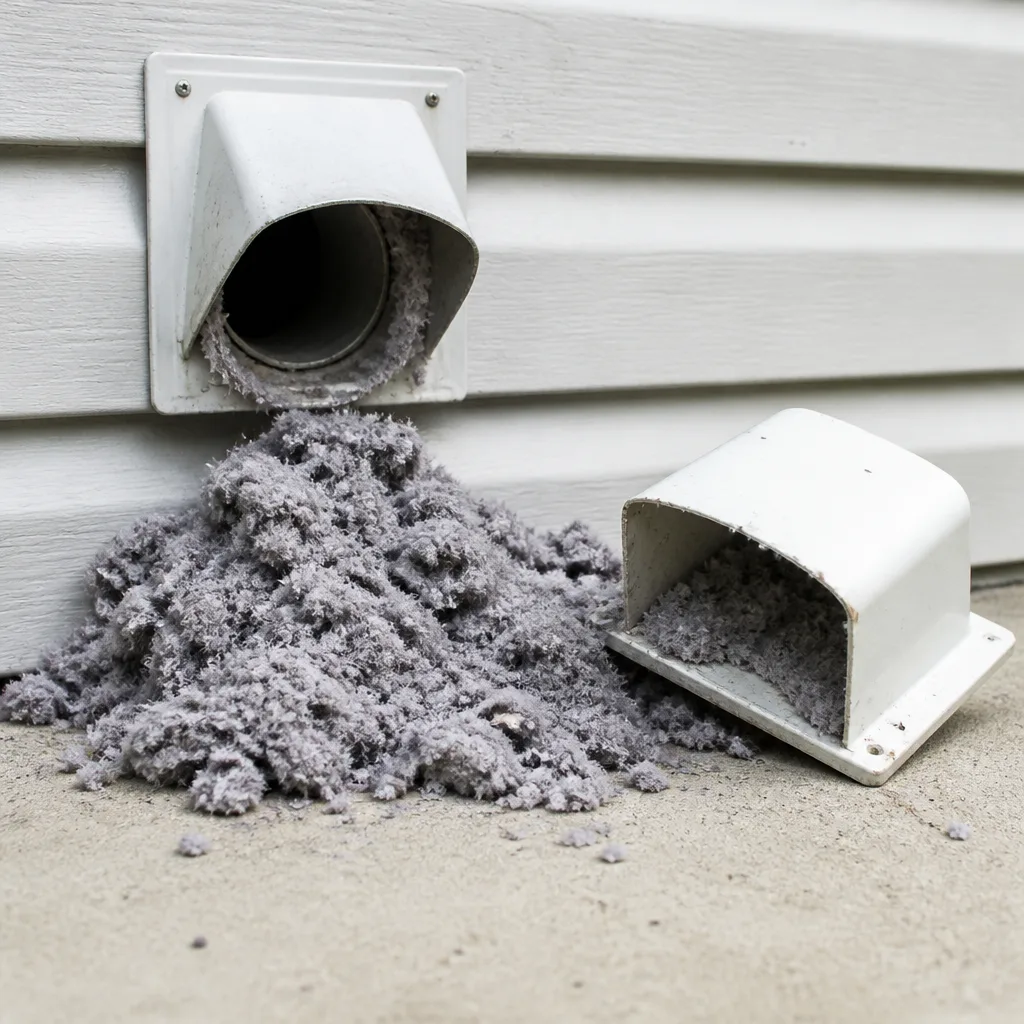 Dryer vent cleaning
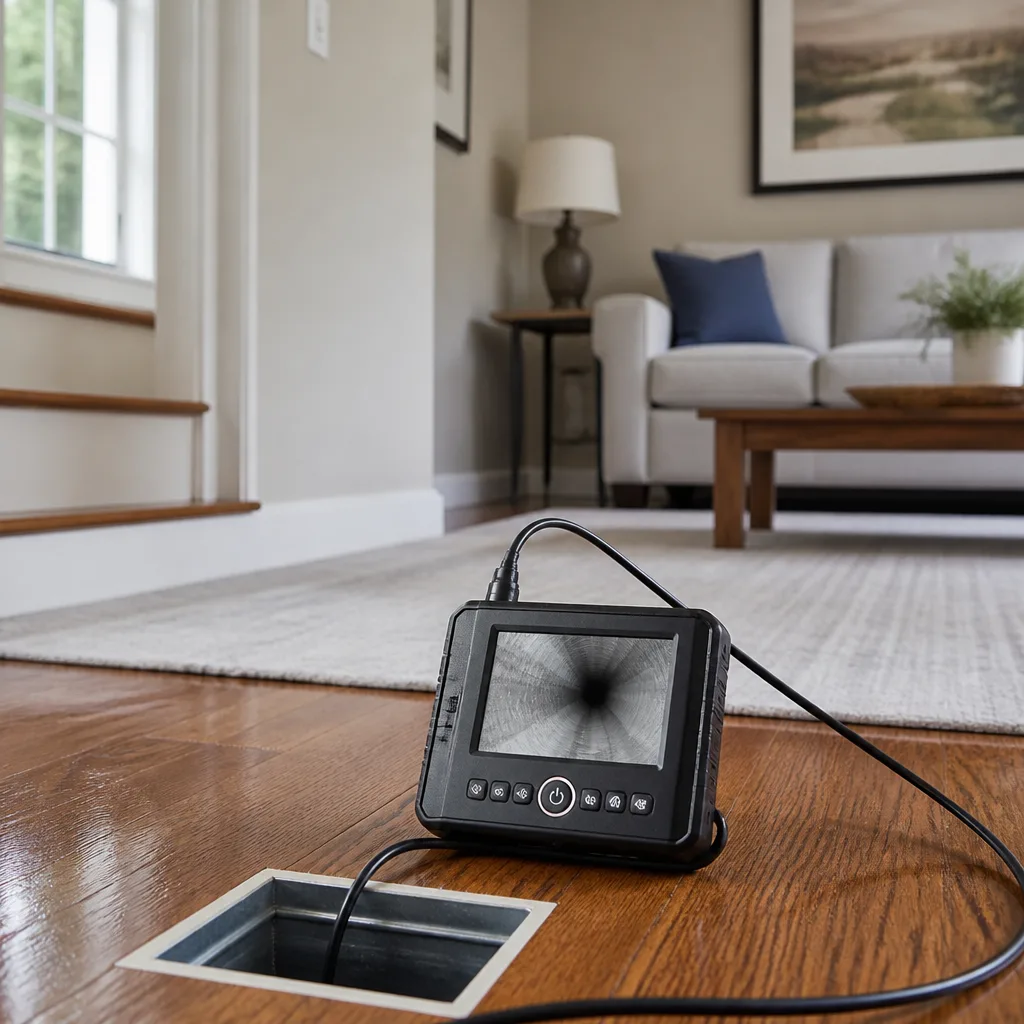 Camera inspection
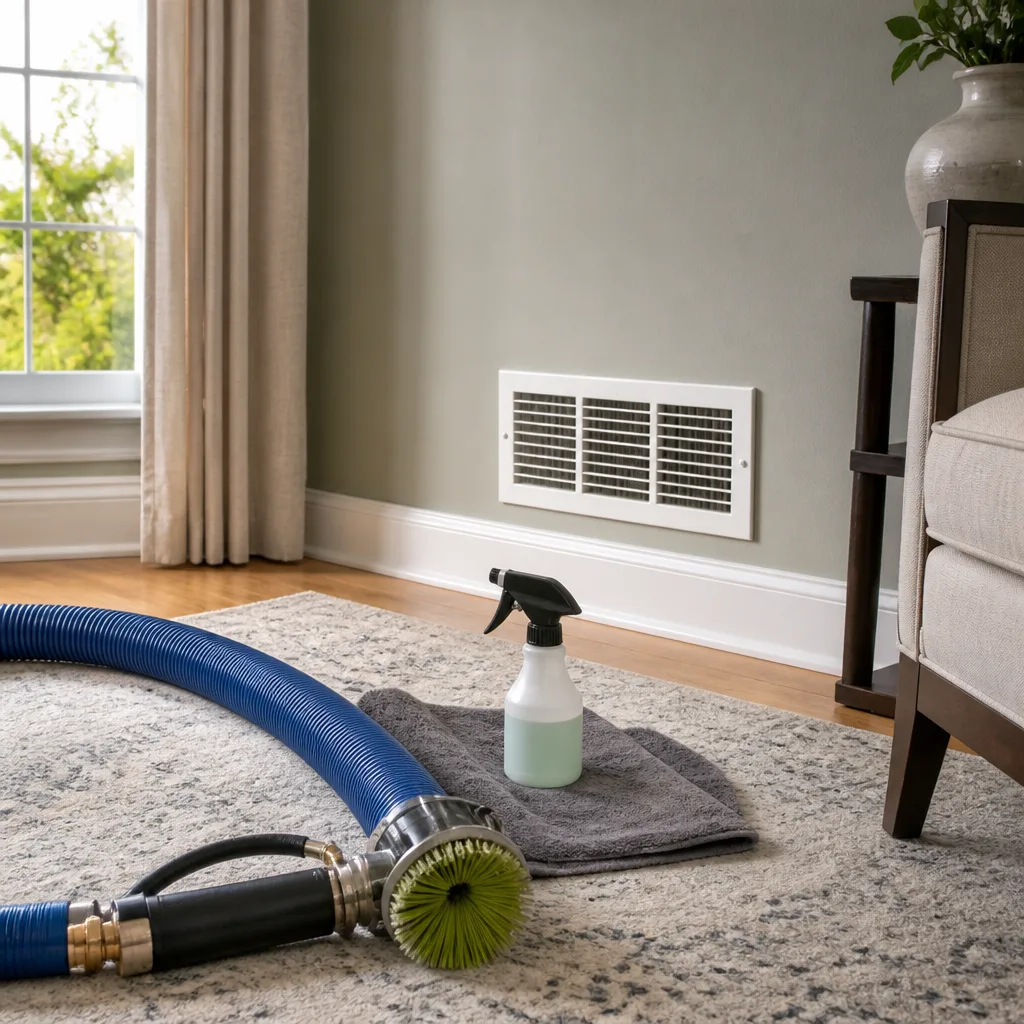 Sanitizing & deodorizing
Whole-system duct and dryer vent check with before-and-after photos - you see exactly what came out of your vents
That "$99 whole-house special" is a bait ad - the real number appears once they are in your hallway, or the "clean" is a shop-vac at the register. We photograph the inside of your ducts before and after instead.
Air Duct Cleaning Emergency Preparedness Guide for Central Park Homes
Most homeowners treat ductwork as permanently installed infrastructure, something that sits behind drywall and only matters when it breaks. That assumption fails twice in Central Park: once when wildfire smoke pushes hazardous particulate through the return side of a system, and once when water gets into a home and mold begins colonizing duct lining within days. The 2020 Colorado wildfire season gave the Denver metro more than 20 consecutive days of hazardous air quality readings, and the duct systems that handled it well weren’t lucky. They were prepared. This guide lays out the protocols we use for both scenarios, from filter upgrades to post-flood timelines, so you can act correctly in the first hours rather than guessing.
Quick Answer
Emergency duct preparedness in Central Park means two things: knowing how to run your HVAC during a wildfire smoke event (shut the system, seal returns, upgrade filtration, then clean with HEPA extraction afterward), and knowing the 24-to-72-hour mold timeline after any water intrusion so ductwork can be cleaned rather than replaced. Document your system before smoke season and before storm season with photos, airflow readings, and filter records – that documentation is what makes an insurance claim on duct contamination possible.
Styles & brands we work with
- Whole-home duct cleaning
- Dryer vent cleaning
- Camera inspection
- Sanitizing & deodorizing
Table of Contents
- Why Central Park Duct Systems Face Two Distinct Emergencies
- The Wildfire Smoke Protocol: What to Do With Your HVAC
- What Wildfire Smoke Does to Duct Lining That Dust Doesn’t
- The Post-Flood Duct Emergency Protocol
- Cleaning vs. Replacement: How the Decision Gets Made
- Documenting Your Duct System Before Emergency Season
- The 72-Hour Window That Decides the Outcome
- When to Call a Professional
Why Central Park Duct Systems Face Two Distinct Emergencies
Central Park sits on the eastern edge of the Denver metro, in a stretch of the Front Range where two weather patterns collide with ductwork. The first is summer and fall wildfire smoke. When fires burn along the foothills or further west, prevailing winds push particulate east across the metro, and Central Park homes take it in through open windows, door gaps, and the fresh-air intake on a running HVAC system. The second is water intrusion from severe thunderstorms, hail-driven roof damage, and the occasional burst supply line. Both events happen fast, and both leave contamination inside the same duct system that’s supposed to protect the air your family breathes.
The housing stock in Central Park matters here. Much of the neighborhood was built during the 2000s and 2010s, which means the ductwork is often flexible insulated flex duct rather than the rigid sheet metal you’d find in older Denver neighborhoods. Flex duct is efficient and quiet, but its corrugated interior gives particulate and moisture far more surface to cling to. Smoke residue settles into the ridges. Moisture wicks into the insulation jacket. Neither problem is visible from a supply register, and neither resolves on its own.
What we’ve learned doing this work across Central Park is that the two emergencies require completely different responses. Wildfire smoke demands you stop moving air through the system at the wrong time and then extract what got in. Water intrusion demands speed, because the clock on mold colonization is measured in hours, not weeks. A protocol built for one won’t work for the other, and most national guides collapse the two into a single vague section on “duct emergencies.” We separate them below.
The Wildfire Smoke Protocol: What to Do With Your HVAC
When AQI in Central Park climbs into the hazardous range during a smoke event, the correct HVAC response depends on your system type and the direction of the smoke. Here is the protocol we walk homeowners through.
- Close the fresh-air intake if you have one. A running HVAC system with an open outside-air damper is a smoke pump. Shut the damper or close the manual intake before you do anything else.
- Decide whether to run the system at all. If smoke is thick and your filtration is basic (a standard 1-inch filter), running the system circulates smoke through ductwork and loads the lining. Shutting it off and relying on sealed windows is often the better call until filtration is upgraded.
- Switch to recirculate mode if your thermostat or system controller offers it. Recirculation keeps interior air moving through the filter without drawing outdoor air in. Homes that ran recirculate during the 2020 smoke events kept their interior air far cleaner than homes that ran fresh-air mode.
- Upgrade filtration immediately if the system allows it. Move to the highest MERV rating your blower can handle without restricting airflow. A restrictive filter on an undersized blower strains the motor, so check the system’s rated maximum before you install anything heavier.
- Seal the envelope. Window gaps, door sweeps, dryer vent dampers, and any open combustion air vent are entry points. Smoke finds them.
- Plan the extraction cleaning for after the event. Once the smoke clears, the particulate that settled into duct lining needs professional removal with HEPA extraction and negative-pressure containment. Running the system at that point just resuspends it into your living space.
One more note on timing: don’t wait for the last fire to be out before you schedule cleaning. A single smoke season can deposit enough fine particulate in flex duct that ordinary cleaning methods won’t lift it. We schedule post-event cleanings as soon as the AQI drops back into a workable range, and we deploy Abatement Technologies filtration units on-site to keep the debris we’re extracting from cross-contaminating the rest of the home.
What Wildfire Smoke Does to Duct Lining That Dust Doesn’t
Household dust is a mix of skin cells, fabric fibers, and soil particles, and most of it sits loosely on duct surfaces. The standard agitation-plus-vacuum approach lifts it effectively. Wildfire smoke particulate is a different animal. It’s composed of combustion byproducts, much of it at the 2.5-micron scale and smaller, and it carries a sticky, tarry quality from the organic material that burned. That combination means the particles don’t sit on top of dust. They migrate into the pores of duct lining and into the corrugations of flex duct, and they bond to the surface.
This is why ordinary vacuuming doesn’t work after a smoke event. A shop vac with a standard filter catches the larger particles and blows the fine ones right back into the room. Worse, the agitation of a brush on a smoke-loaded duct resuspends deposited particulate that was settled and stable. In our experience, the extraction has to be HEPA-rated, the work area has to be under negative pressure, and the operator has to be using equipment designed for it. That’s the reason we run Rotobrush and Nikro systems on smoke-recovery jobs rather than generic vacuums.
Filter condition after a smoke event tells you something useful. A filter that went in clean and came out grey-brown after two weeks of hazardous AQI is a filter that did its job, and the particulate it caught gives you a rough sense of what made it into the system. A filter that looked the same going in as coming out usually means the system wasn’t running, which is good news for the duct lining but bad news if the home relied on the HVAC for air quality during the event. Either way, the filter change is the cheapest data point you’ll get.
For homes where the homeowner wants to go beyond cleaning, we can recommend and install air quality hardware from Honeywell and Aprilaire as part of a full-system conversation. That’s not a substitute for extraction, but a better filter cabinet or a whole-home media filter helps going into the next smoke season. HVAC cleaning after a smoke event should also include the air handler and evaporator coil, since the coil acts like a condenser for fine particulate and holds it in place.
The Post-Flood Duct Emergency Protocol
Any water intrusion into a Central Park home that reaches the duct system starts a clock. Mold spores are already present in every home’s air, and they need only moisture and a food source to colonize. Duct lining, insulation jackets, and settled dust all provide the food. The moisture is what you’re racing to eliminate.
Here is the timeline to work from, based on standard building-science observations and what we see in the field:
- 0 to 24 hours: Water is still liquid or lightly absorbed. If the duct insulation is saturated, it’s already compromised. Airflow through a wet duct spreads moisture to sections that weren’t directly flooded.
- 24 to 48 hours: Visible mold growth can begin on wet duct lining and on insulation facing. In warm, humid conditions typical of late-summer storms in Central Park, this window compresses.
- 48 to 72 hours: Colonization is generally established. Porous duct materials that are wet this long are usually past cleaning and into replacement territory.
- Beyond 72 hours: If the system was run while wet, contamination has spread through the supply side and into the living space. Full remediation, not cleaning, is the answer.
The single biggest mistake after a flood is running the HVAC “to dry things out.” That does the opposite. It moves humid air through the duct system and deposits moisture on surfaces that were dry. Shut the system down if there’s any reason to think water reached the air handler, the plenum, or any duct run. Then get a professional out to assess before you run anything.
Once the assessment is done, the sequence is: extract standing water, remove saturated insulation and any duct sections that are past saving, dry the remaining structure, then clean and sanitize what’s left. We use Guardsman-grade sanitizing products on the Air Quality & Sanitizing side of the work, which is the step that verifies the system is clean going forward, not just dry. Duct Repair & Sealing matters here too, because water intrusion usually finds a failed connection or a compromised joint to enter through. Cleaning around a leak without sealing it just resets the problem.
Cleaning vs. Replacement: How the Decision Gets Made
Whether a smoke-damaged or water-damaged duct system can be cleaned or needs partial replacement comes down to three factors: material, saturation depth, and how long the contamination has been present. Here’s how we assess it.
- Rigid sheet metal duct: Usually cleanable in a smoke event, and often recoverable after water if it’s dried quickly and the seams hold. Metal doesn’t absorb moisture into its structure, so the mold colonization question is about surface growth, which sanitizing addresses.
- Flexible insulated duct: The most common duct type in newer Central Park homes, and the least forgiving. The inner liner is corrugated and the insulation jacket wicks moisture. Smoke particulate lodges in the ridges. Water intrusion that saturates the insulation is almost always a replacement call, not a cleaning call.
- Duct board: Porous throughout. Water-damaged duct board is not recoverable. Smoke-damaged duct board is cleanable but the extraction has to be careful not to damage the surface.
- Any duct that shows visible mold growth after drying: Replacement, without a debate. Sanitizing a surface that already hosted colonization doesn’t remove what’s colonized into the material.
The other deciding factor is time. A system that took on water and was shut down and assessed within 48 hours often cleans up. A system that took on water and was run for a week to “dry things out” usually doesn’t. We assess before we quote, and we don’t push replacement when cleaning will do. We repair what we find, not just clean around it.
If your home has gone through a water event, air duct cleaning is the entry point, but the scope has to include moisture assessment and sanitizing, not just debris removal. A cleaning crew that doesn’t check for moisture is running the wrong job.
Documenting Your Duct System Before Emergency Season
Insurance claims for duct contamination are hard to win without a baseline. If your insurer can’t tell whether the contamination was pre-existing or caused by the event, the claim gets negotiated down or denied. The fix is to document your system before each emergency season, so you have a record of what condition it was in. That record costs you an hour of time.
- Photograph every accessible register and the air handler. Pop off a supply register or two and take a clear photo of the duct interior with a phone flash. Photograph the air handler, the filter compartment, and any visible duct runs in the basement or attic.
- Record your filter type and change dates. Keep a log. Brand, MERV rating, install date, and a photo of each outgoing filter. This is the single most useful record to have after a smoke event.
- Take airflow readings at each register. A handheld anemometer is inexpensive and gives you a baseline cubic-feet-per-minute number per register. After a duct repair, a flood, or a major cleaning, you can compare and spot loss.
- Note any pre-existing damage. A loose joint, a dented duct, a bit of surface dust in a basement run. Document it so it doesn’t get attributed to the next event.
- Store the file where you’ll find it. A cloud folder named by year, or a physical folder with your home insurance documents. Not your phone camera roll.
- Repeat the documentation annually, before smoke season and before storm season. In Central Park, that means late spring and late summer.
If you want a professional baseline captured, that’s a service worth booking. Our technicians have up to 15 years of experience and can document airflow, filter condition, and visible duct condition in a single visit.
The 72-Hour Window That Decides the Outcome
For both emergency types, the first 72 hours determine whether a Central Park duct system can be recovered with cleaning or has to go into a full remediation scenario. With smoke, the window is about limiting how much particulate settles into the lining while the event is ongoing, then getting extraction scheduled before the next event deposits a second layer. With water, the window is about moisture, and it’s harder and faster.
Here’s the practical implication. When a smoke event begins, the decisions that matter are: close the fresh-air intake, decide whether to run the system, upgrade filtration if you can, seal the envelope. Those decisions happen in the first hours. The extraction cleaning happens after. When water enters a home, the decisions are: shut down the HVAC, get an assessment, remove saturated materials, dry, sanitize. Those decisions happen in the first day.
What separates a home that recovers easily from one that needs full duct replacement is rarely luck. It’s whether someone made the right call inside the window. If you’re not sure what to do, call before you run the system. It’s a two-minute conversation and it can save thousands.
Common Mistakes to Avoid
- Running the HVAC on fresh-air mode during a smoke event. That’s a direct line from outdoor smoke into your respiratory system. Close the outside-air damper before anything else.
- Running the system “to dry things out” after water intrusion. It spreads moisture into dry duct sections and compresses the mold timeline. Shut it down and get an assessment.
- Vacuuming smoke-loaded ducts with a shop vac. Standard shop vacs resuspend the fine particulate you’re trying to remove. HEPA extraction under negative pressure is the only method that works.
- Using bleach or consumer mold spray inside ductwork. Bleach doesn’t penetrate porous duct lining, and it leaves residue that can corrode metal duct and irritate occupants. Verified antimicrobial sanitizing is a different process.
- Skipping documentation before the event. Without before photos and a filter log, an insurance claim has no baseline. Do the one-hour walkthrough in late spring.
- Upgrading to the highest-MERV filter available without checking the blower rating. A filter that’s too restrictive for the blower strains the motor and drops airflow to rooms that need it. Match the filter to the system.
- Cleaning the ducts but leaving the failed joint that let in the contamination. Duct Repair & Sealing is what stops the next event from resetting the work you just paid for.
When to Call a Professional
Call a professional if any of the following is true in your Central Park home: the AQI has been hazardous for more than a few days and your system was running on fresh-air mode during it; water reached any duct run, the air handler, or the plenum; you can see visible growth inside a supply register; airflow from one or more registers has dropped noticeably and hasn’t recovered; or your filter log shows the same filter went through a full smoke season. Any of those signals is a reason to get an assessment rather than guess.
Air Duct Cleaning Central Park offers free estimates in Central Park. Call (833) 509-5525 and we’ll talk through what happened, what to check first, and whether you need cleaning, sealing, or a full assessment. One flat price per system, agreed before work starts, with before-and-after photos of your own ducts. The local pro is licensed and insured as their state requires. Dryer vent cleaning is worth scheduling at the same visit if your vent hasn’t been done in a while, since a smoke particle load in the dryer vent is its own fire hazard.
See the difference
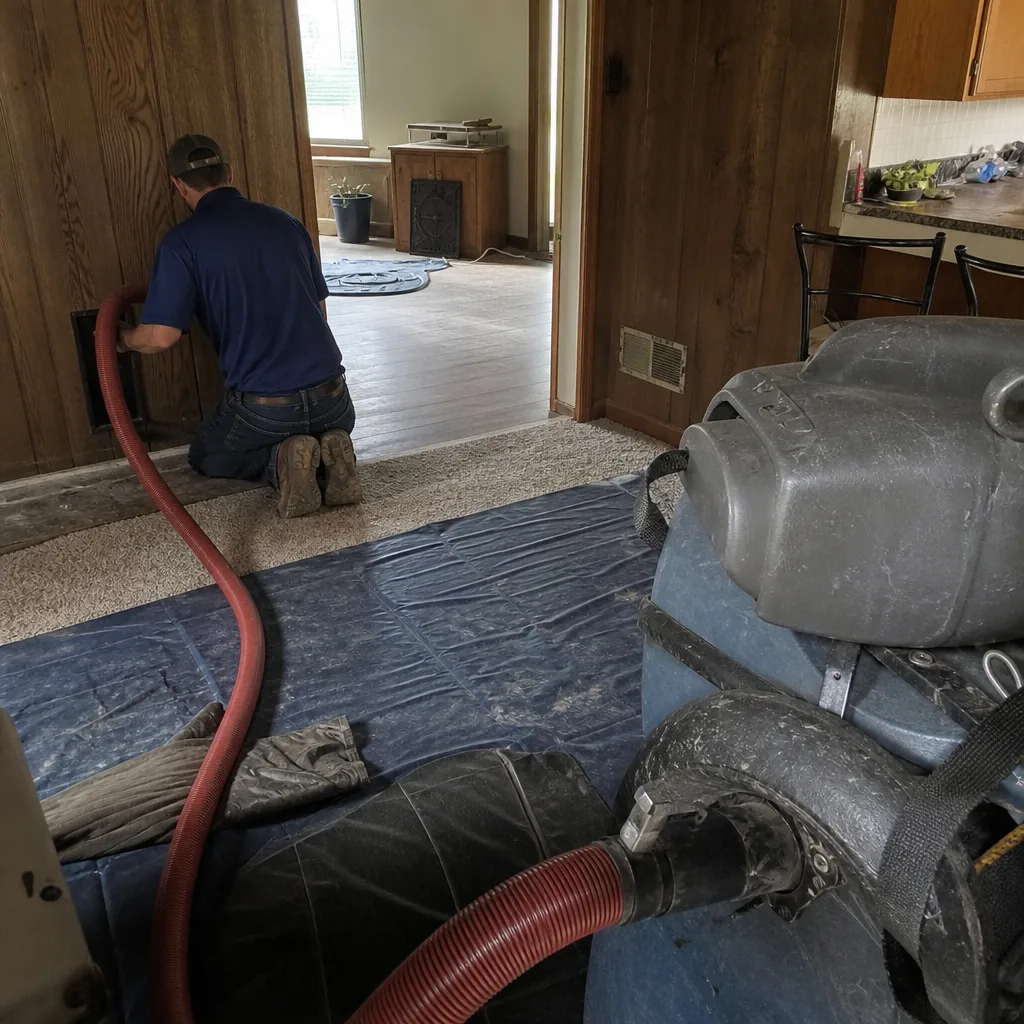 Before
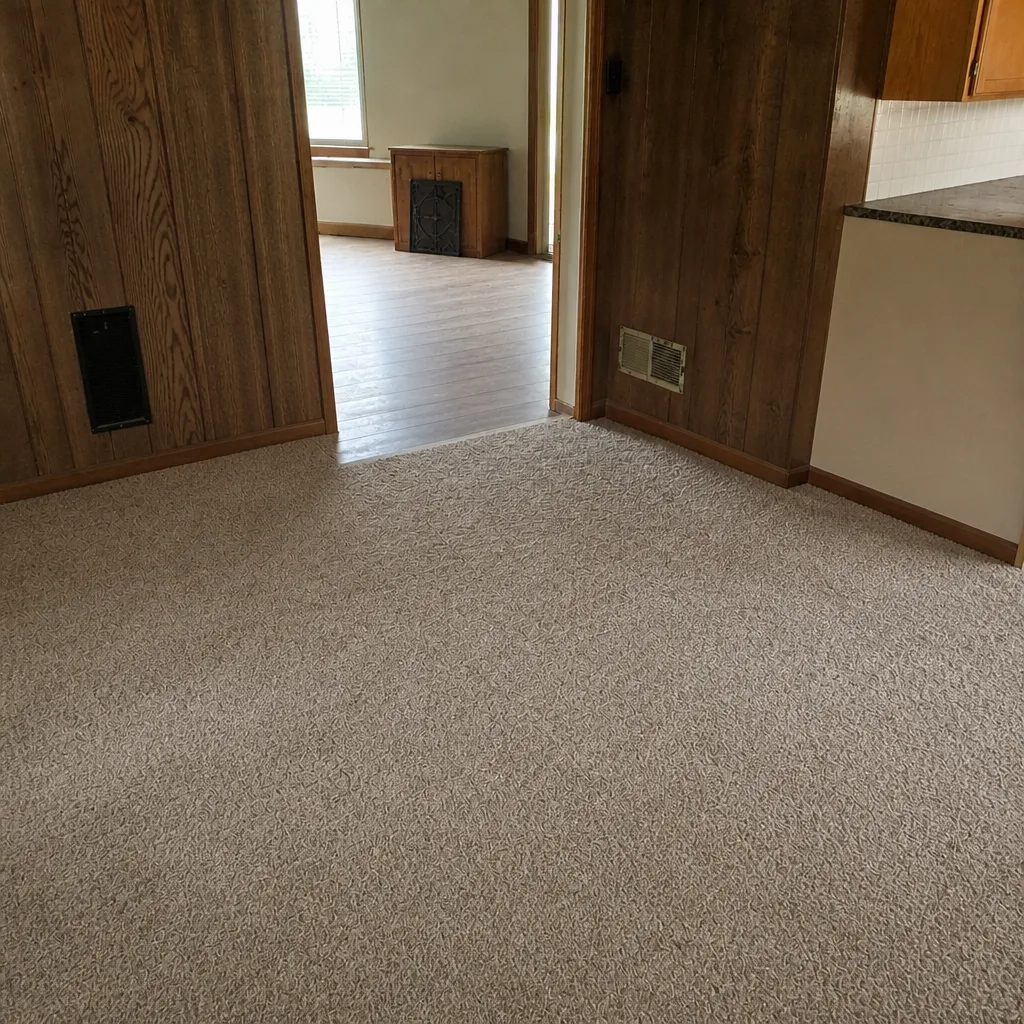 After
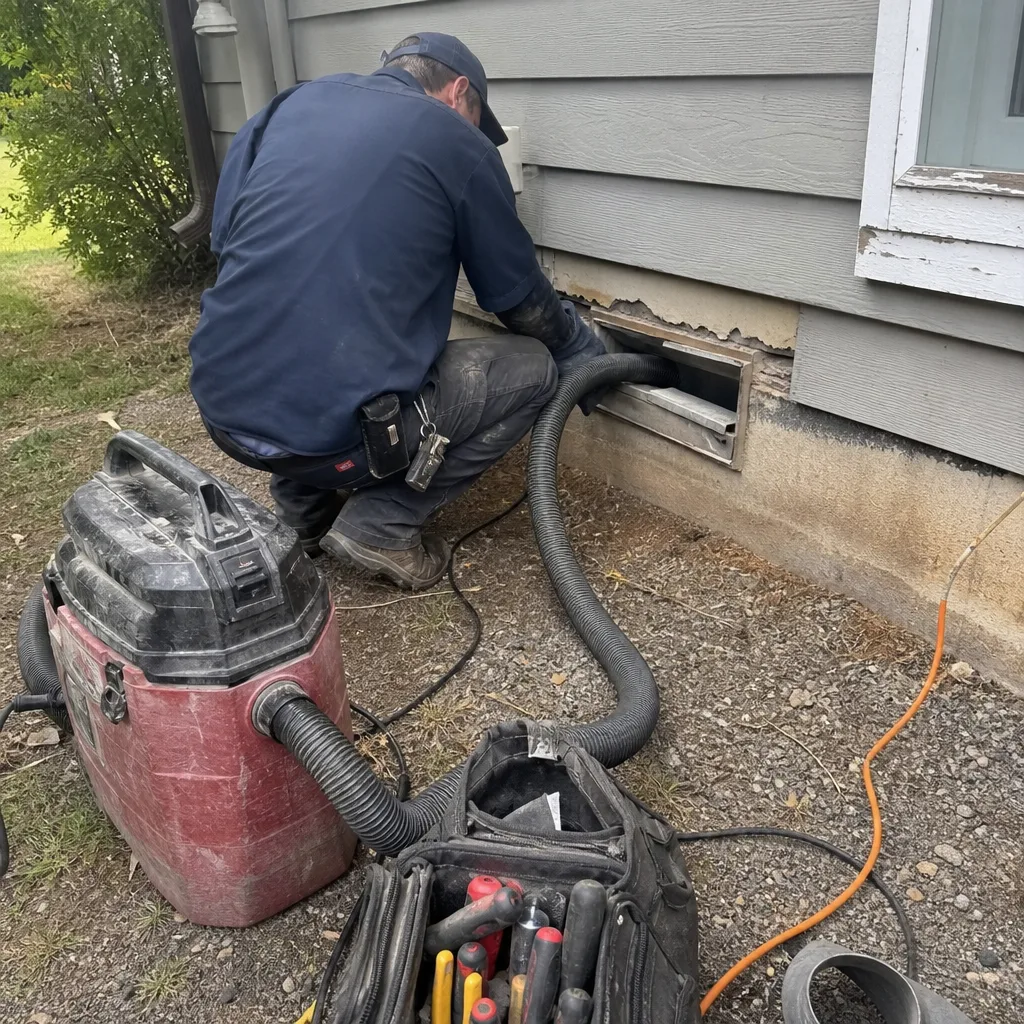 Before
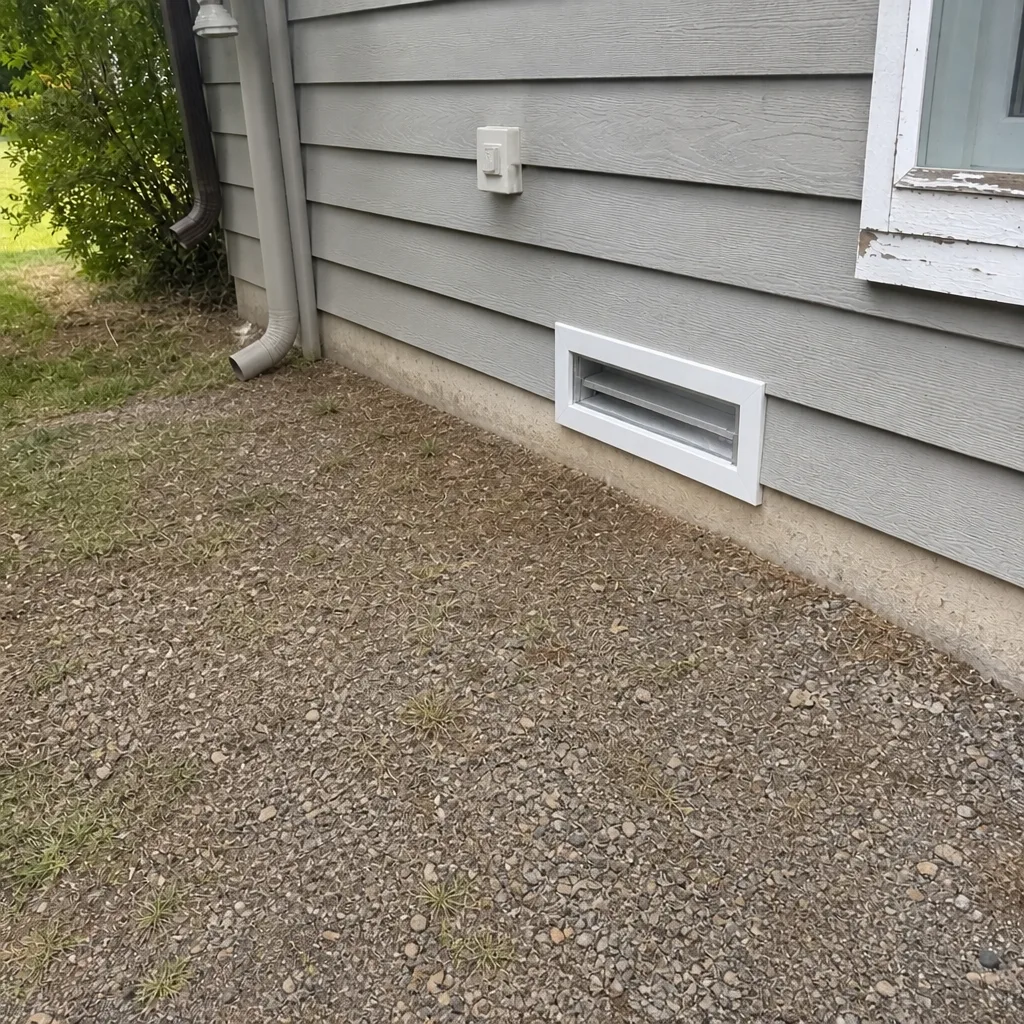 After
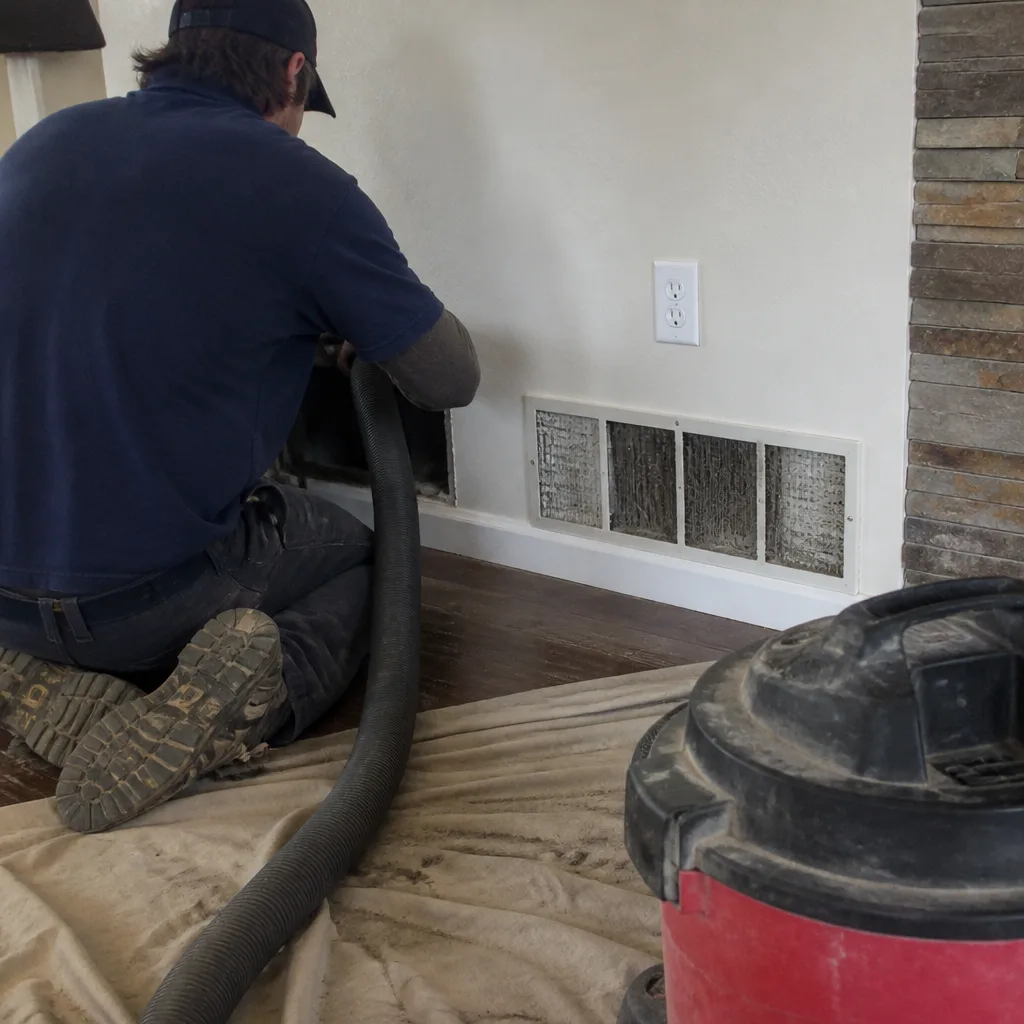 Before
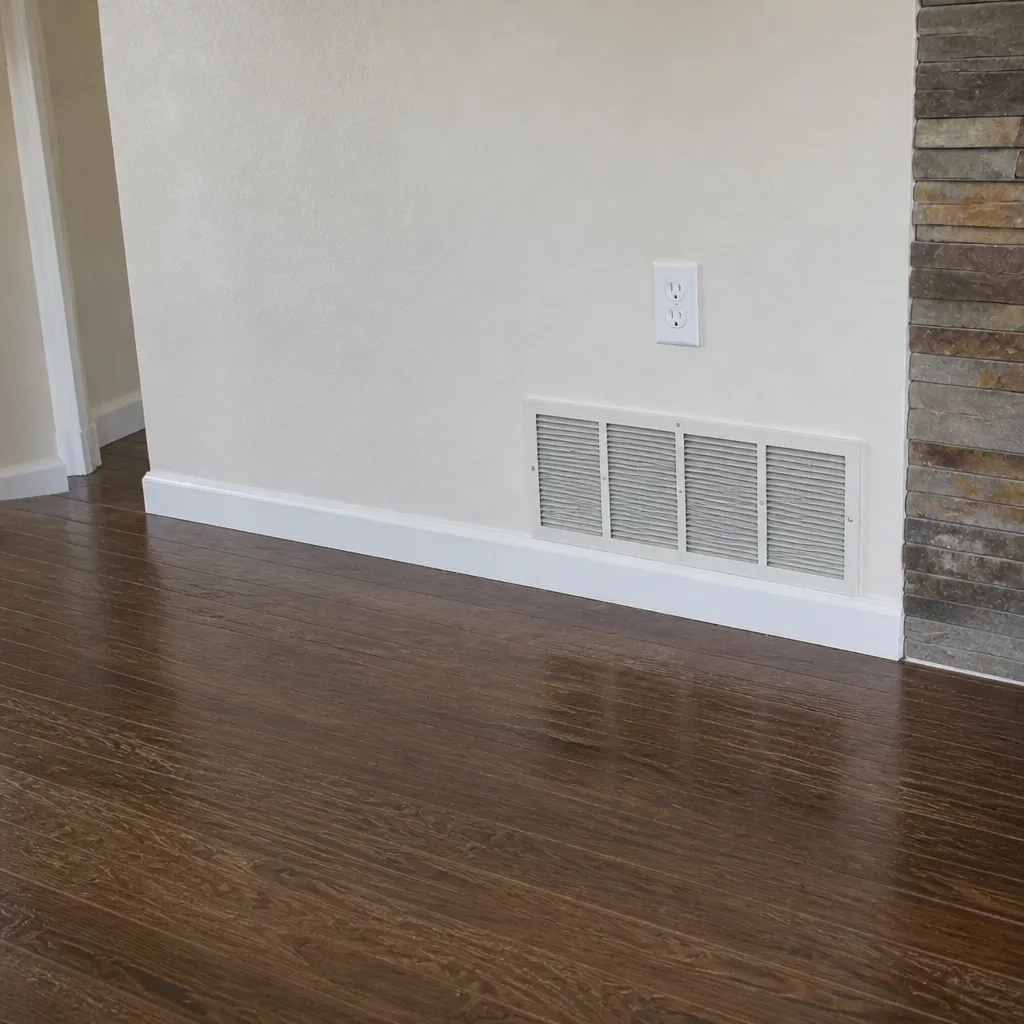 After
Frequently Asked Questions
Visible mold growth can begin within 24 to 48 hours of water intrusion into ductwork, and colonization is usually established by 72 hours. The timeline compresses in warm, humid conditions. Running the HVAC after water intrusion spreads moisture and shortens that window further, which is why shutting the system down is the first step.
Yes, if your system was running during the event or if your filter log shows heavy loading. Wildfire smoke particulate bonds to duct lining and flex duct corrugations in a way ordinary dust doesn’t, and standard vacuuming resuspends it rather than removing it. HEPA extraction under negative pressure is the method that works. Call (833) 509-5525 for an exact quote, and estimates are free.
We don’t quote per-vent or per-hour prices over the phone, because the scope varies widely with duct material, system size, and the extent of contamination. What we do commit to is one flat price per system, agreed before work starts, based on a written estimate after we assess the system. Call (833) 509-5525 and we’ll schedule the assessment.
Usually because the scope is smaller than the problem. A low quote often means a shop vac and a brush, no HEPA extraction, no containment, no assessment for moisture or duct damage. If your issue is smoke residue or post-flood contamination, that scope won’t fix it, and you’ll pay again for the real job. Ask any provider what equipment they’ll run and whether they’ll test for moisture before quoting.
Use the highest MERV rating your blower can handle without restricting airflow, and check the system’s rated maximum before upgrading. A filter that’s too restrictive strains the motor and drops airflow to far rooms. Change it frequently during a smoke event, keep a log of install and change dates, and photograph each outgoing filter. That record is your baseline if you ever need to file a contamination claim.
No, and we don’t recommend trying. Consumer products don’t penetrate porous duct lining, and bleach residue can corrode metal duct and irritate occupants. Verified antimicrobial treatment is a process, not a product you spray on. It has to follow proper extraction and drying, or it just coats contamination that’s still there.
Coverage depends on your policy and on documentation. The strongest position is to have pre-event photos, a filter change log, and airflow readings on file before the event, so the contamination can be attributed to the cause rather than to pre-existing condition. We can work with your insurer on documentation, but the call on coverage is between you and your adjuster.
The Bottom Line
Central Park homes face two distinct duct emergencies, and the right response to one is often the wrong response to the other. For wildfire smoke, the first-hours sequence is: close the fresh-air intake, decide whether to run the system, switch to recirculate if available, upgrade filtration within the blower’s rated limit, seal the envelope, and plan HEPA extraction for after the event. For water intrusion, the sequence is: shut down the HVAC, get an assessment fast, remove saturated materials, dry, then sanitize. The 72-hour window decides whether cleaning is enough or replacement is required, and pre-season documentation is what makes an insurance claim possible. If a smoke event or water intrusion has hit your Central Park home, call before you run the system.
Contact
If your duct system has been through a smoke event or a water intrusion, or if you want to document it before the next emergency season, call Air Duct Cleaning Central Park for a free estimate. We work with professional-grade equipment from Rotobrush, Nikro, and Abatement Technologies, and we cover the full air system: air ducts, dryer vents, HVAC units, duct sealing, and air sanitizing. Call (833) 509-5525. We answer 24/7. Fast dispatch from 7am to 7pm, Sunday through Friday, closed Saturday. One flat price per system, agreed before work starts. You can also start with Air Duct Cleaning Central Park to see the full range of services.
Written by the team at Air Duct Cleaning Central Park.